Champon is Nagasaki's Chinese-Japanese noodle soup — thick alkaline wheat noodles in a milky pork-and-seafood broth piled with 8-10 toppings including pork, shrimp, squid, kamaboko (fish cake), cabbage, and bean sprouts. Invented in 1899 by Chinese immigrant cook Chen Ping Shun at Nagasaki's Shikairō, it surfaces in the US mostly at Mitsuwa food courts and NYC ramen shops like Hide-Chan. It matters because champon openly preserves its Chinese lineage rather than naturalizing it — a culinary record of Edo-era Nagasaki as Japan's only foreign-trade port.
What Is Champon?
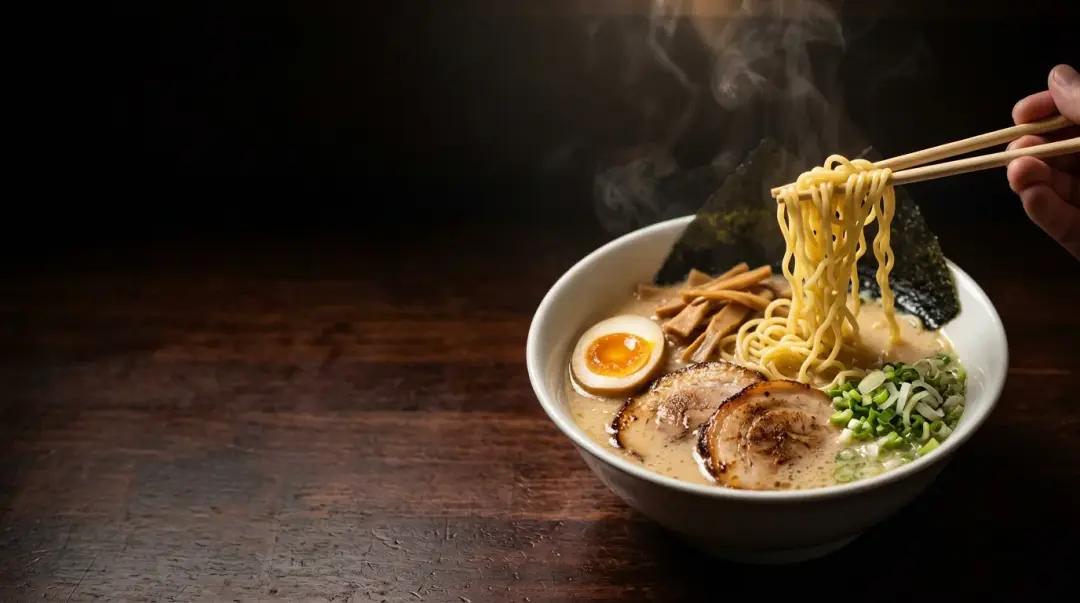
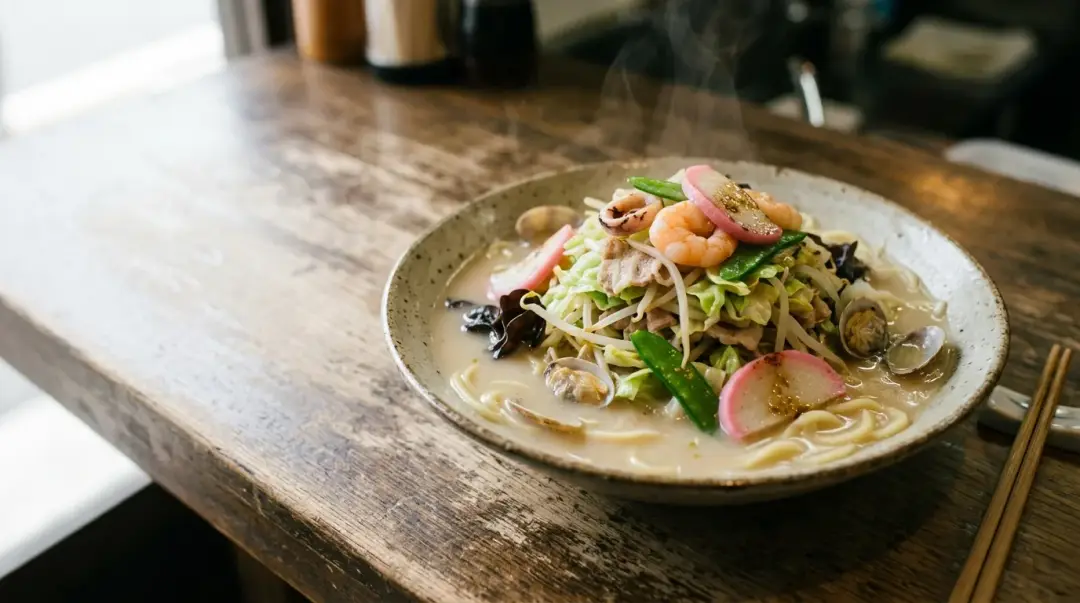
Champon is a Nagasaki regional noodle dish that occupies a unique cultural position — it's Japanese, but openly Chinese-influenced, and openly proud of that fusion. The dish features:
- Thick alkaline wheat noodles (chewier and bouncier than ramen)
- Milky-white broth built from pork bones, chicken bones, and seafood
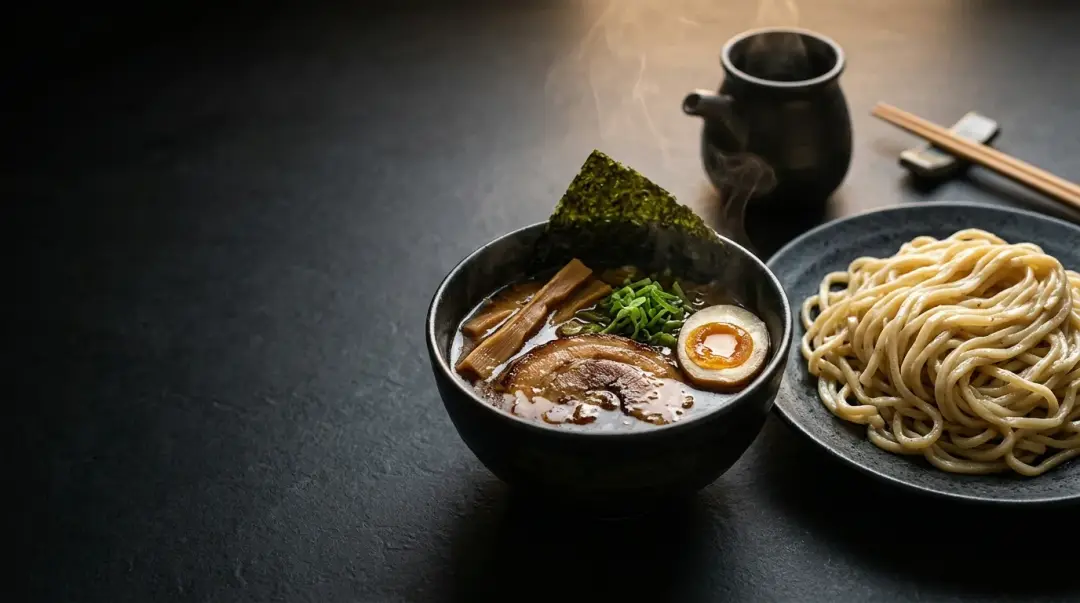
- A mountain of toppings — pork, shrimp, squid, fish cake, cabbage, bean sprouts, mushrooms, scallions, and sometimes 8-10 other ingredients in a single bowl
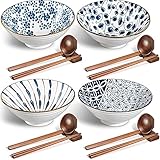
It's served in a wide, flat bowl, and the toppings often overflow visually — making champon photographable and Instagram-friendly. Where ramen is precisely composed, champon is generous and chaotic.
The 1899 Origin
Champon was invented in 1899 at Shikairo restaurant in Nagasaki by Chen Ping Shun, a Chinese immigrant cook who wanted to serve Chinese students cheap, filling, nutritious food. The dish was inspired by Chinese chow mein but adapted with available Japanese ingredients — particularly more seafood and milky broth.
The original Shikairo is still operating in Nagasaki today, 125+ years later. It remains the canonical destination for trying authentic champon.
Why It's Milky
The white color of champon broth comes from rapidly boiling pork bones at high heat — the same technique that creates tonkotsu's milky color. The proteins emulsify into the water. Where tonkotsu ramen broth is typically slow-simmered for cleaner taste, champon broth is fast-boiled for opacity and immediate richness.
Cultural Position
Champon is unique in Japan because it's embraced as Chinese-Japanese fusion rather than denied. Most Japanese dishes with Chinese origins (like ramen and gyoza) get presented as fully Japanese over time. Champon stays connected to its Chinese roots — Shikairo and other Nagasaki champon shops still hire from the Chinese-Japanese community and proudly note the lineage.
Nagasaki itself is unusual in Japan — historically Japan's only port open to foreign trade during the Edo period, it became a culinary mixing point. Champon is a culinary artifact of that openness.
Flavor Profile
Champon is richer than ramen broth (creamier from the fast-boiled pork), more vegetable-forward (the cabbage and bean sprouts cook in the broth), and seafood-deep (shrimp and squid season the broth). It's a bowl that feels like a complete meal in one container. The texture contrast — chewy noodles, soft vegetables, snappy seafood — makes every bite different. Its Korean-Chinese cousin, jjamppong, comes in instant packs; see our seafood ramen guide.
How Champon Differs from Standard Ramen
- Broth philosophy: Champon is fast-boiled-milky. Ramen broth is slow-simmered.
- Topping volume: Champon has 8-10 toppings. Ramen has 3-5.
- Noodle thickness: Champon noodles are typically thicker.
- Cultural framing: Champon is openly Chinese-Japanese. Ramen is presented as Japanese.
Where to Find Champon in the US
Rare. Most US Japanese restaurants don't serve champon — it's regionally specific and requires its own broth preparation. Best US bets:
- Sapporo Ramen (NYC) — occasional champon special
- Hide-Chan (NYC)
- Mitsuwa food courts (occasional)
- Nagasaki-themed Japanese restaurants (rare but exist in major cities)
If you're traveling to Japan and food is part of the trip, Nagasaki specifically for champon is a worthwhile detour.
Making Champon at Home
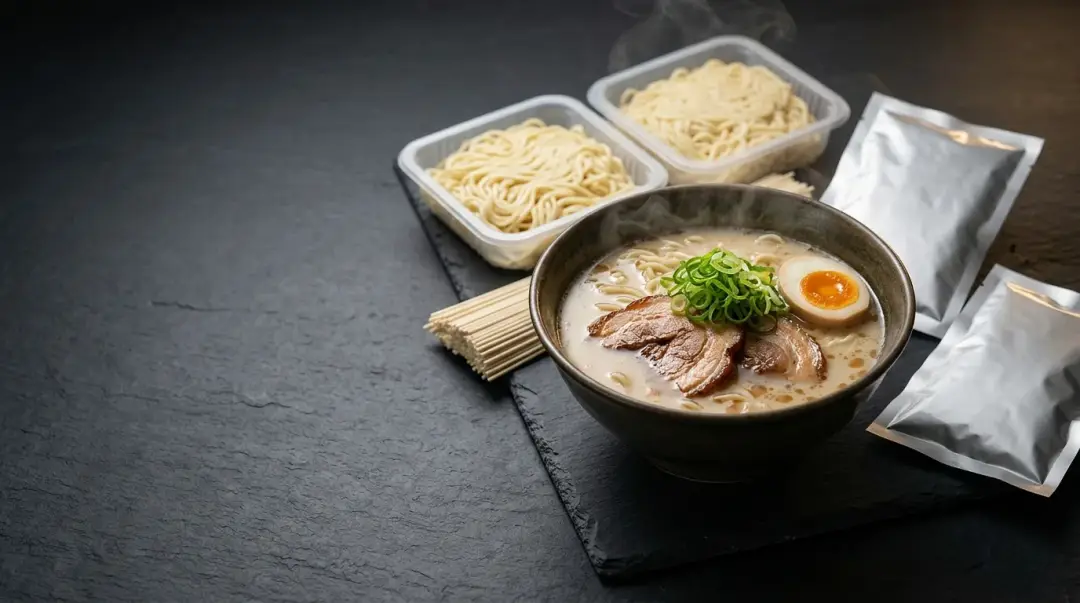
Champon is made in three parts. The noodles are thick and alkaline, and home cooks in the US substitute thick fresh ramen noodles such as Sun Noodle's thick variety, or thick udon. The broth is built from pork and chicken bones plus dried fish and is fast-boiled at high heat rather than gently simmered, which is what turns it milky. The toppings, including pork, shrimp, squid, kamaboko, cabbage, bean sprouts and mushrooms, are stir-fried in a wok first, then piled over the noodles and hot broth.
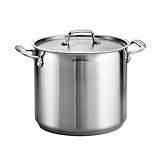
The work is in preparing the 8 or more toppings, not the broth or the noodles. A large stockpot holds the rolling broth, a wok handles the topping stir-fry, and a deep, wide bowl keeps the pile from spilling; for wok choices, see our Chinese wok buying guide.
See Best Ramen Noodles & Kits for noodle recommendations.
A Dish That Tells a Story
Champon is more than a noodle soup. It's evidence that Japanese cuisine has historically been more porous and willing to absorb foreign influence than its current image suggests. The Shikairo origin story — a Chinese immigrant cook feeding Chinese students in 1899 Nagasaki — is foundational Japanese culinary history. Anyone who eats Japanese food regularly should know champon, even if they rarely encounter it on US menus.
FAQ
What is champon?
Champon is a Nagasaki noodle soup of thick alkaline wheat noodles in a milky pork-and-seafood broth, topped with 8 to 10 ingredients such as pork, shrimp, squid, fish cake, cabbage and bean sprouts.
Who invented champon?
Chen Ping Shun, a Chinese immigrant cook, created champon in 1899 at Shikairo restaurant in Nagasaki. He wanted to serve Chinese students cheap, filling food.
Why is champon broth milky?
The broth turns white from rapidly boiling pork bones at high heat, which emulsifies the proteins into the water. Tonkotsu ramen is often simmered more slowly for a cleaner taste.
How is champon different from ramen?
Champon uses a fast-boiled milky broth, thicker noodles and 8 to 10 toppings, against 3 to 5 for ramen. It also stays openly tied to its Chinese roots.