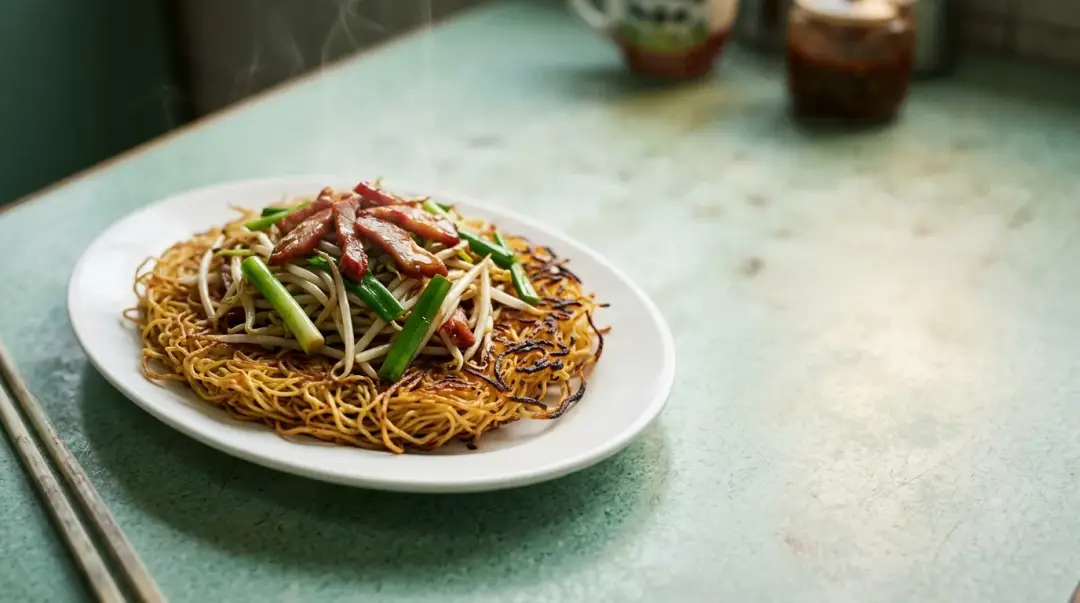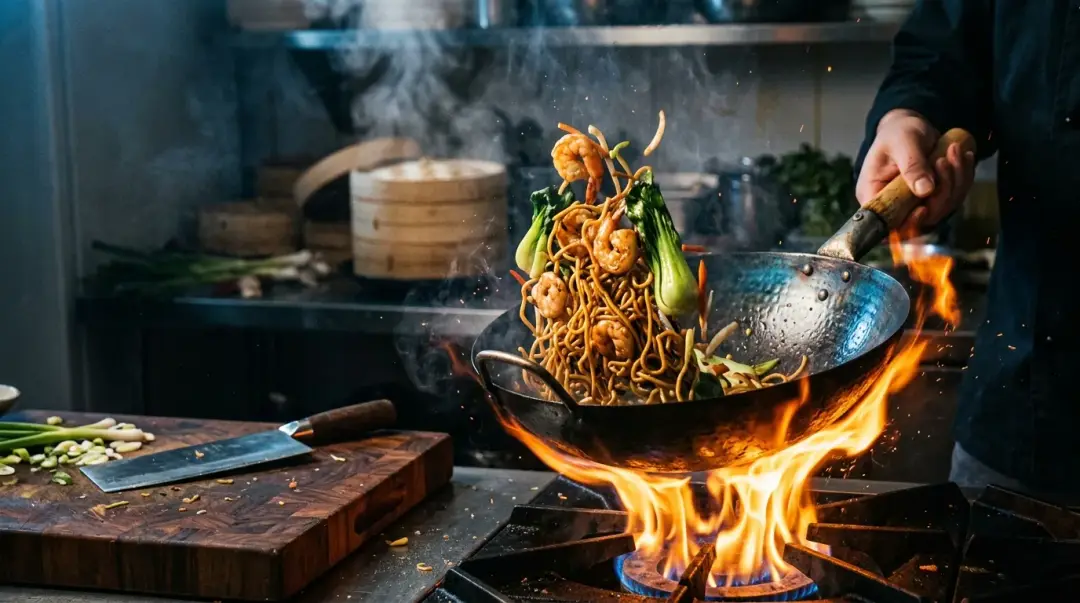


A carbon steel wok is a wok made of thin, magnetic steel (iron with a small amount of carbon) that heats fast, cools fast and builds a dark, slick patina with use. It is the pan behind stir-fried noodle dishes such as lo mein, chow mein and dan dan noodles, and it is the reason a good stir-fry has wok hei, the smoky, slightly charred flavor of food fired at very high heat. The choice that matters most is not the brand. It is whether the shape and size match your stove, which is why this page starts there.
How We Pick
- We compared carbon steel wok listings, the sizes and construction notes the sellers publish, and how established cookware writers sort the category. NoodleDex did not cook with these woks.
- We prioritized carbon steel between 12 and 14 inches, the sizes that fit home stove burners while keeping the high-walled bowl that makes a wok work.
- We kept the cons real. Gauge (steel thickness), handle construction and pre-seasoning shortcuts are called out where they matter.
The Top Pick: Joyce Chen 14-inch Carbon Steel Wok
Joyce Chen was a Cambridge, Massachusetts restaurateur and cookbook author. She opened her restaurant there in 1958, self-published The Joyce Chen Cookbook in 1962 and hosted the public television series Joyce Chen Cooks from the WGBH studios in the 1960s. The cookware line carrying her name is sold by many US retailers.
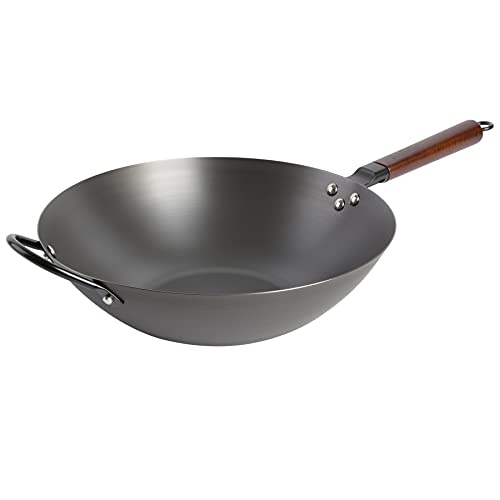
The pick is the Classic Series 14-inch wok. Retailer listings describe it as flat-bottomed carbon steel about 1.5 mm thick, with a birch handle and a helper handle, and say the flat base suits gas, electric and induction cooktops. The listings do not describe it as hand-hammered, and the steel is uncoated. The flat base is why it is the pick for most kitchens: it sits on the burner without a ring.
The surface is smooth bare steel, so you will need to season it before first use, and the seasoning section below covers how. Expect a patchy brown at first. With regular cooking the surface darkens and gets slicker, which is the patina doing its job. Retailer listings say to hand wash it and dry it promptly.
A 14-inch pan is large for a small burner, because the heat concentrates in the center. If your burner is small, go to the next pick.

Joyce Chen Classic Series 14-Inch Carbon Steel Wok with Birch…
A flat bottom sits on gas, electric and induction cooktops without a ring
Best for Beginners: Carbon Steel Wok, 12 to 13 Inch Set
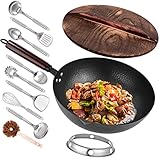
A 12 to 13 inch carbon steel wok sold as a set with a lid and a spatula is the lowest-friction way into wok cooking. The set pick on this page, the Leidawn 12.8-inch, is sold as an 11-piece set that retailers describe as including a wooden lid, a spatula, a ladle and a wok ring, so there is little else to buy to start. A carbon steel wok set usually means the wok plus a lid, a spatula and sometimes a ring or a brush; the wok is the part that decides the result, so judge a set by the pan first and the extras second.
A flat-bottom wok of this size sits on a standard burner, while a 14-inch wok can overhang a smaller burner and leave the rim cooler. Gauge, the thickness of the steel, varies between woks, and listings often do not state it. Thinner steel responds to flame quickly but loses heat faster when you add cold ingredients, so cook in smaller batches.
Some sets ship pre-seasoned and some do not, so check the listing and the care sheet. A factory finish is not a finished patina. Build the real layer by cooking with some fat in the first few sessions. A wok with a lid is useful for steaming and braising, but a lid is not needed for stir-frying itself.
Steel Wok Ring for Gas Stoves
Seats a round-bottom wok steadily over a gas burner
Carbon steel vs stainless vs nonstick woks
Three materials cover almost every wok sold for home use, and the differences are practical.
| Material | Heat response | Upkeep | Best for |
|---|---|---|---|
| Carbon steel | Heats and cools fast, handles very high heat | Needs seasoning, hand-drying and oil | High-heat stir-fry and wok hei |
| Stainless steel | Slower and less even on its own; food sticks without added fat or a clad core | Dishwasher-safe, no seasoning | Steaming, braising, low-maintenance cooks |
| Nonstick | Easy release at moderate heat | Coating wears; metal tools scratch it | Eggs, delicate food, low-effort weeknights |
Carbon steel wins on the one job a wok exists for, which is cooking food fast over very high heat. Stainless is easier to live with but does not build a nonstick surface. A nonstick wok is the easiest to start with, and the trade-off is that the coating limits how hot you can run it; makers of PTFE (polytetrafluoroethylene) coatings advise against preheating an empty pan on high heat, and Chemours, which makes Teflon, says a coating can begin to deteriorate if a pan is accidentally overheated past roughly 660°F.
Cast iron is a fourth option. It holds heat well, but it is far heavier than carbon steel and slow to react, so it is awkward for tossing food. See the first FAQ for the short version.
Which size and shape for your stove
Match the wok to the heat source before you look at brands. A wok that does not touch the heat evenly cooks unevenly, whatever it cost.
| Your stove | Wok shape | Size | Note |
|---|---|---|---|
| Gas range | Flat-bottom, or round-bottom on a ring | 12 to 14 inch | 14 inch needs a strong burner; a ring seats a round-bottom wok. |
| Electric coil | Flat-bottom | 12 to 13 inch | A round-bottom wok does not make contact with a flat coil. |
| Glass or ceramic top | Flat-bottom | 12 to 13 inch | Flat contact matters; check the cooktop maker's guidance before using a ring. |
| Induction | Flat-bottom, magnetic steel | 12 to 14 inch | Carbon steel is magnetic. A round-bottom wok needs a concave wok-shaped induction module. |
Home gas burners put out much less heat than the dedicated wok burners made for restaurants, which is why a smaller flat-bottom wok often suits a home range better than a 14-inch pan.
Flat-bottom or round-bottom? Most home cooks should buy flat-bottom. It sits on the burner without a ring and works across gas, electric and induction. Round-bottom is the traditional Cantonese shape and moves heat up the sides well, but it works properly only over a high-output gas wok burner or a gas range with a wok ring. A flat bottom carbon steel wok is the practical default.
Diameter. An oversized wok on an underpowered burner heats only in the center, the rim stays cool, and food steams instead of searing. If you cook for one or two people on an apartment stove, 12 to 13 inches is the better fit. A 14-inch wok makes sense when the burner is strong and you cook for more people.
Hand-hammered vs machine-made
A hand-hammered wok is formed from a sheet of steel and hammered into shape, leaving a dimpled surface. A machine-made wok is pressed or spun into shape, which gives a smoother, more uniform finish at a lower price.
Hand-hammered woks usually cost more and have a traditional look. Sellers often say the dimples help oil cling or keep food in place, but we found no controlled test showing a difference in cooking, so treat that as preference. Machine-made woks are smoother and more uniform. For a home cook, the difference in results between the two is small next to the difference made by choosing the right shape and size for your stove, and by seasoning and drying the pan properly.
Choose hand-hammered for the traditional pan and the lifetime-tool feel. Choose machine-made for price and consistency. For a flat stove, either one works as long as it is flat-bottom.
Seasoning and rust care
Carbon steel arrives bare or with a factory coating, and it rusts when it stays wet. Seasoning is a thin layer of heated oil that bonds to the steel and acts as a natural nonstick coat. It is also the rust protection.
In short: scrub off any factory coating once, heat the pan dry until the steel darkens or turns blue, then coat it with a thin layer of high smoke point oil such as vegetable, canola or sunflower and heat it again so the oil bonds. Repeat as the maker directs and cook fatty foods in the first few sessions to thicken the layer. After cooking, wash with hot water and a soft brush, dry the pan at once over low heat, and wipe on a thin film of oil before storing it somewhere dry. Our seasoning FAQ below adds more, and the Joyce Chen or Leidawn care sheet takes priority over any general advice.
Tools that go with a wok
The pan is the main purchase. A few tools make a wok easier to use, and two of them are on this page.
- A wok ring. A steel ring that seats a round-bottom wok over a gas burner. On an induction hob a ring lifts the pan away from the heat, and on any cooktop the maker's guidance comes first, so skip it if you bought flat-bottom.
- A wok spatula or ladle. Wood and bamboo are gentle on a young seasoning. A curved steel spatula (chuan) is the traditional tool for carbon steel once the patina is established.
- A lid. For steaming and braising. Not needed for stir-frying.
- A bamboo steamer. A two-tier 10-inch bamboo steamer sits inside a wok over a little simmering water, which turns the wok into a steamer for dumplings, buns and rice noodle rolls. Soak it before first use.
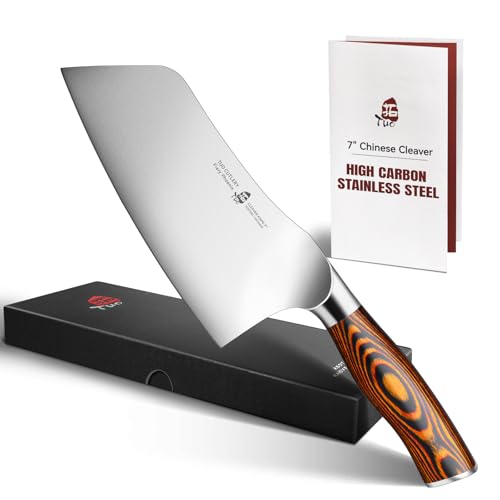
- A Chinese vegetable cleaver. The càidāo is a thin, light, wide-bladed knife for slicing vegetables and boneless meat, and the wide face scoops chopped aromatics from the board to the pan. Keep it off bones and hard squash; those jobs belong to a heavier bone cleaver.
What to Look For
- Carbon steel over cast iron over everything else. Carbon steel heats fast and weighs far less than cast iron, which is why it is the standard wok material. Cast iron holds heat better once hot but is slower to heat and too heavy to toss.
- Size and shape matched to the stove. See the size and shape section above. This is the first decision, not the last.
- A gauge you know. Many carbon steel woks sit between about 1.5 and 2 mm; the Joyce Chen and Made In woks list 1.5 mm and the Craft Wok hand-hammered pan lists 1.8 mm. Thinner steel responds faster but loses heat faster. Thicker steel is heavier and slower to react. Prefer a listing that states the gauge.
- A wooden or wrapped handle, not a bare metal weld. A wood or bamboo grip stays usable through a short sear, and a welded steel handle needs a towel sooner.
Common Mistakes
- Buying a nonstick wok for high-heat cooking. The coating limits the heat. Carbon steel is the better material for a real stir-fry.
- Choosing 14 inches for an underpowered stove. The wok tends to heat only in the middle and the food steams. Match the diameter to the heat source.
- Skipping the initial seasoning. New carbon steel can rust quickly without a protective oil layer, and food will stick on every cook.
- Letting it air-dry. Moisture on carbon steel rusts it. Dry the pan right after washing.
- Storing it damp or lidded. Trapped moisture can rust carbon steel quickly. Store it dry, lid off, with a thin wipe of oil in humid climates.
FAQ
Carbon steel or cast iron — which one should I actually buy?
Carbon steel for nearly every home cook. Cast iron holds heat better once it is hot, but it is much heavier, heats more slowly and responds slowly to changes, which makes it awkward to toss. Cook's Illustrated's wok testing found the same trade-off, and carbon steel is the standard material for wok cooking.
Does a carbon steel wok rust?
Yes, if it stays wet or has no seasoning. Carbon steel is bare iron-rich steel, and moisture rusts it. A seasoned wok that is washed, dried right away and wiped with a thin film of oil resists rust well. Light surface rust is fixable: scrub it off, dry the pan and season it again.
Can you use metal utensils on a carbon steel wok?
Yes, once the seasoning is established. Steel wok spatulas are a traditional tool for carbon steel. On a new pan, wood or bamboo is gentler while the patina builds, and in any case avoid scraping hard at one spot. Scratched seasoning rebuilds with cooking and a little oil.
Is a carbon steel wok better than nonstick?
For high-heat stir-fry, yes. Carbon steel handles far higher heat than a nonstick coating, can last for years with care and can be re-seasoned. Nonstick is easier for eggs and low-effort cooking, but the coating wears and limits how hot you can run the pan.
Can I use a wok on an induction cooktop?
Yes, if it is a flat-bottom wok made of magnetic steel, which carbon steel is. Round-bottom woks do not make enough contact with a flat induction surface, and they need a concave wok-shaped induction module. Check the listing for the words "induction compatible" before you buy.
Do I really need a wok, or can I use a large skillet?
A skillet works for sautéing but struggles with stir-frying. The high sides of a wok let you toss ingredients without spilling them, and the curved bowl creates a heat gradient from searing at the bottom to cooler on the sides, so you can push cooked food aside while the next batch sears. A flat skillet has nowhere to put the finished food.
How long does the seasoning process actually take?
The first stove-top seasoning is a single session, and the maker's care sheet gives the timing for your pan. Building a deep, slick patina takes repeated cooking over time. Cook fatty foods in the early sessions to thicken the layer faster, and expect the color to move from patchy brown to black with use.
Where can I buy a real wok in person?
Asian supermarkets and cookware or restaurant-supply shops in Chinatowns are the usual places to look for hand-hammered carbon steel woks. Stock varies by store, so call ahead for the size and shape you want, and compare the handle and weight in hand. Our top picks are also sold online.
What about the carbon-steel woks from Made In or Smithey?
Both sell a carbon steel wok at a higher price point than the woks on this page. Made In sells a seasoned 13-inch wok that it lists at 1.5 mm, and Smithey says its wok is hand-forged in Charleston, South Carolina. Both brands advertise lifetime warranties, and you pay for the brand and that cover. A Joyce Chen or a similar traditional wok does the same basic job, and the savings can go toward a bamboo steamer and a càidāo.
Read Next
- Lo Mein Type Guide — the most common wok-cooked Chinese noodle dish
- Lo Mein vs Chow Mein — what changes in the wok between the two
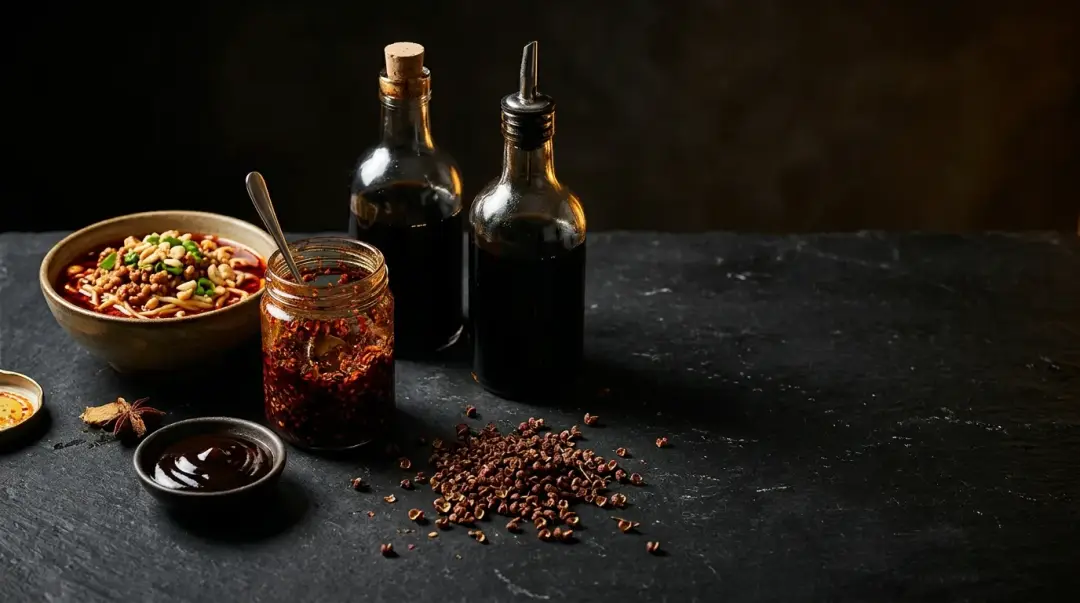
- Best Chinese Pantry Essentials — the sauces and aromatics that go in the wok
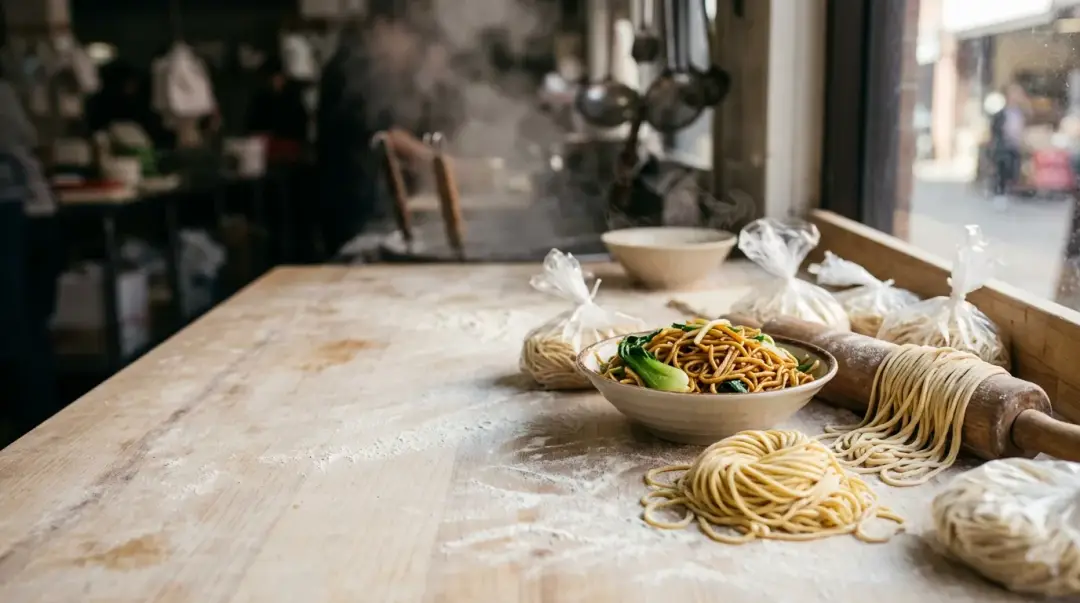
- Best Chinese Wheat Noodles — the noodles to stir-fry once the wok is seasoned
- Best Japanese Cookware — other pots and pans for noodle cooking
- Best Hot Pot Sets — the other pot for Chinese-style meals at the table
- Best Soy Sauce for Noodles — light and dark soy for the wok
- Best Rice Cookers — the steamed rice to serve alongside