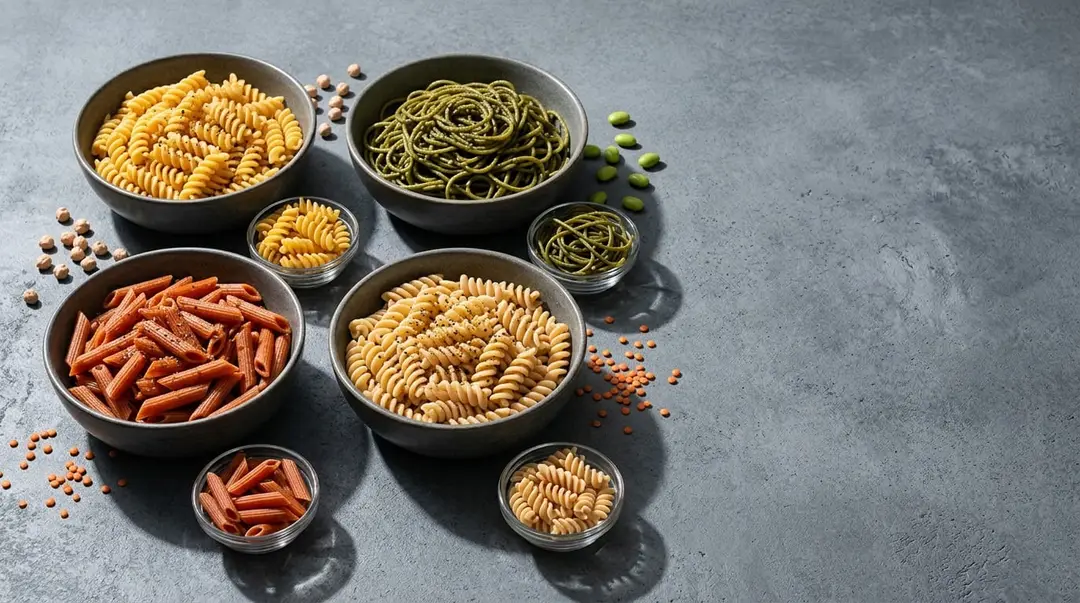
High-protein noodles are pasta and noodle alternatives that deliver at least 10 g of protein per labeled serving — the FDA threshold for a high protein claim. The category is mostly legume-based: chickpea, edamame, black bean, lentil, and lupin flours, extruded into traditional pasta shapes. A 2-oz dry serving of Banza chickpea penne lists 20 g of protein against 7 g for standard semolina. For macro-trackers, GLP-1 users, older adults preserving muscle, and post-bariatric eaters, the difference is meal-changing.
What "high protein" actually means for noodles
The FDA defines high protein (and the synonym high in) as a nutrient content claim requiring at least 20% of the Daily Value per Reference Amount Customarily Consumed. The Daily Value for protein on US Nutrition Facts labels is 50 g, set by the FDA's 2016 label-modernization rule. Twenty percent of 50 g is 10 g of protein per serving — the actual bar a noodle has to clear to call itself high-protein on the box. Anything between 5 g and 9.99 g per serving can only claim good source of protein (10-19% DV). Anything under 5 g cannot make a protein claim at all.
Source: FDA Food Labeling Guide, Chapter 6 (Claims) and FDA Daily Values reference.
That threshold matters because most pasta sits below it. Standard wheat semolina runs 7 g of protein per 2-oz dry serving, per USDA FoodData Central. Cooked rice noodles are closer to 2 g per cup. Instant ramen blocks land at 5-8 g per packet, mostly from the wheat — not enough to claim high-protein, and the seasoning packet's sodium typically swamps the macro story anyway.
The reference frame for "enough protein" matters too. The USDA Recommended Dietary Allowance (RDA) for protein is 0.8 g per kilogram of body weight per day — about 50 g for a 140-lb adult, 65 g for a 180-lb adult. The Academy of Nutrition and Dietetics, the American College of Sports Medicine, and the NIH Office of Dietary Supplements all note that active adults, older adults preserving muscle against sarcopenia (age-related muscle loss), and patients on GLP-1 weight-loss medications often target 1.2-2.0 g/kg/day — roughly double the baseline RDA. A single bowl of chickpea or edamame pasta delivers a meaningful share of either target. Standard wheat pasta does not.
The shortlist — six paths that clear the 10g bar
The high-protein noodle aisle is dominated by legume-based pastas, with one wheat-blend exception. Here's how the categories compare per 2-oz dry serving:
| Type | Protein (per 2 oz dry) | What it's made of | Texture trade-off |
|---|---|---|---|
| Edamame spaghetti | ~24 g | Single-ingredient edamame flour | Vegetal flavor, slightly soft cook |
| Black bean spaghetti | ~25 g | Single-ingredient black bean flour | Strong bean flavor, dark color bleeds into sauce |
| Chickpea pasta | ~14-20 g | Chickpea flour, sometimes blended with lentil/rice | Earthy, denser bite than wheat; bronze-die helps |
| Lentil pasta | ~13-21 g | Red or green lentil flour | Slightly softer cook, faintly sweet legume flavor |
| Lupin pasta | ~21 g | Lupin bean flour (often blended with wheat) | Nutty, low-carb bonus; can dry out if overcooked |
| Soba (100% buckwheat) | ~8 g (per dry bundle) | Pure buckwheat flour | Below FDA threshold but high-protein vs other Asian noodles |
| Barilla Protein+ | 10 g | Wheat semolina + lentil, chickpea, pea protein | Closest to regular pasta texture; just clears the bar |
Three rules apply across the category. Single-ingredient legume pastas score highest — edamame and black bean lead because there's no wheat or rice flour diluting the protein density. Wheat-blend "protein pastas" sit at the floor of the high-protein definition (Barilla Protein+ at exactly 10 g) and trade nutrition density for familiar texture. Soba is the Asian-noodle outlier — 100% buckwheat bundles run 7-8 g protein per dry portion, below the FDA threshold but well above rice or wheat noodles of the same size.
Brand picks
This section contains affiliate links. We may earn a commission at no extra cost to you.
Banza Chickpea Penne — the category benchmark
20 g protein and 5 g fiber per 2-oz dry serving. Banza launched in 2014 out of Detroit and effectively built the US high-protein-pasta aisle. The texture is earthy and dense — slightly grainier than wheat semolina, but the bronze-die extrusion grips marinara, vodka sauce, and oil-based dressings the way an Italian dry pasta does. Sold at Whole Foods and Costco. The daily driver for most macro-trackers.
Cook it short. Chickpea pasta has a narrower al dente window than wheat — pull at 7 minutes, taste at 8, drain at 9 at the outside. A pot with a strainer insert makes that timing easier, because you lift the pasta out instead of tipping a full pot into a colander. A 10-second cold rinse before saucing keeps the surface starch from clumping the penne in the bowl. Reserve a half cup of the cooking water; even after the rinse, that residual starch is the emulsifier that brings an oil-and-garlic sauce together.
View on AmazonDe Cecco Spaghetti No. 12 Protein Boost — the wheat-texture option
Durum wheat semolina blended with lentil, broad bean and pea flours, so it eats like spaghetti rather than legume pasta. The Amazon listing is a 14 oz box and calls it a good source of protein and fiber. It does not give a gram count in the listing we used, so read the Nutrition Facts panel before comparing it with the 10 g Barilla bar below. It is a wheat blend, so it is not gluten-free.
View on AmazonExplore Cuisine Edamame Spaghetti — the protein ceiling
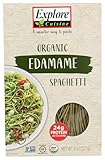
24 g protein per 2-oz dry serving — the highest-protein dry pasta on US shelves. Single ingredient: organic edamame flour. The bowl reads green-brown, the flavor is mildly vegetal and slightly sweet, and the cook time is short (5-6 minutes) because there's no semolina to bring up to al dente. Best with assertive sauces — peanut, sesame-ginger, miso butter — that work with the edamame flavor rather than fighting it. Italian-American red sauce works; cacio e pepe does not. Sold in stores and widely on Amazon US.
The same brand sells Black Bean Spaghetti at 25 g protein per serving — one gram higher than the edamame line and the outright protein leader. The flavor is stronger and the noodle bleeds dark color into pale sauces (a problem for alfredo, a non-issue for chili-garlic). Pick edamame for general use, black bean when the dish is already dark.
View on AmazonModern Table Red Lentil Rotini — the beginner-friendly pick
14 g protein per serving from a lentil-rice-and-pea-protein blend. Lower protein than the chickpea or edamame leaders, but the texture is the closest to standard wheat rotini of any legume pasta — softer cook, no bean flavor to manage, no grainy bite. Target's exclusive line. The right pick for households where one eater wants protein density and another wants pasta that tastes like pasta.
View on AmazonBarilla Protein+ Penne — the wheat-blend gateway
10 g protein per serving — exactly at the FDA high-protein threshold. Barilla blends lentil flour, chickpea flour, and pea protein isolate into a wheat-semolina base, so the cooked penne reads as actual pasta rather than legume pasta. The trade-off: fiber drops to 4 g per serving (versus Banza's 5 g), and the noodle contains gluten, so it doesn't serve the gluten-free crowd. Sold at Kroger and Safeway. Worth knowing about for the eater who finds chickpea or edamame too far from familiar.
View on AmazonWhat to avoid + why
A few categories market as high-protein but don't earn the shelf space:
- "Protein-fortified" wheat pastas with +1-2 g over standard semolina. A line that brags about more protein but lists 8 g per serving is doing marketing math, not nutrition math — it doesn't clear the FDA 10 g threshold and won't move a macro target. Check the panel before paying the premium.
- Wheat-blend chickpea pastas where wheat is the first ingredient. Some store-brand "chickpea" lines list wheat semolina first and chickpea flour fourth or fifth. Protein lands around 9 g — below the high-protein bar — and the gluten-free benefit is gone too. Read the ingredient list, not the front of the box.
- Pea-protein-isolate pastas with chalk aftertaste. A handful of newer DTC brands lean hard on isolated pea protein to push the protein number above 25 g per serving. The texture often goes chalky or rubbery, and the aftertaste reads as protein-shake, not pasta. Try one box before committing to a case pack.
- Lupin pasta lines that are mostly wheat. Lupini Foods and a few others sell pure lupin pasta at ~21 g protein and ~5 g net carbs — a genuinely useful product. But shelf lookalikes that blend lupin with wheat flour drop the protein to 12-14 g and add back the carbs. The bin can read "lupin" while the box is wheat-first.
- Bean-thread (cellophane) noodles marketed as high-protein. Mung-bean glass noodles list "bean" on the package, but the noodles are made from mung-bean starch, not mung-bean protein. Protein per serving is 0-1 g. They have other strengths (gluten-free, fat-free, transparent cooked); macro density is not one of them.
FAQ
What's the highest-protein noodle on US shelves?
Single-ingredient edamame spaghetti and black bean spaghetti — both around 24-25 g of protein per 2-oz dry serving. Explore Cuisine's edamame line is the most widely stocked. Chickpea pastas come in second at 14-20 g, depending on the blend.
Is a "high protein" claim regulated, or can any brand say it?
It's regulated. The FDA reserves high protein for foods delivering at least 20% of the Daily Value per serving — and the DV for protein is 50 g, so the threshold is 10 g per serving. Brands at 5-9 g can say good source of protein. Brands under 5 g cannot make a protein claim on the package.
Do high-protein noodles count as a complete protein?
Most legume pastas are limited in methionine (an essential amino acid found in grains and animal protein), so they aren't complete proteins on their own. Pair with a grain (rice, bread, even a wheat-blend pasta), a dairy topping (Parmesan, ricotta), or an animal protein (chicken, shrimp, ground beef) and the amino-acid profile completes in the same meal. The FDA also uses PDCAAS (Protein Digestibility Corrected Amino Acid Score) to adjust label claims, so brands already account for digestibility differences in the gram count.
Are high-protein noodles also low-carb?
Not usually. Banza chickpea penne lands at 32 g net carbs per serving — lower than wheat semolina's 38 g, but nowhere near keto-compliant. The exception is lupin pasta, which runs around 5 g net carbs and 21 g protein. For strict low-carb eating, see shirataki and the lowest-carb noodle picks.
Can older adults get enough protein from pasta?
A 2-oz dry serving of chickpea or edamame pasta delivers 20-24 g of protein — roughly a third of the 1.2-2.0 g/kg/day target many geriatricians use for sarcopenia prevention. It's not a replacement for animal protein at every meal, but it makes pasta night a meaningful protein meal instead of a near-zero one.