What Makes Japanese Noodle Culture Distinct?
Japan has one of the most technically refined noodle traditions in the world. Where Vietnamese cooking trusts the diner to balance flavors and Korean cooking layers bold-and-spicy components, Japanese noodle cooking is built on precision: alkaline-treated wheat for ramen springiness, exact dashi ratios for udon broth, hand-cut buckwheat for soba. The chef is the final arbiter; the diner eats what arrives.
This precision is why Japanese noodles have spread globally — they're systematized enough that they reproduce well outside Japan. Ramen shops overseas can hit 90% of Tokyo quality. Vietnamese phở shops overseas can hit maybe 70% of Hanoi quality. The difference is technique, not ingredients.
This is the complete guide to Japan's eight core noodle traditions.
The Eight Core Japanese Noodles
Each Japanese noodle below has its own deep-dive page. Click through for history, regional context, flavor profile, where to buy, and brand recommendations.
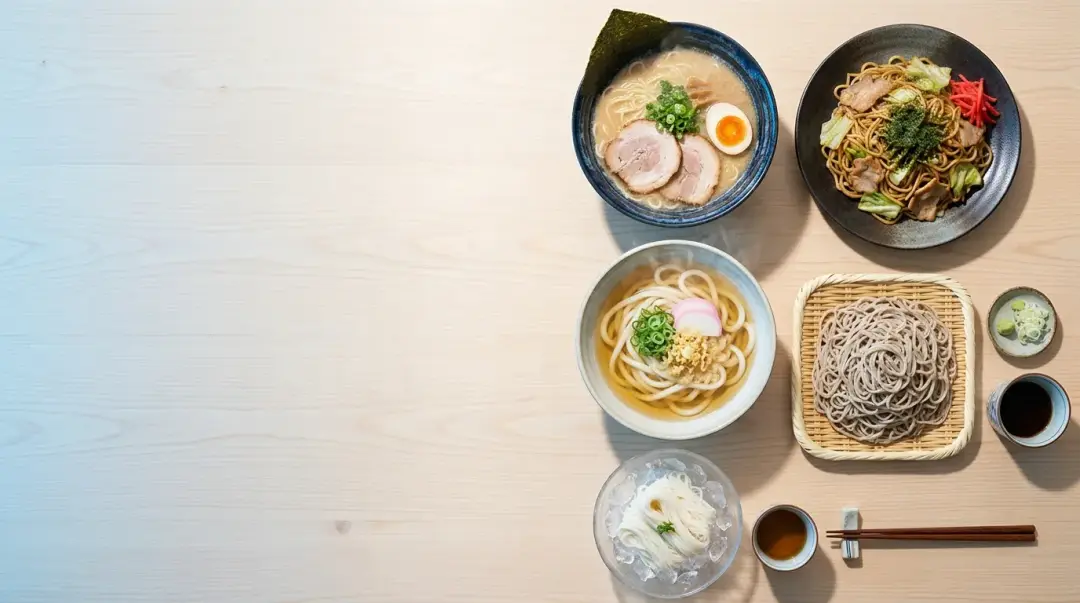
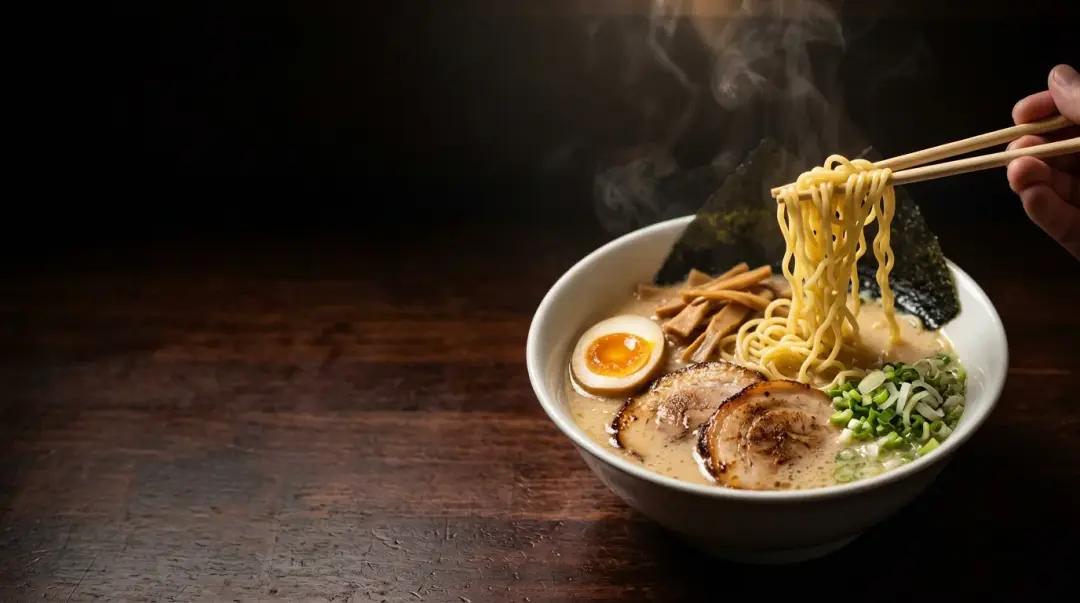
- Ramen (ラーメン) — Alkaline wheat noodles in deeply layered broth. Japan's most-exported noodle.
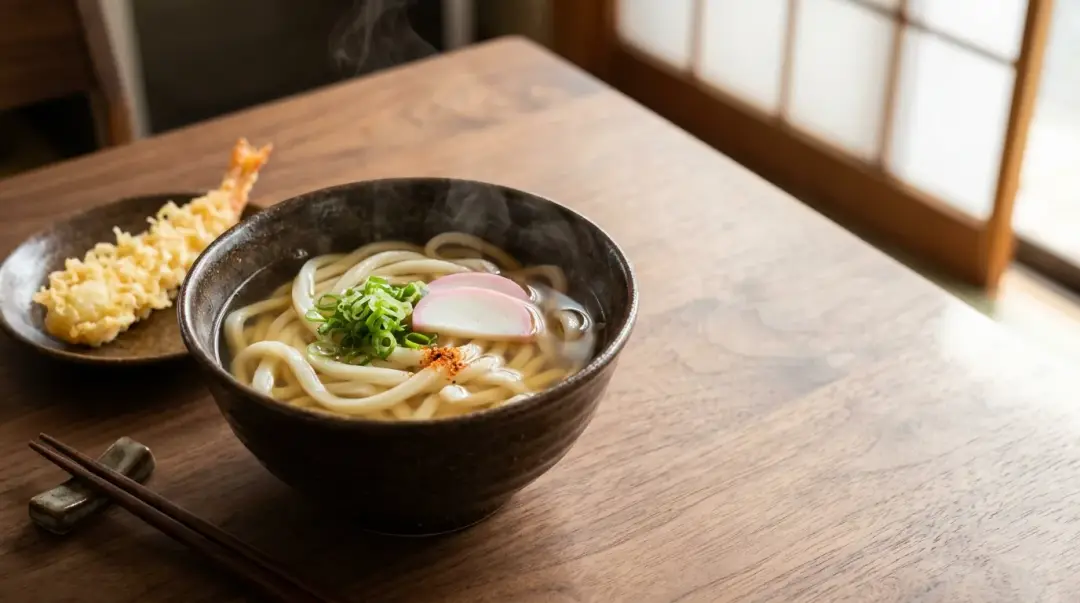
- Udon (うどん) — Thick, chewy white wheat noodles in dashi-based broth.
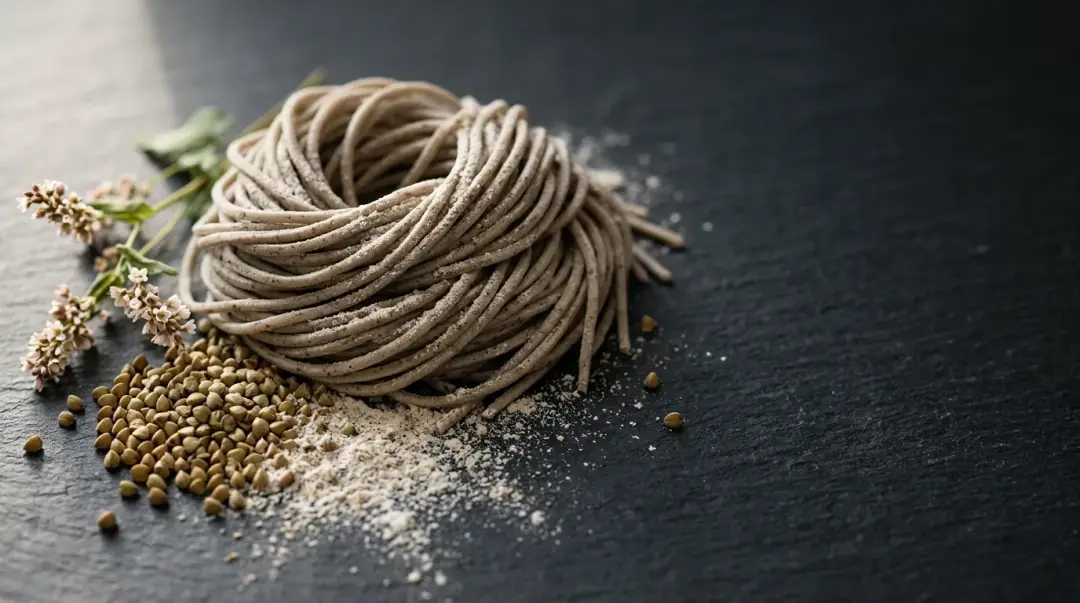
- Soba (そば) — Buckwheat noodles, eaten hot or cold. Japan's oldest noodle tradition.
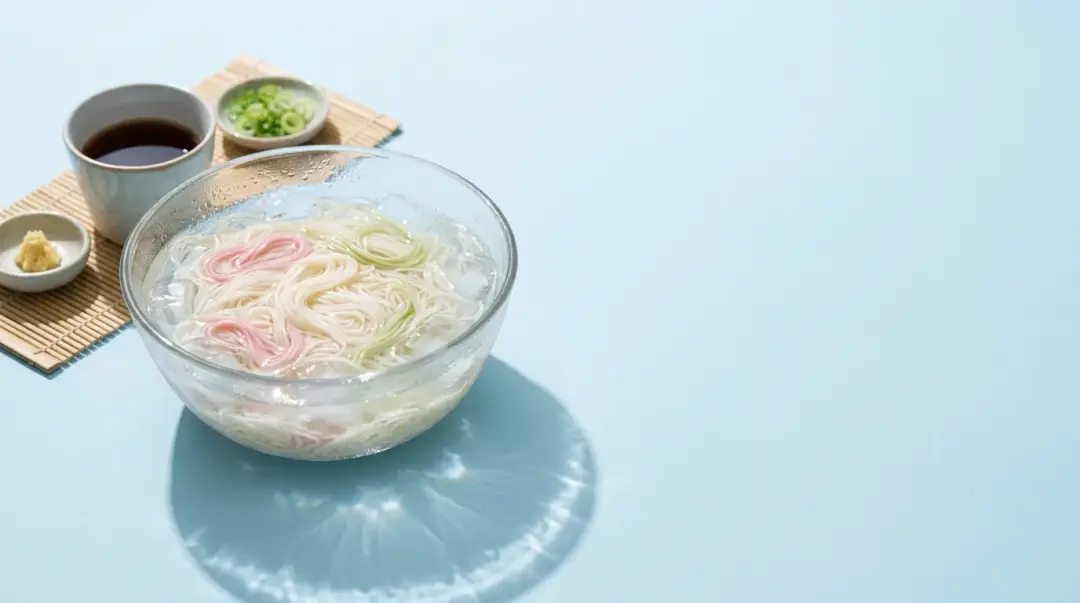
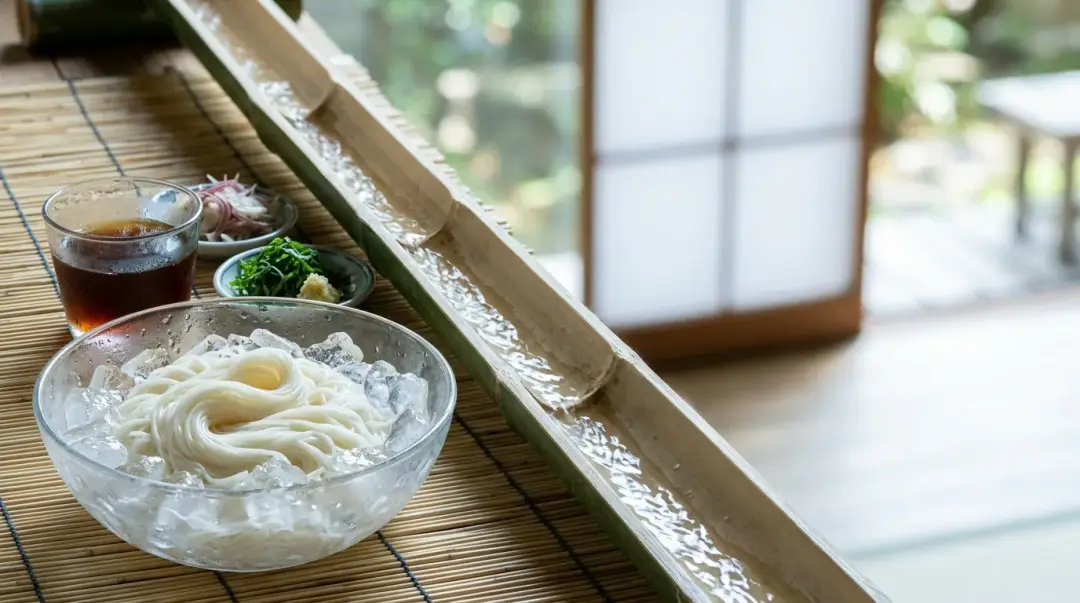
- Sōmen (そうめん) — Thin white wheat noodles, traditionally summer-only.
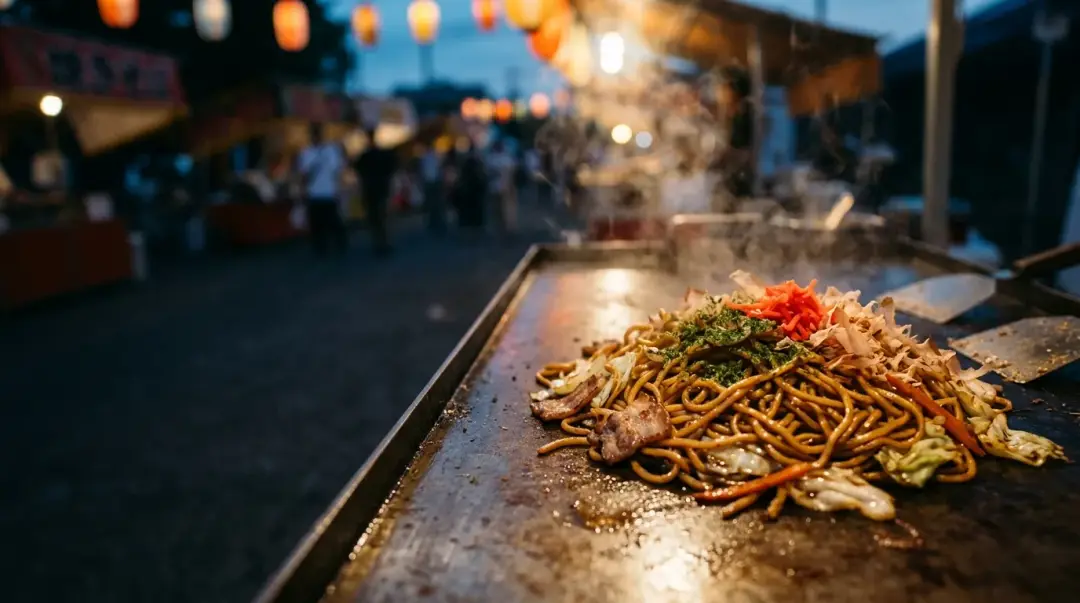
- Yakisoba (焼きそば) — Stir-fried wheat noodles with Worcestershire-based sauce. Despite the name, made from ramen-style wheat, not buckwheat.
- Hiyamugi (冷麦) — Cold wheat noodles, slightly thicker than sōmen.
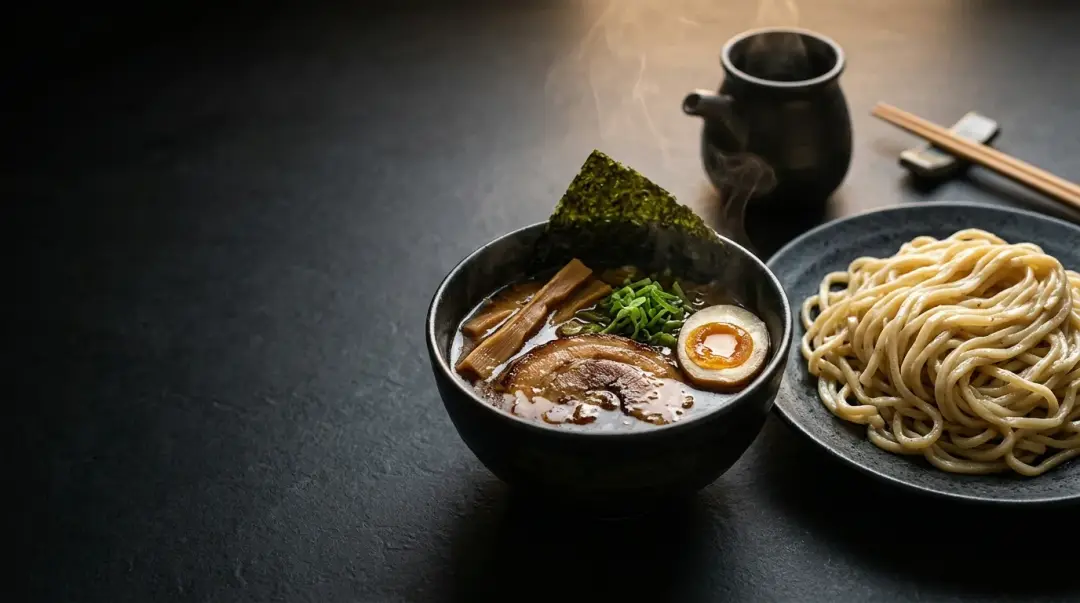
- Tsukemen (つけ麺) — Ramen variant where thick concentrated broth is served separately for dipping.
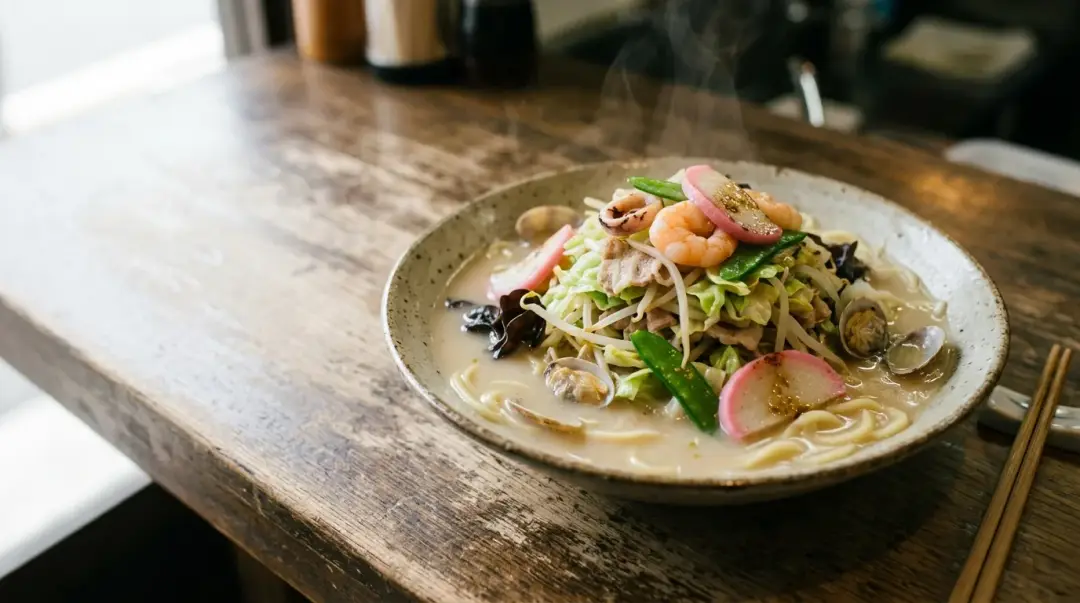
- Champon (ちゃんぽん) — Nagasaki specialty — Chinese-influenced noodles in milky pork-and-seafood broth.
Regional Identity in Japanese Noodles
Each Japanese region has a defining noodle dish:
- Tokyo — Shoyu ramen, cold zaru soba
- Hokkaido (Sapporo) — Miso ramen
- Fukuoka (Hakata) — Tonkotsu ramen
- Kagawa (Sanuki) — Sanuki udon (the udon standard)
- Akita — Inaniwa udon (the elegant counterpart)
- Nagasaki — Champon
- Nagano — Soba (Japan's soba heartland)
This is why Japanese restaurants outside Japan often advertise by region — "Hakata ramen," "Sanuki udon," etc. — to signal authenticity.
How Japanese Noodles Differ from Chinese and Korean
Japanese noodle cuisine inherited from Chinese cooking (ramen descends from Chinese lamian, brought via the Yokohama Chinatown in the late 1800s) but refined it dramatically:
- Alkaline treatment is more systematic in Japan — the kansui used in ramen creates the distinctive yellow color and springy bite.
- Dashi (bonito + kelp stock) is the universal Japanese broth foundation. Korean uses anchovy stock; Chinese uses pork stock.
- Slurping is mandatory. Japanese noodle culture celebrates the audible slurp; Korean and Chinese cultures don't.
- Cold noodle tradition is moderate. Japan has zaru soba and hiyashi chuka. Korea has many more cold variants (naengmyeon, bibim guksu, kongguksu).
Read more in Japanese vs Korean vs Chinese Noodles.
Where to Buy Japanese Noodles
Japanese groceries are well-distributed in major cities — Mitsuwa (CA, NJ, TX), Marukai (CA), and Japan Centre (online) carry the deepest selection. H Mart and 99 Ranch stock the basics. Amazon ships every major brand.
For home cooks, three brands cover most needs:
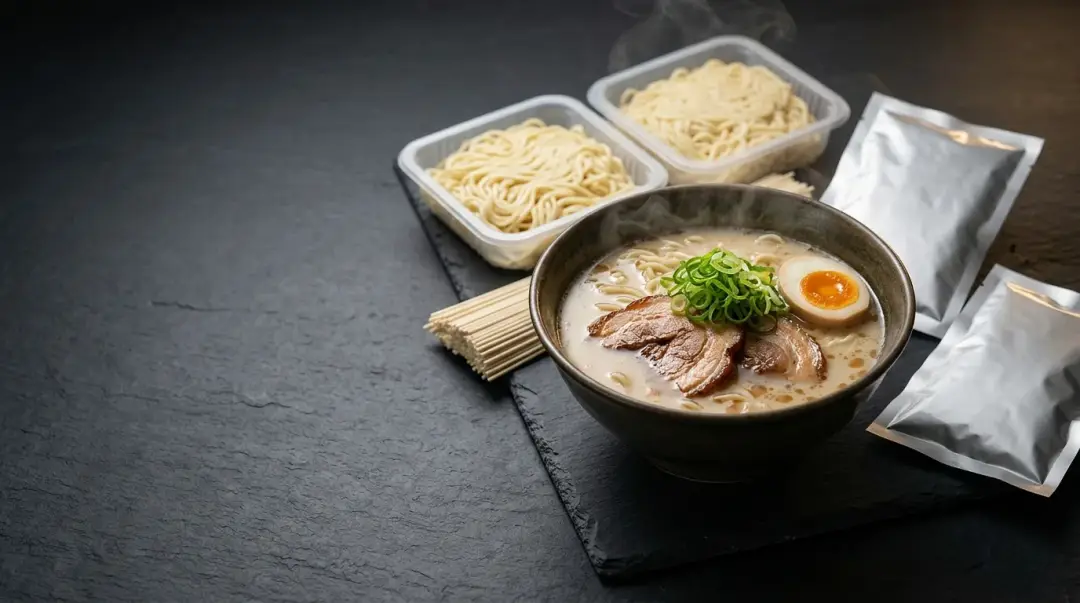
- Sun Noodle — fresh ramen noodles, the ramen-shop standard
- Hakubaku — premium dry noodles (soba, udon, sōmen)
- Maruchan Seimen — premium instant ramen (different from the cheap Maruchan)
Buying guides:
- Best Ramen Noodles & Kits
- Best Japanese Pantry Essentials
- Best Udon Brands
- Best Soba Brands
- Best Japanese Donabe & Cookware
FAQ
What are the main types of Japanese noodles?
Eight core types: ramen, udon, soba, sōmen, yakisoba, hiyamugi, tsukemen and champon. Ramen, udon and soba are the best known.
What is soba made of?
Soba is a buckwheat noodle, eaten hot or cold, and counts as Japan's oldest noodle tradition. Nagano is its heartland. Yakisoba, despite the name, uses ramen-style wheat noodles.
What is the difference between ramen and udon?
Ramen uses alkaline-treated wheat noodles in a layered broth. Udon is thick, chewy white wheat noodles in a dashi-based broth, with Kagawa's Sanuki udon as the standard.
What is dashi?
Dashi is the universal Japanese broth foundation, a stock of bonito and kelp. Korean cooking uses anchovy stock, and Chinese cooking uses pork stock.
Where can you buy Japanese noodles outside Japan?
Mitsuwa, Marukai and Japan Centre carry the deepest selection, and H Mart and 99 Ranch stock the basics. Sun Noodle is a leading supplier of fresh ramen noodles to ramen shops.
What you need
Japanese noodle dishes share a small set of tools: a deep bowl, wooden chopsticks and a pot that goes from stove to table.
Geiserailie ceramic ramen bowl set. A proper wide bowl suits every Japanese noodle soup, from ramen to udon. This listing is four deep 8-inch ceramic bowls of 40 ounces each, with matching chopsticks, spoons and chopstick rests. View on Amazon
Japanese wooden chopsticks, non-slip tip. Wood grips slick noodles better than smooth metal or plastic. This is a five-pair set of reusable 9-inch chopsticks with non-slip tips, listed as made in Japan. View on Amazon
Kotobuki donabe. A donabe (Japanese earthenware pot) covers hot pot and one-pot noodle dishes at the table. The listing describes a Japanese-style donabe with a brown and green finish, designed for hot pot and simmered dishes. View on Amazon
For more pots, see our donabe buying guide.