

How We Chose
Korean noodle cookware splits into three categories:
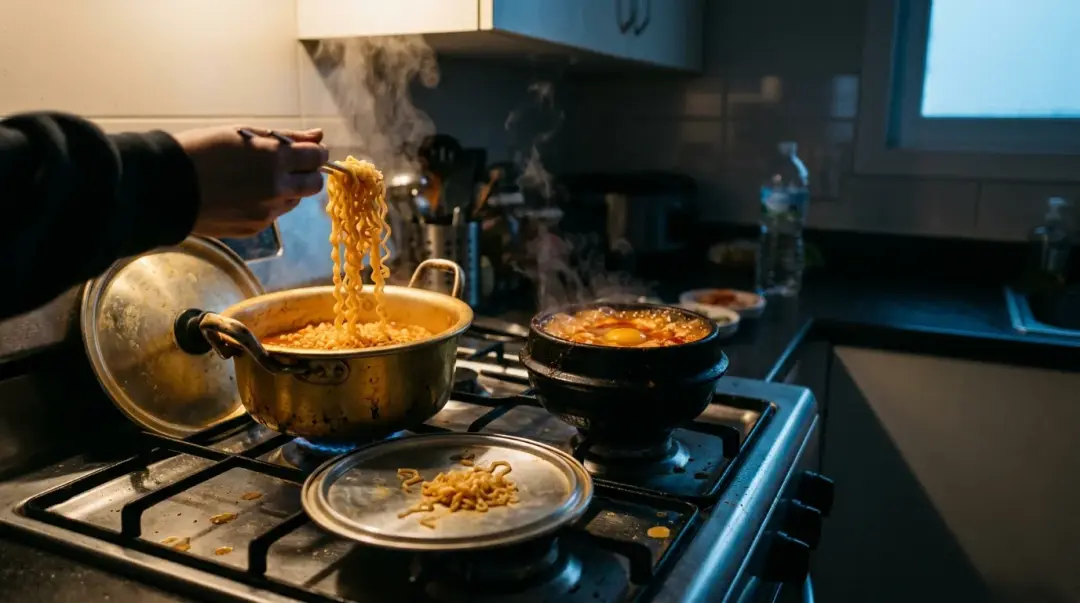
- The yellow aluminum ramyeon pot (called yangeun naembi) — single-serving, iconic, what every Korean uses for instant noodles
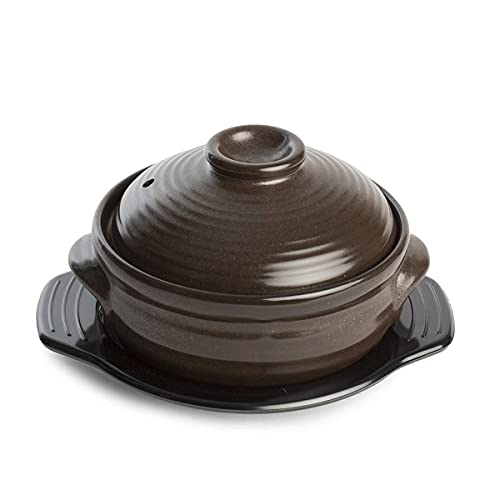
- Stoneware ddukbaegi — for sundubu jjigae and sundubu guksu, where bubbling-hot serving matters
- Standard stainless pots — for kalguksu and other dishes needing more capacity
We picked the best US Amazon option in each category, plus a budget 2-pack for households cooking ramyeon for two regularly.
Why the Yellow Aluminum Ramyeon Pot Is Iconic
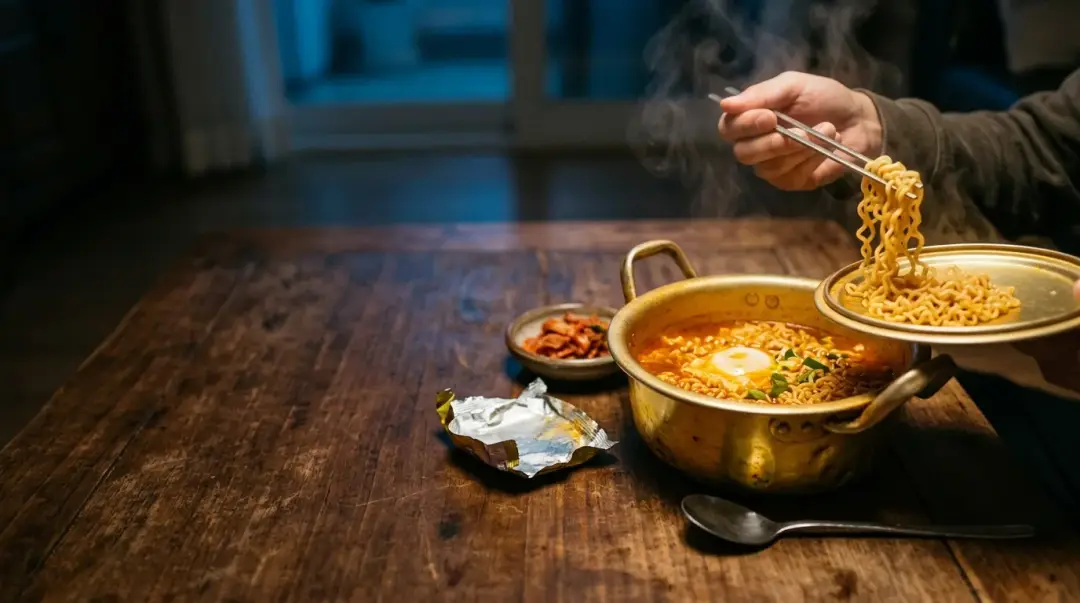
The bright-yellow aluminum pot (양은냄비, yangeun naembi) appears in every K-drama, every Korean Instagram noodle post, and every Korean apartment. There are reasons:
- Heat conductivity. Thin aluminum heats faster than steel, so the water comes to a boil quickly.
- The shape encourages slurping. The flared rim and shallow depth let you eat directly from the pot, the way Koreans actually eat ramyeon — no separate bowl needed.
- Cultural shorthand. Owning a yellow ramyeon pot signals "I make Korean instant noodles seriously." It's a small badge.
The aluminum is uncoated, which is the source of some controversy — heavy daily use can develop slight surface wear. But Koreans have cooked ramyeon in these pots for 60+ years without issue. Just rinse, don't scour.

Korean Traditional Yellow Aluminum Ramyeon Pot
The iconic yellow pot every K-drama features
When to Use a Ddukbaegi Instead
The ddukbaegi (뚝배기, "stoneware pot") is for:
- Sundubu jjigae — the soft tofu stew that the dish requires
- Sundubu guksu — the noodle version
- Other Korean stews (kimchi jjigae, doenjang jjigae)
The ddukbaegi retains heat for 15+ minutes after coming off the stove — diners can keep eating slowly without the broth cooling. It's designed for stovetop-to-table service. Don't use it for ramyeon (overkill) or kalguksu (too small). With no stove at all, a microwave or small electric cooker handles single-serve ramen; see our best ramen cookers guide.
Common Korean Noodle Pot Mistakes
- Using a Western nonstick pan for ramyeon. Aluminum is faster; nonstick coatings can degrade at the high heat ramyeon needs.
- Buying a ddukbaegi but not seasoning it. Stoneware needs a few rounds of light oiling to prevent absorption issues.
- Skipping a lid. Korean ramyeon cooks with a lid for the first 2 minutes — speed and flavor depend on it.
- Using too-large pots for single servings. Ramyeon broth needs to bubble hard; in a 4-quart pot the broth is too shallow to develop properly.
What to Look For
When buying Korean noodle cookware on Amazon US:
- For aluminum ramyeon pots: Match the dimensions of the traditional yangeun naembi — ~7" wide, ~2.5" deep. Anything bigger is the wrong category.
- For ddukbaegi: Earthenware (true Korean style) over enameled cast iron. Korean restaurants use the authentic ceramic.
- For general use: A standard 4-quart stainless pot covers everything else (kalguksu, family ramyeon, soup-based dishes).
- Lids are mandatory. Verify the pot comes with a lid before purchasing.
FAQ
What is the yellow Korean ramen pot called?
It is called yangeun naembi (양은냄비), a thin aluminum pot. It heats fast, and its flared rim and shallow depth let you eat straight from the pot.
What size is a Korean ramyeon pot?
A traditional yangeun naembi is about 7 inches wide and 2.5 inches deep, sized for a single serving. Anything much bigger is a different category of pot.
What is a ddukbaegi used for?
A ddukbaegi is a stoneware pot for sundubu jjigae, sundubu guksu and other Korean stews such as kimchi jjigae. It keeps broth hot for 15 minutes or more after leaving the stove.
What pot should I use for kalguksu?
A standard 4-quart stainless pot with a lid covers kalguksu, family-size ramyeon and soups. A ddukbaegi is too small for it.
Read Next
- Best Korean Noodle Bowls — what to eat from
- Korean Pantry Essentials — what to season with
- Ramyeon Type Guide — the dish this pot was designed for
- Sundubu Guksu Type Guide — the ddukbaegi's primary use case
- Ramen gift sets and gifts for ramen lovers — the ramyeon pot as a gift
- Best Hot Pot Sets — a tabletop pot for sharing broth and noodles
- Gifts for spicy noodle fans — the ramyeon pot as a heat-lover gift