What "Specialty Noodles" Means
This cluster covers noodles that don't fit neatly into the major regional categories (Korean, Vietnamese, Japanese, etc.):
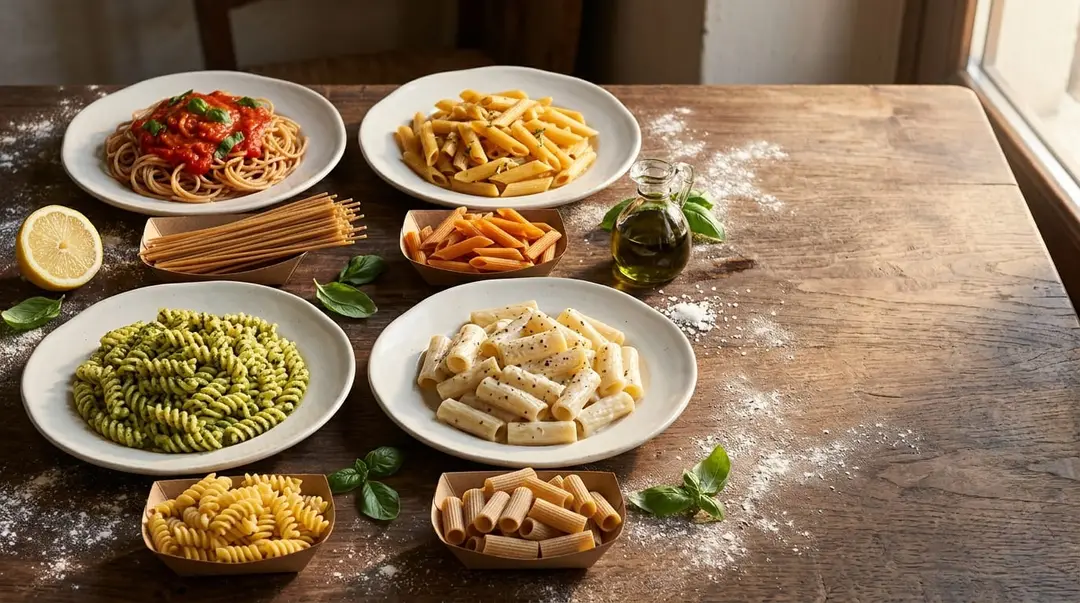
- Gluten-free noodles (rice-based, buckwheat-based, alternative flour)
- Keto-friendly noodles (very low carb)
- Shirataki noodles (konjac yam root — virtually zero calories)
- Alternative-flour noodles (chickpea, lentil, sweet potato)
- Specialty rice noodles (vermicelli for spring rolls, etc.)
For people with dietary restrictions — gluten intolerance, diabetes, weight management — these noodles unlock dishes that would otherwise be off-limits.
The Six Core Specialty Noodles
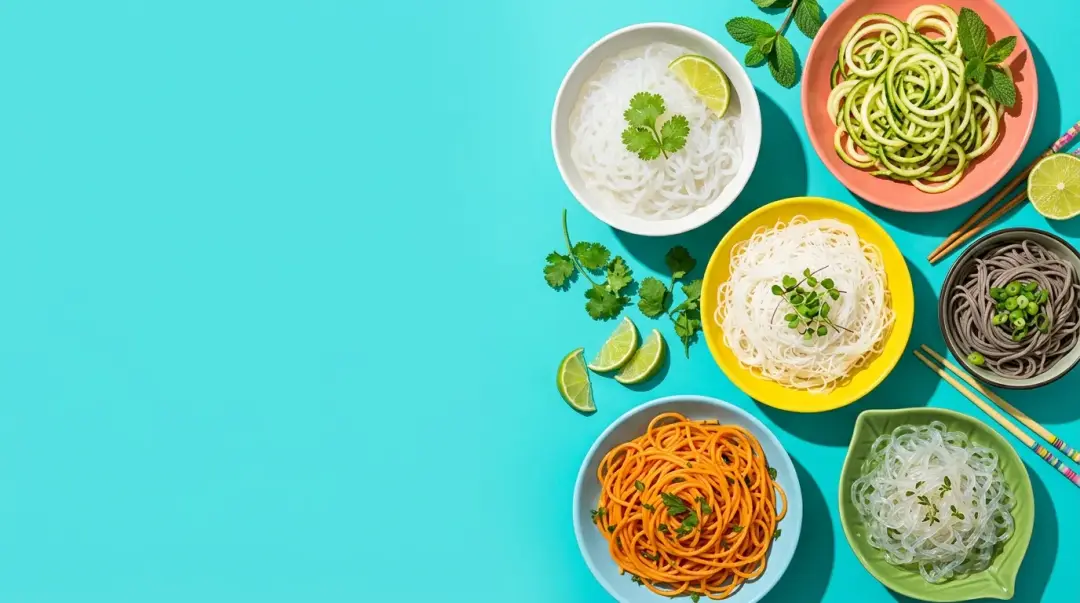
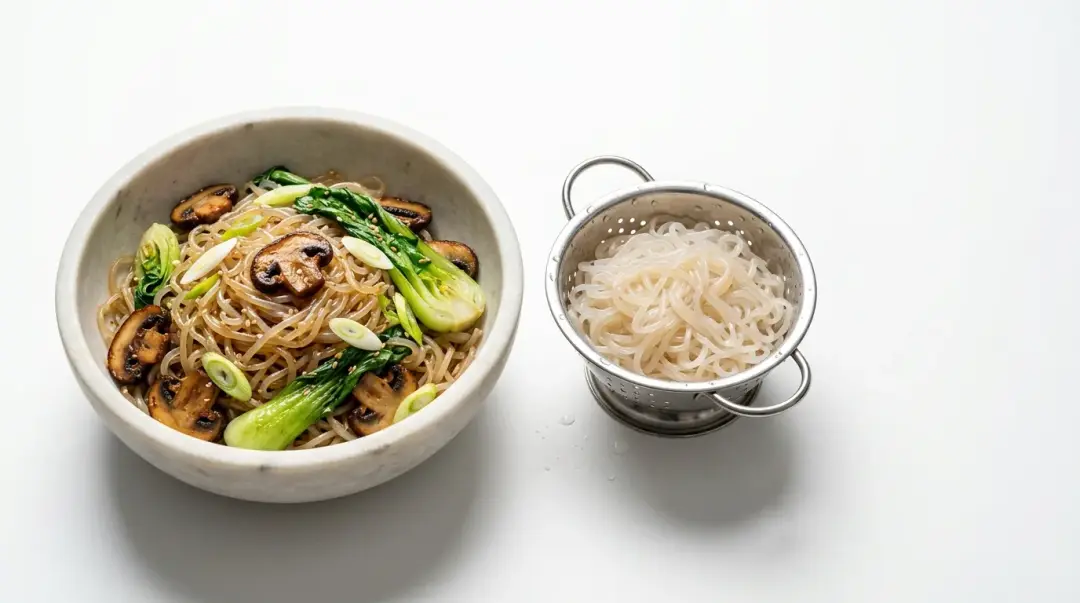
- Shirataki — Japanese konjac yam noodles. Virtually zero calories.
- Gluten-Free Pasta — Brown rice, quinoa, and corn-based pasta substitutes.
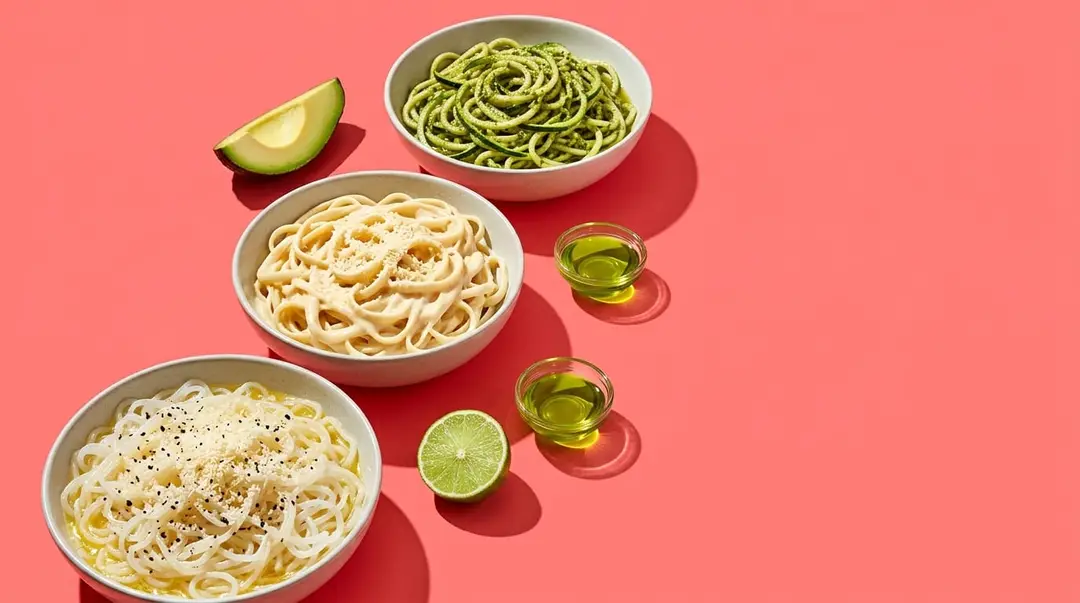
- Keto Noodles — Very low-carb noodle alternatives (shirataki, palmini, low-carb wheat).
- Rice Noodles (General) — Naturally gluten-free; covered broadly here.
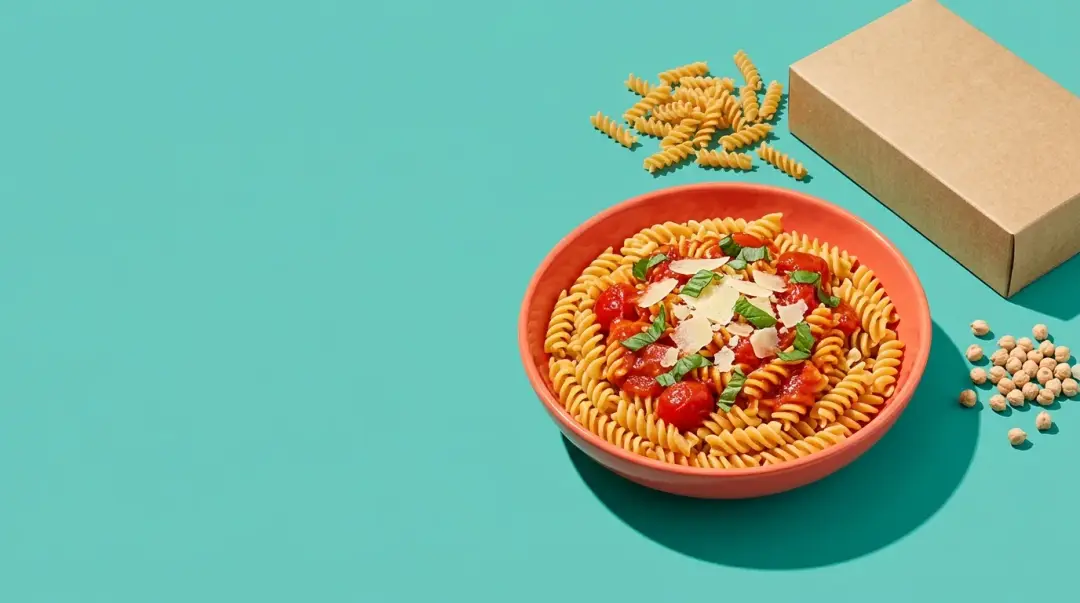
- Chickpea Pasta — High-protein, gluten-free, plant-based.
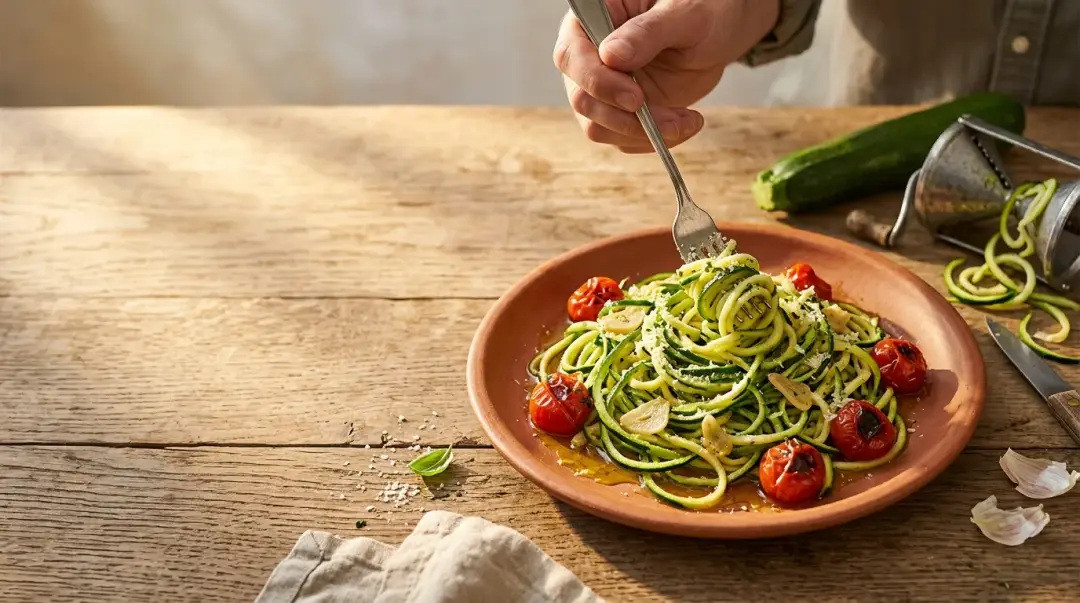
- Zucchini Noodles (Zoodles) — Spiralized vegetable substitute.
When to Choose Specialty Noodles
The use cases:
- Celiac disease or gluten intolerance — Gluten-free pasta or rice noodles
- Keto/low-carb diet — Shirataki, palmini, or zucchini noodles (under 10g carbs/serving)
- Diabetes management — Lower-glycemic options (chickpea pasta, shirataki)
- Plant-based / vegan — Most specialty noodles work (verify for egg-free)
- Weight management — Shirataki has effectively zero calories per serving
- Athletic/protein focus — Chickpea or lentil pasta (15-20g protein per serving)
What Compromises in Texture
All specialty noodles trade something vs traditional wheat:
- Gluten-free pasta — More fragile, breaks easily, less springy
- Shirataki — Different texture (gelatinous, neutral)
- Chickpea pasta — Slightly grainy, holds shape well
- Zoodles — Watery, doesn't hold sauce like pasta does
- Keto wheat pasta — Close to regular pasta but more expensive
Manage expectations: specialty noodles are good enough for the dietary goal, not identical to traditional pasta.
FAQ
What are specialty noodles?
Specialty noodles are those outside the major regional categories: gluten-free, keto, shirataki, alternative-flour and specialty rice noodles.
Which noodles are gluten-free?
Rice noodles are naturally gluten-free. Brown rice, quinoa and corn-based pastas are also made as gluten-free substitutes for wheat pasta.
What is shirataki?
Shirataki are Japanese noodles made from konjac yam root. They contain virtually no calories and have a gelatinous, neutral texture.
Do specialty noodles taste like regular pasta?
Not exactly. Each trades something against wheat, such as gluten-free pasta being more fragile or chickpea pasta being slightly grainy. They are good enough for the dietary goal.
What You Need
Three tools cover most specialty noodle cooking.
Paderno 3-blade vegetable spiralizer. Vegetable noodles such as zucchini start with a spiralizer. This listing is a counter-mounted manual spiralizer with three stainless steel blades that cuts spirals and slices. View on Amazon
OXO Good Grips 3-piece strainer set. Konjac and shirataki noodles come packed in liquid and get rinsed in a fine strainer. This set nests a 3-inch, a 6-inch and an 8-inch fine mesh strainer, and the handles hook over a bowl. View on Amazon
Etekcity digital kitchen scale. Weighing portions suits low-carb eating, where the number of grams decides the count. This scale reads to 1 gram, holds up to 11 pounds, has a tare function and switches between grams and ounces. View on Amazon