Ramen
Born in Japan, beloved everywhere. The most complex bowl of noodles on earth — and the most endlessly reinvented.
- 20–240 min
- Origin: Japan
- 6 types
On this page(5 sections)
Explore Ramen Types
Six essential styles — from the creamy depths of tonkotsu to the humble perfection of instant.
Tonkotsu豚骨
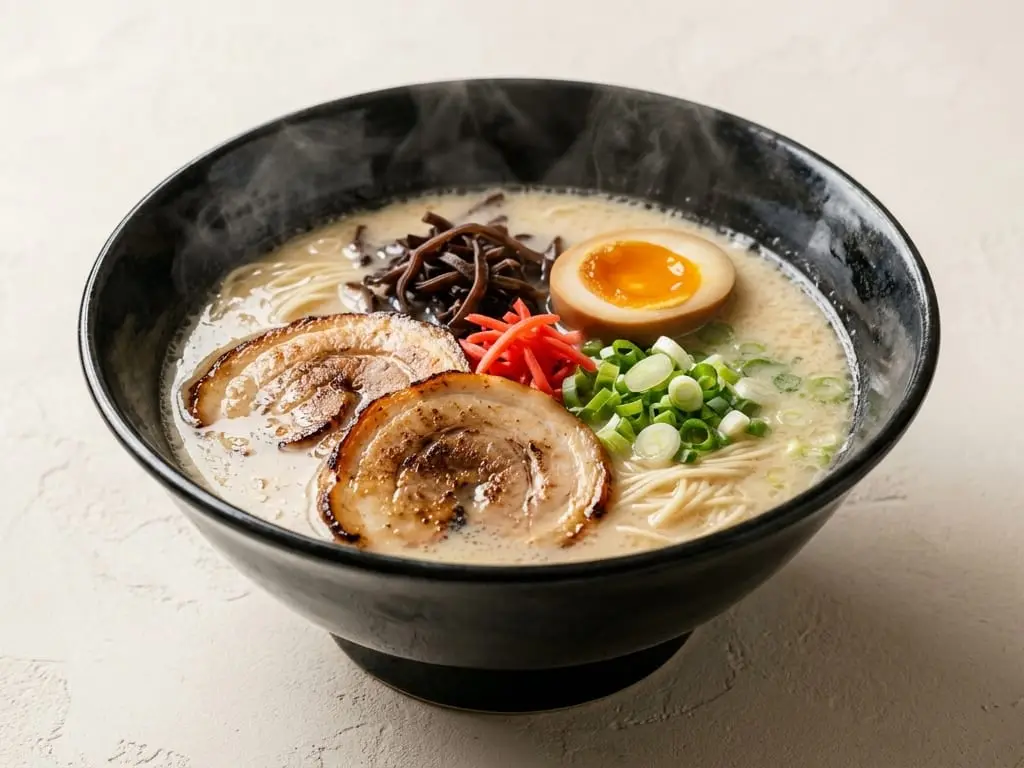
A rich, creamy pork-bone broth from Fukuoka. Hours of simmering yield a milky-white, collagen-packed broth with deep umami.
Fukuoka · Rich
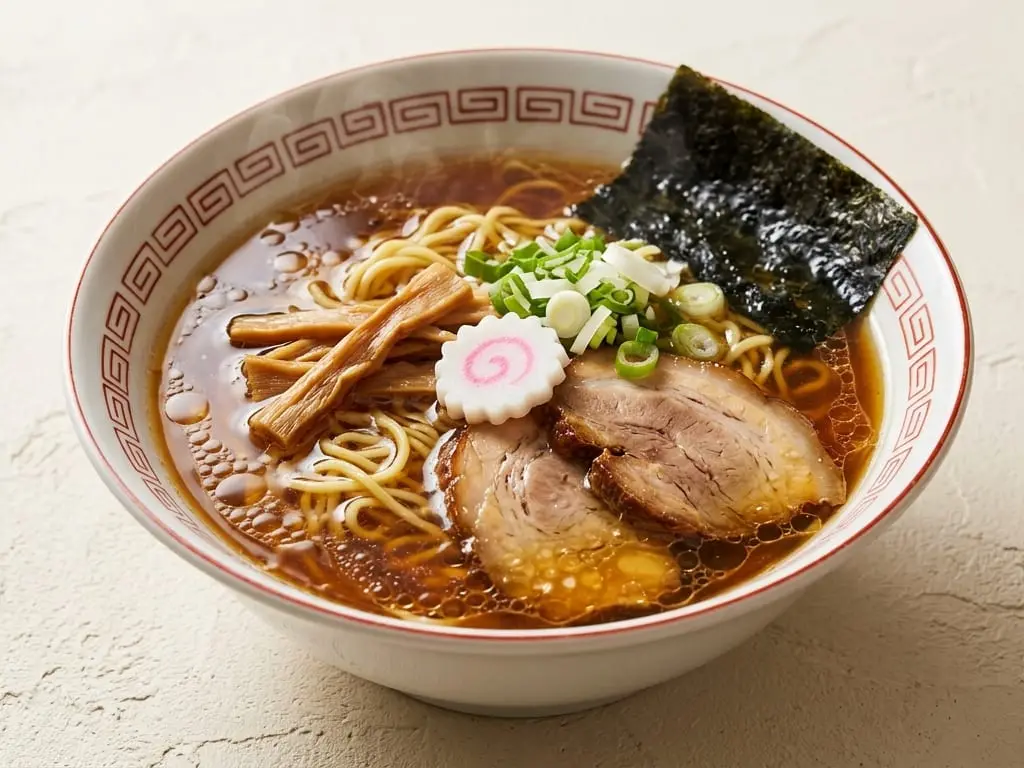
Shoyu醤油
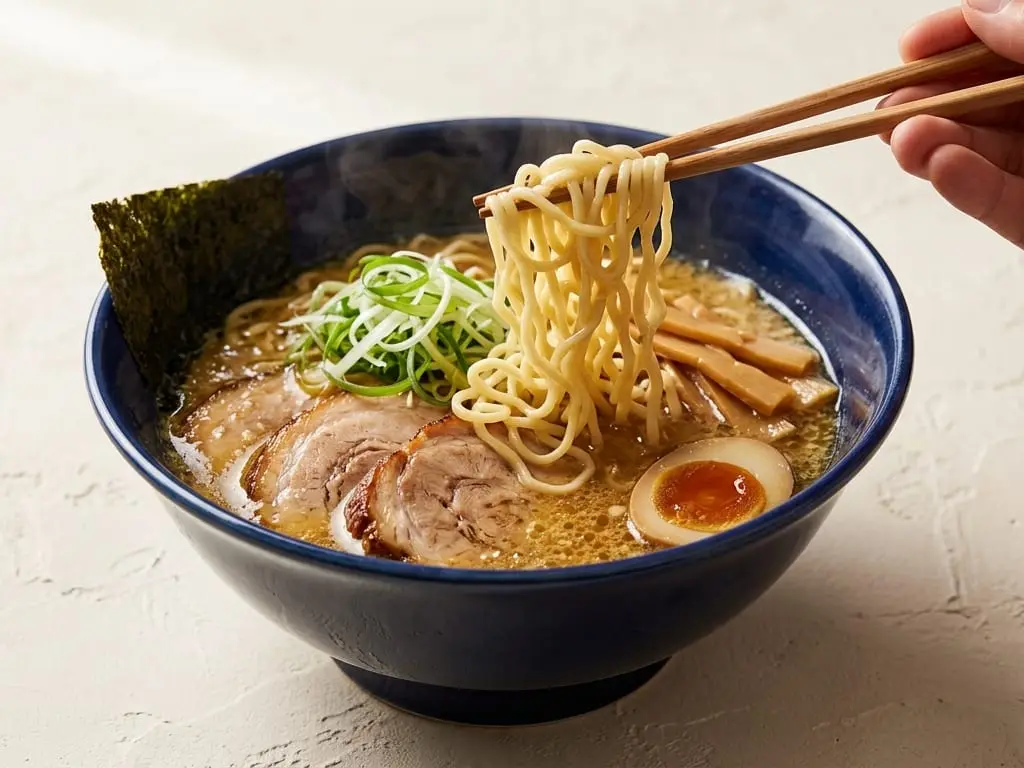
Tokyo-style soy-sauce-seasoned clear broth. Lighter and more transparent, with a savory, slightly sweet balance.
Tokyo · Light
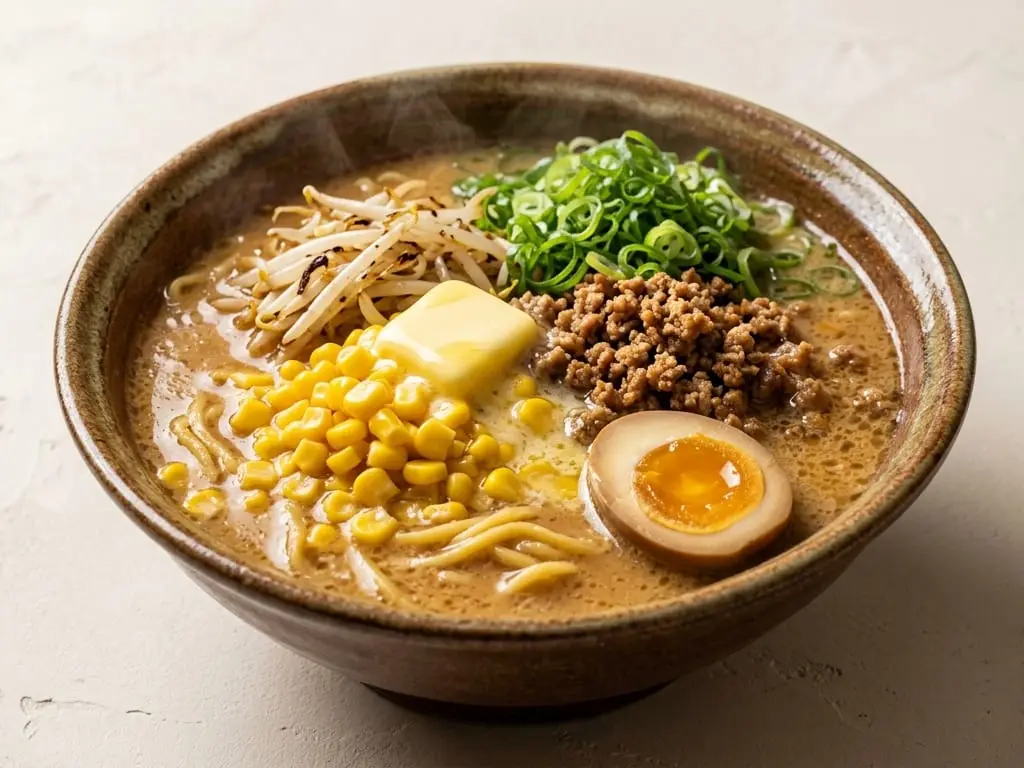
Miso味噌
Sapporo's signature style: fermented miso tare stirred into a hearty broth, lending earthiness, depth, and warming richness.
Sapporo · Hearty
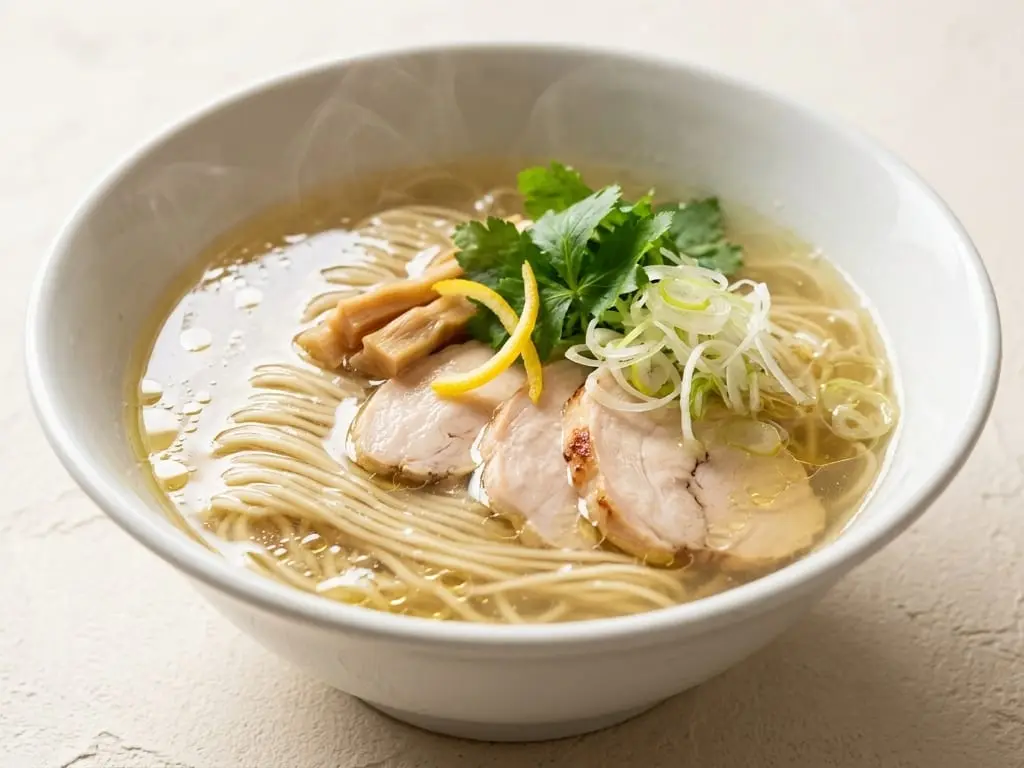
Shio塩
The lightest and oldest ramen style. A pale golden salt-seasoned broth from Hakodate that lets the clean stock flavors shine.
Hakodate · Clean
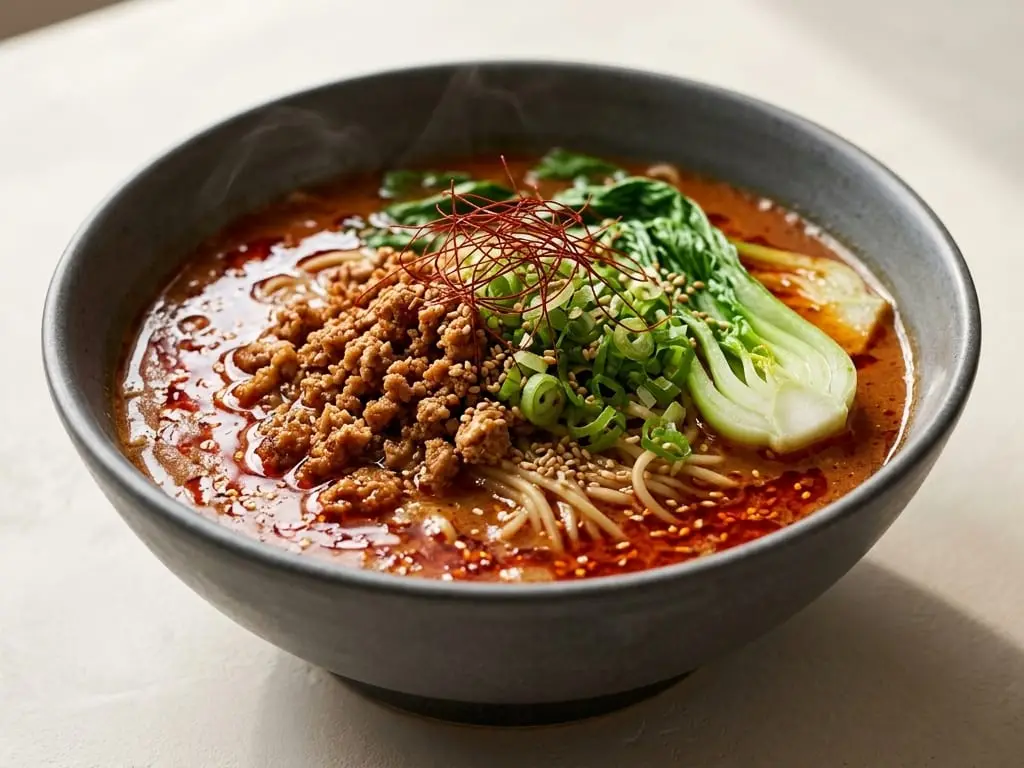
Spicy
Fired up with chili paste, gochugaru, or rayu. Spans Japanese kaara miso, Korean-influenced jjigae styles, and global heat builds.
Global · Hot
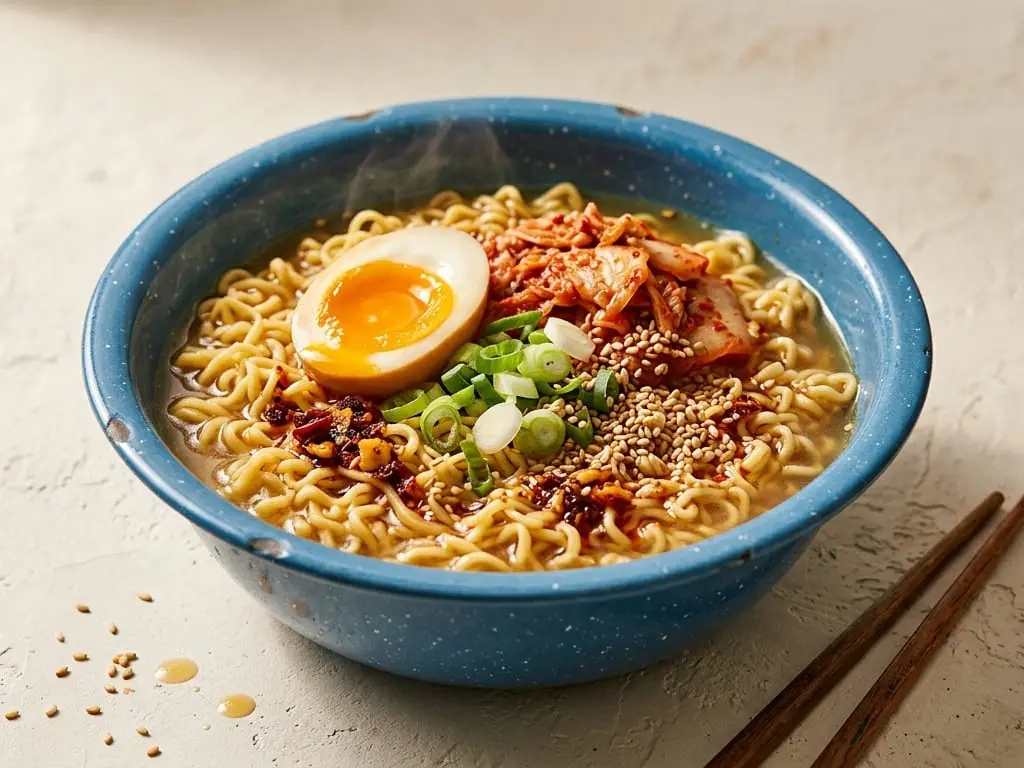
Instant
The world's most-consumed ramen form. Flash-fried or air-dried noodles with seasoning packets — and the base of countless creative hacks.
Everywhere
Ramen Around the World
The same dish, endlessly reinvented. Here's how ramen varies by region.
Ramen was born in Japan in the early 20th century, shaped by Chinese wheat-noodle traditions and the resourceful post-war food culture of the 1940s and 50s. What emerged was a uniquely Japanese obsession: rich, long-simmered broths — tonkotsu from Fukuoka, shoyu from Tokyo, miso from Sapporo, and the delicate shio of Hakodate — each tied to a specific region and a local identity as fierce as any civic pride. Japanese ramen shops, or ramen-ya, are temples of craft, with chefs who dedicate decades to perfecting a single bowl.
Today Japan has over 30,000 ramen restaurants and a dedicated Ramen Museum in Yokohama. The dish has transcended street food to occupy a respected place in high cuisine. Regional styles continue to evolve, with new-wave shops pushing the boundaries of broth clarity, noodle hydration, and topping complexity — all while honoring the foundational Japanese principle that nothing in the bowl should be an accident.
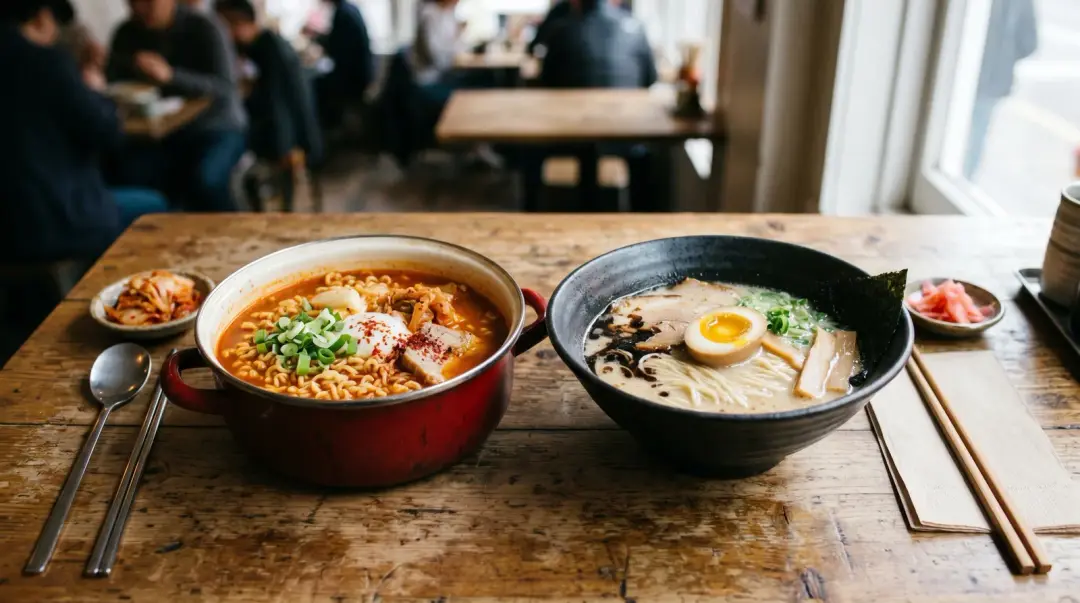
Korea reimagined ramen as ramyeon — a category that began with instant packets in the 1960s but has grown into a rich culinary tradition of its own. The Korean palate leaned hard into heat, fermented complexity, and bold umami, resulting in broths laced with gochugaru, doenjang, and kimchi brine. Dishes like budae jjigae (army stew) emerged from post-war scarcity and became beloved comfort food, blending ramyeon noodles with surplus American pantry staples — a dish that is now proudly, defiantly Korean.
Modern Korean ramen culture spans everything from the cult instant brand Shin Ramyun — one of the best-selling instant noodles in the world — to upscale Seoul restaurants serving hand-pulled noodles in clear anchovy dashi. Korean ramen has also driven global trends: the viral cheese ramyeon, fire noodle challenges, and mukbang culture have introduced this tradition to tens of millions of international viewers, cementing Korea's place as a second ramen superpower.
In the United States, ramen has followed two distinct but converging paths. The first is the humble instant packet — introduced by Nissin in 1970 and now a staple of college dorms, late-night kitchens, and budget-conscious households across the country. Americans consume billions of servings per year, and the base product has become a canvas for creative hacks: adding butter, peanut butter, eggs, or hot sauce in combinations that would raise eyebrows in Fukuoka but taste deeply right at 2 a.m. in a Brooklyn apartment.
The second path runs through fine dining. Chef David Chang's Momofuku Noodle Bar, opened in New York in 2004, proved that serious ramen had a place in American restaurant culture. A wave of Japanese-trained chefs and local innovators followed, opening tonkotsu shops in Los Angeles, shoyu spots in Chicago, and miso-forward counters in Portland. American ramen now incorporates local ingredients — smoked brisket broths, roasted chili oils, locally milled flour — creating a hyper-regional offshoot that owes its soul to Japan but its accent to the US.
Fusion ramen is the wild card of the noodle world — the place where culinary traditions collide without apology. Contemporary chefs globally are treating the ramen framework (noodle + broth + toppings + egg) as a modular system to be disassembled and rebuilt with whatever ingredients speak to their heritage or market. The result: Mexican-ramen hybrids built on pozole broth, Jamaican jerk pork ramen with Scotch bonnet tare, and Indian-inflected bowls that replace the chashu with tandoori chicken and swap miso for a roasted tomato base.
These innovations are not gimmicks — the best fusion ramen is deeply considered, technically rigorous, and genuinely delicious. Chefs in Sydney, London, Toronto, and São Paulo are contributing to this global conversation, borrowing freely from ramen's Japanese grammar while writing in their own dialects. For the food-curious American diner, fusion ramen represents the most exciting frontier: a bowl that could only exist right now, in this particular city, made by this particular cook — and that's exactly the point.
Ramen Guides
View all guides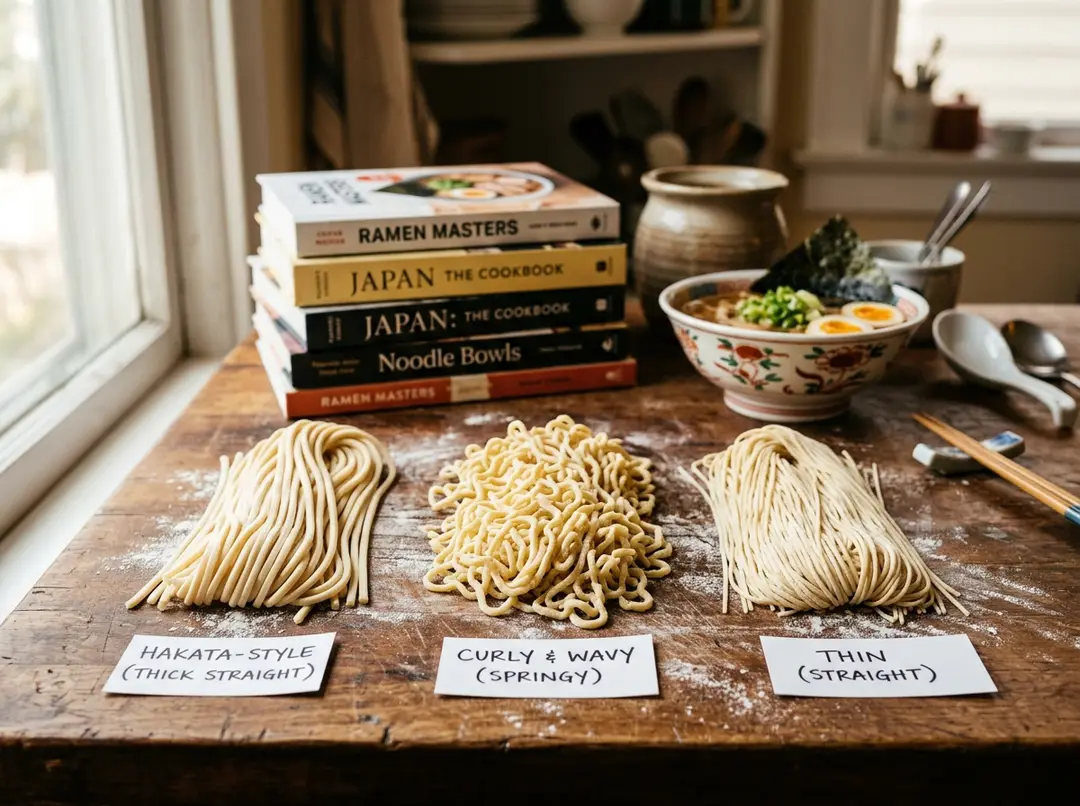 Buying guide
Best Fresh Ramen Noodles in the US (2026 Guide)
Six fresh ramen noodle brands compared for texture, alkalinity, and bowl performance. Sun Noodle, Yamachan, Lotus Foods, and where to buy each.
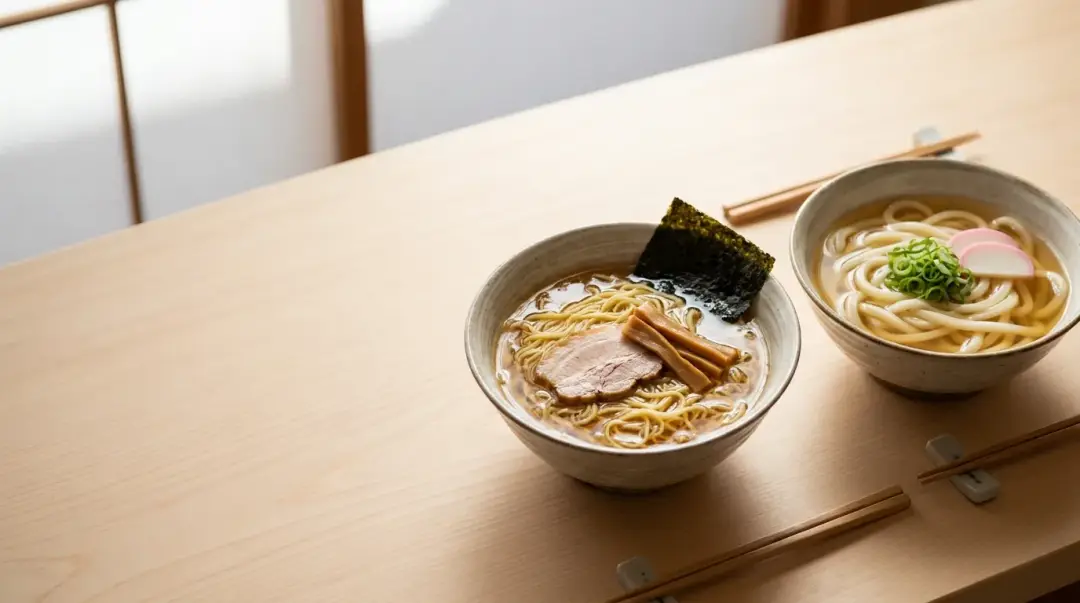 Guide
Ramen vs Udon: 6 Real Differences and Cook Times
Ramen and udon look similar but cook differently. Texture, broth, origin, calories, and how to choose between Japan's two most-loved wheat noodles.
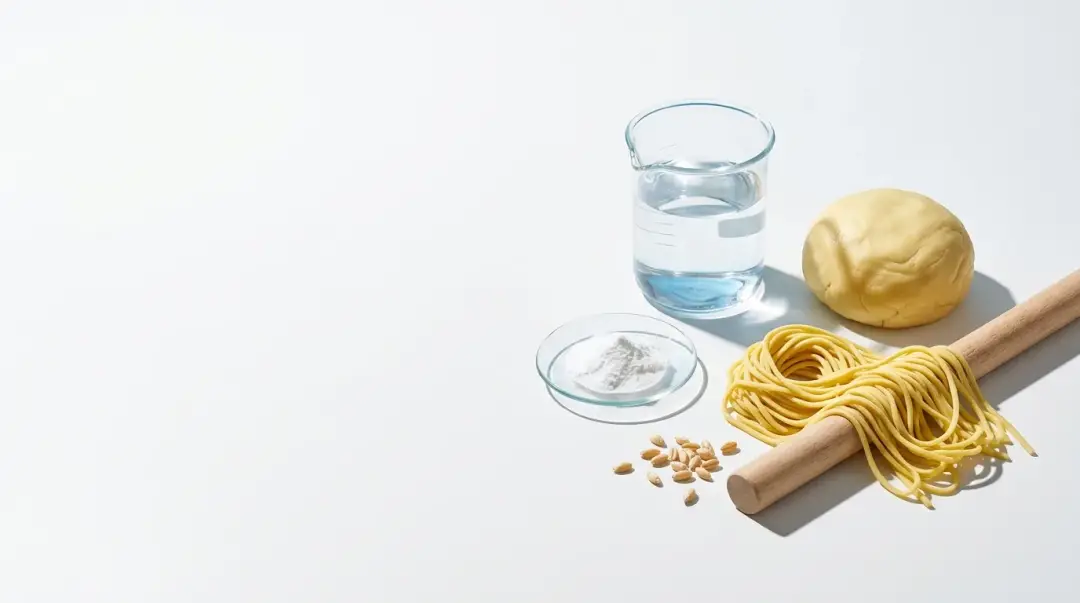 Guide
What Is Kansui? The Alkaline Salt in Ramen Noodles
Learn what kansui is, why it turns ramen yellow, and how it builds springy koshi. Get the pH science, history, and a baking-soda swap for your kitchen.
FAQ
What are the 4 types of ramen?
Tonkotsu (pork-bone broth), shoyu (soy sauce tare), miso (miso tare) and shio (salt tare). Each is named for its broth or seasoning, and every region and shop varies them.
Is ramen Japanese or Chinese?
It started as Chinese-style wheat noodle soup sold in Japan in the early 1900s, which is why early shops called it shina soba or chuka soba. The regional styles were developed in Japan, so today it is considered a Japanese dish.
What makes ramen noodles yellow?
Kansui, an alkaline mineral water (mainly sodium and potassium carbonate) mixed into the dough. It firms the gluten for a springy bite and turns the flour yellow; most ramen noodles contain no egg. What is kansui?
What is the difference between ramen and ramyeon?
Ramyeon is the Korean word, and in Korea it almost always means instant noodles, usually spicier and cooked in a pot. Ramen means the Japanese noodle soup, fresh or instant. Ramyeon vs Ramen
Ramen to buy
This section contains affiliate links. We may earn a commission at no extra cost to you.

SUN NOODLE Kaedama Ramen Noodles, 10 OZ
The US ramen-shop standard — what most US ramen restaurants use
View on Amazon
Maruchan Ramen Noodle Soup, Picante Chicken Flavor – Japanese-Style Instant Noodles, Quick & Easy Meal for Students & Busy Families – 3 Oz. (24 Pack)
The iconic American instant ramen — universally available + recognized
View on Amazon

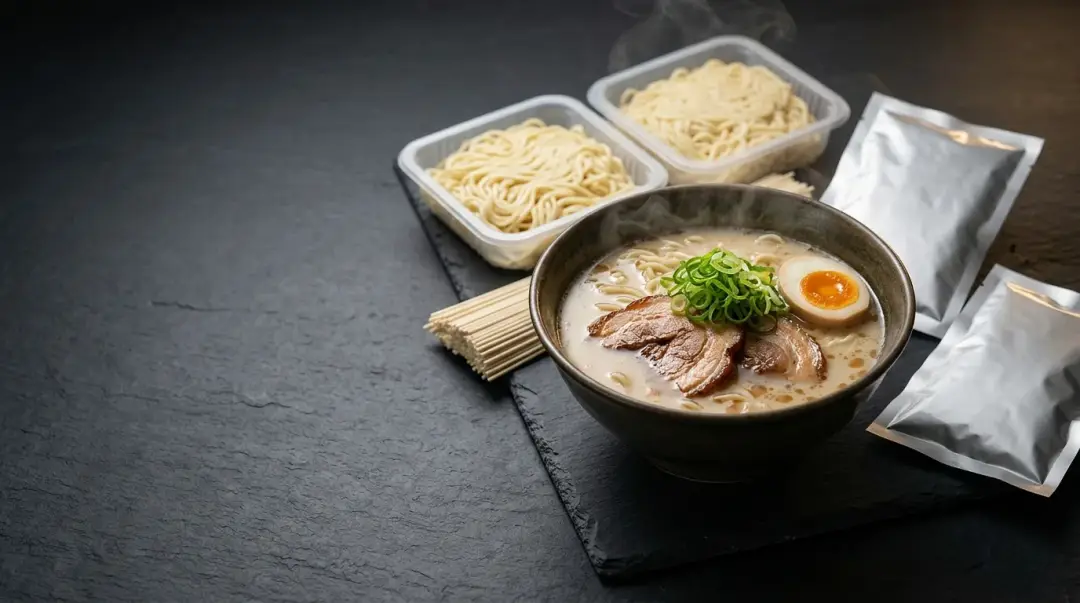
Official ICHIRAN Take-Home Ramen Kit, Hakata Tonkotsu
Official take-home kit from ICHIRAN, the iconic Fukuoka Hakata-style tonkotsu chain (founded 1960, global cult-status counter restaurants)
View on Amazon