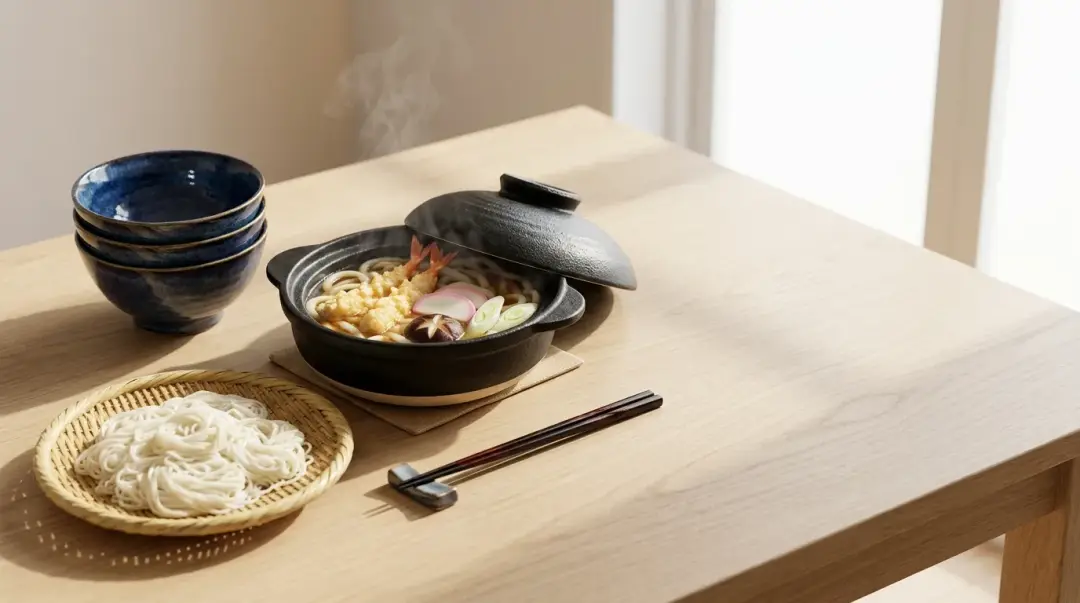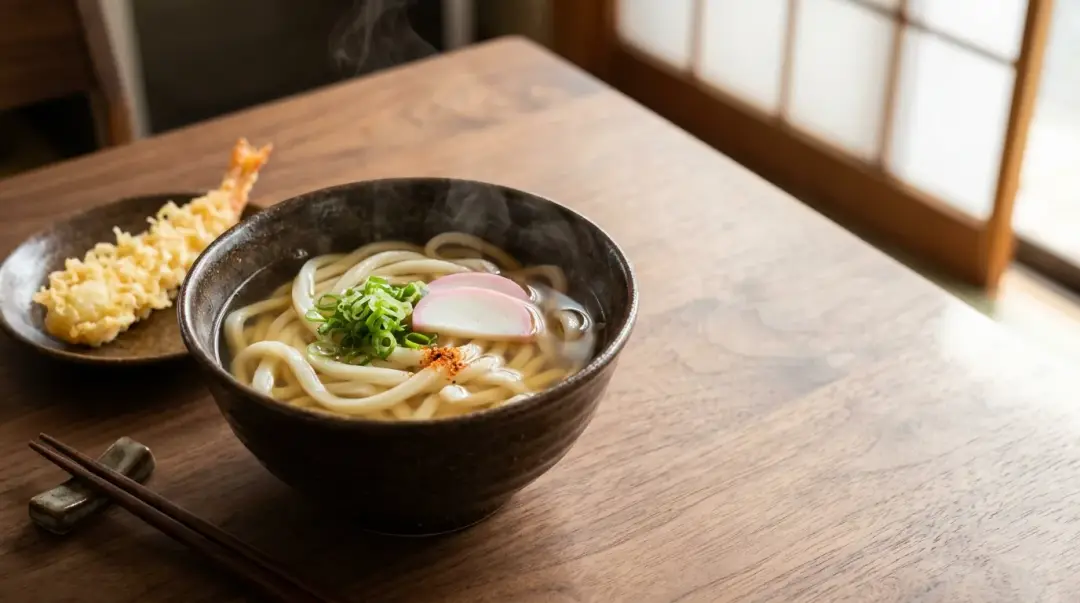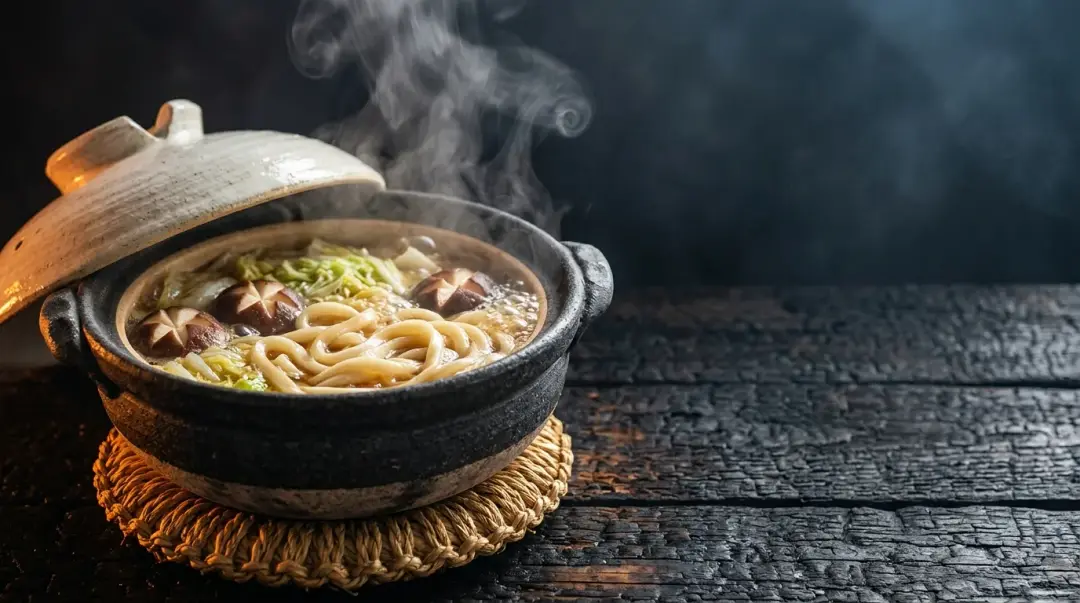


- Best overall: Nagatani-en Hakeme, Iga-yaki, gas and oven.
- Best budget: Ginpo Hana-Mishima Donabe Casserole, 74 oz Banko-yaki.
- Easiest Amazon buy: Kotobuki Donabe Japanese Hot Pot, Medium.
- Best for beginners: KINTO KAKOMI Ceramic Pot 2.5L, no seasoning.
- Best for induction: Ginpo Kikka IH-Compatible Donabe.
A Pot Made of Holes
A donabe (doh-NAH-beh, literally "earthenware pot") is a Japanese clay cooking pot built to sit over a flame and then go straight to the table. The most prized ones come from Iga, in Mie Prefecture, and the reason is geological. Happy Donabe Life, the recipe site run by Naoko Takei Moore of the Los Angeles shop Toiro, notes that the Iga region was the bed of Lake Biwa about 4 million years ago. Nagatani-en, the Iga kiln founded in 1832, says the clay from those strata is full of fossilized microorganisms. Fire the clay and they burn away, leaving the body riddled with tiny holes.
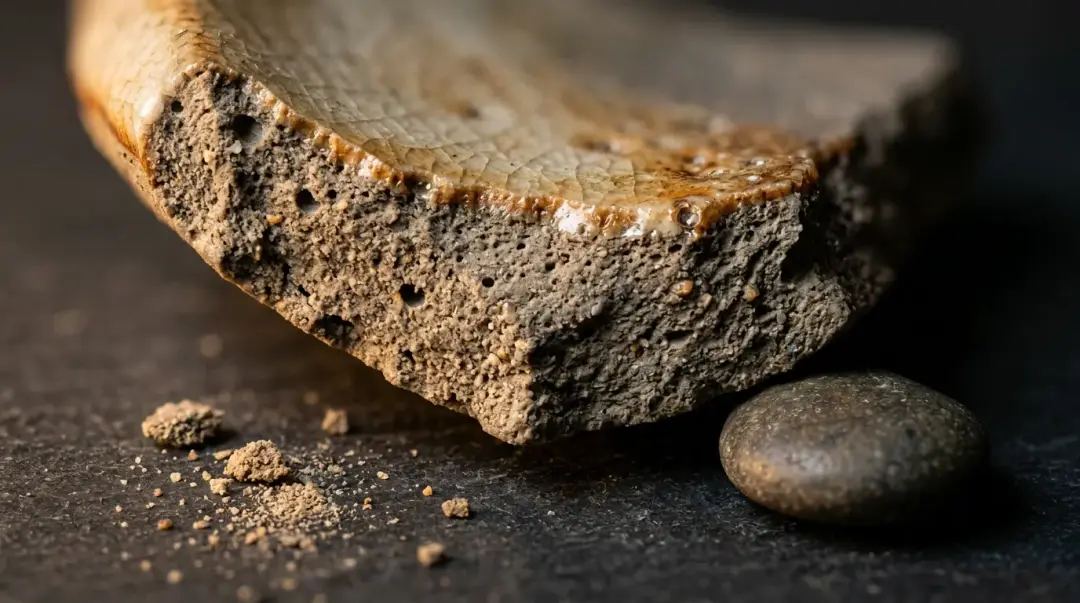
Those pores do most of the work. Nagatani-en credits them for the pot's heat retention, which is why a broth in a donabe keeps bubbling after the burner goes off. They also explain the three rules every donabe owner learns. The pot drinks water, so you seal it with a starch porridge called medome (meh-DOH-meh) before the first use. Wet clay heated fast can crack, so the outside has to be dry before it touches a flame. And a body full of air has no magnetic metal in it, so a classic clay donabe will never work on induction without help.
The other big clay family, Banko-yaki (BAHN-koh YAH-kee) from Yokkaichi, approaches heat differently. Wikipedia's donabe entry says Banko clay contains 40 to 50 percent petalite, a lithium mineral that resists direct flame, and that Banko wholesalers claim to ship close to 80 percent of the donabe on the wholesale market. If you've seen a cheap donabe at a Japanese grocery, odds are it was Banko.
Donabe picks by clay, heat source and upkeep
| Pick | Clay / maker | Capacity | Induction? | Seasoning needed? | Best for |
|---|---|---|---|---|---|
| Nagatani-en Hakeme | Iga-yaki, Nagatani-en | 750 ml to 3.5 qt | No | Yes | Nabeyaki udon, hot pot, braises |
| Ginpo Hana-Mishima Casserole | Banko-yaki, Ginpo | 2,200 ml (74 oz) | No | Yes | A first clay pot on a budget |
| Kotobuki Donabe Hot Pot, Medium | Kotobuki Trading line | Check listing | Not listed | Assume yes | An easy Amazon order |
| KINTO KAKOMI Ceramic Pot | Glazed ceramic, Kinto | 2.5 L (85 oz) | No | No | Microwave and dishwasher households |
| Ginpo Kikka IH-Compatible | Banko-yaki, Ginpo | 2.7 L | Yes | No | Induction cooktops |
How We Picked
- This list is research-based. We did not cook in these pots; we compared each maker's published specs, care instructions and heat-source limits, and checked that every pick is sold online, through a shop that prices in dollars or on Amazon.
- We favored pots sized for noodle dishes: a single-serving nabeyaki udon pot, or a two-to-four-person pot for hot pot finished with udon or ramen.
- We separated the clay that needs medome from the glazed and IH pots that don't, because that one difference decides how much care you sign up for.
The Picks
Best Overall: Nagatani-en Hakeme Iga-yaki Donabe
Hakeme is the Iga-yaki pot to buy if you cook on gas and want the full donabe experience. Toiro sells it in three sizes: a small 750 ml pot (8.1 inches across, 3.3 pounds), a medium 2.5 quart (10.6 inches, 6.6 pounds) and a large 3.5 quart (12 inches, 8.8 pounds).
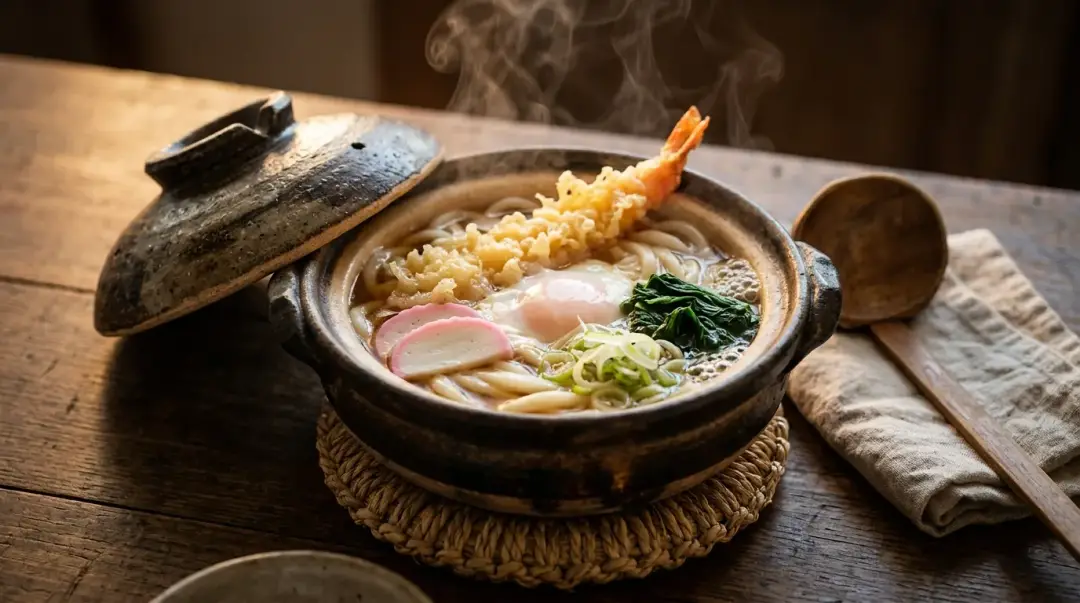
For noodles, the small size is a dedicated nabeyaki udon (nah-beh-YAH-kee oo-DOHN) pot, the dish where udon, broth, toppings and an egg cook together in a single clay pot. Happy Donabe Life's recipe calls for exactly that, a 750 ml classic-style donabe or larger for one serving. The medium handles hot pot for two to four, with udon or ramen dropped into the leftover broth at the end.
What holds it back is the heat source. Toiro lists Hakeme as safe on gas and in the oven up to 500°F, and not suitable for electric coils, induction or the microwave. It also needs medome before you cook anything. It is also one of the most expensive pots on this list.
Best Budget: Ginpo Hana-Mishima Donabe Casserole
Ginpo is a Banko-yaki maker, and Miya Company in New York calls the Hana-Mishima the brand's flagship. The 10-inch model holds about 74 ounces (2,200 ml), enough for two to three people. Miya also lists the same design in 20-, 50- and 135-ounce sizes.
It works over an open flame and in the oven with the lid removed. Seasoning is the old-fashioned kind: Miya's instructions say to fill the pot with rice water and simmer for 20 to 30 minutes, or use flour or potato starch in water at a 9:1 ratio. Miya also says the pot is built for slow cooking, not flash cooking, and should never sit empty on a flame.
This is the pot to learn on. If you crack it, you've lost a fraction of what an Iga-yaki pot costs, and you'll know whether you cook in clay often enough to justify one.

Ginpo Hana-Mishima Donabe Casserole
Ginpo's flagship Banko-yaki pot, made in Japan
Kotobuki Donabe Japanese Hot Pot, Medium
Kotobuki is the donabe most shoppers find first, because it sits on Amazon in X-Small, Small, Medium and Large in a brown-and-green glaze. Kotobuki Trading Company's tabletop line is now distributed in the US by Miya Company, which describes itself as the exclusive distributor for KTC's products, including donabe.
The trouble is the listing. Amazon's titles don't give the capacity or the heat sources clearly, and one Large title is garbled enough to mention a portable stove and no lid. Miya's own brown-and-green Earth Green donabe line gives clearer numbers: the 6-go pot holds about 36.6 ounces at 7¼ inches across, and the 9-go about 54.9 ounces at 10¾ inches. A go is a traditional Japanese volume unit of about 180 ml. Miya marks the 6-go pot for gas only and calls for rice-water seasoning before first use.
Buy the Kotobuki if Amazon delivery matters most. Read the box when it arrives, treat it as gas-only clay unless it says otherwise, and season it like the Ginpo.

Kotobuki Donabe Japanese Hot Pot
Sold on Amazon in four sizes, from X-Small to Large
Best for Beginners: KINTO KAKOMI Ceramic Pot 2.5L
Kinto's KAKOMI looks like a donabe and behaves like modern cookware. Kinto USA says the body "rarely absorbs water," so there's no medome step, only a wash with mild detergent. It goes on a gas flame, in the microwave, in the oven and in the dishwasher. The 2.5 L pot holds 85 ounces and serves three to four, and a 1.2 L version exists for one or two.
Two caveats. Despite the look, Kinto lists the ceramic KAKOMI as not induction compatible; the brand's induction-ready KAKOMI is a separate enamel pot. And the pot is made in Japan while the lid is made in Malaysia. Buy it for a hot-pot vessel that survives a busy household, and buy Iga clay if you want a pot that changes with use.
KINTO KAKOMI Ceramic Pot 2.5L
Kinto says it rarely absorbs water and needs no seasoning
Best for Induction: Ginpo Kikka IH-Compatible Donabe
IH stands for induction heating, and an IH donabe is the only clay pot that works on an induction cooktop without an adapter. Musubi Kiln, an online shop that prices in US dollars, sells Ginpo's Kikka in navy: 2.7 liters, sized for three to four people at hot pot or four to five for soups and stews. It runs on induction, open flame, electric stovetops and in the oven, needs no seasoning, and is about 15 percent lighter than a conventional clay pot according to the listing.
Ginpo's IH approach puts metal where the burner can find it. A home cook who blogs as Norio on Wine and Food describes a Ginpo IH pot with a perforated stainless disk that snaps into the inside bottom, and notes his 18-year-old induction unit showed an error with it while a newer one boiled liquid quickly. It is the most expensive pot on this list, so test the idea against your own cooktop's manual before you buy.

Ginpo Kikka Navy IH-Compatible Donabe
Works on induction as well as gas, electric and oven
What to Look For
- The heat source printed on the box. Iga-yaki and standard Banko pots are gas and oven. Look for "IH" or "induction" in the product name if that's your stove, because a clay pot with no metal will simply not heat.
- Size by dish. A 750 ml pot is one serving of nabeyaki udon. A 2.2 to 2.7 liter pot covers hot pot for two to four. Japanese listings often size pots in go (about 180 ml each) or by the number of people.
- Whether seasoning is required. Porous clay needs medome; glazed ceramic like KAKOMI and IH pots like Kikka don't. Budget an hour for the first-use routine if it does.
- The maker and region. Nagatani-en in Iga, or Ginpo in Yokkaichi, tells you more about the clay than "Japanese style" in a listing title.
- Weight you can lift full. Nagatani-en's 3.5 quart Hakeme weighs 8.8 pounds empty, before broth. Carrying it from stove to table is part of the deal.
Common Mistakes
- Putting a wet pot on the flame. Wikipedia's entry lists a dry exterior as the first rule against cracking, because trapped moisture expands under heat. Wipe the bottom every time.
- Heating it empty. Miya, Toiro and Wikipedia all say it: never put an empty clay pot over a burner.
- Buying an Iga-yaki pot for an induction kitchen. Toiro lists its Nagatani-en pots as unsuitable for induction. Adapter plates exist, but one Australian retailer's listing notes they need a flat-bottomed pot and that a buyer's plate didn't fit.
- Skipping medome because the pot looks glazed. The outside glaze on a porous clay pot doesn't seal the unglazed base. Season it.
- Panicking over fine lines in the glaze. Those are kan-nyu (kahn-NYOO), crazing that Happy Donabe Life describes as normal and expected to grow more visible with use.
For the rest of the Japanese noodle kit (bowls, zaru baskets, pots that do take induction), see our Japanese cookware guide. If you're cooking Korean stews instead, the stoneware ttukbaegi in our Korean noodle pots guide is the closer match.
Your Donabe's First Month
Clay pots change with use, and the first few weeks are where most of the damage happens. Here is the routine the makers describe, in order.
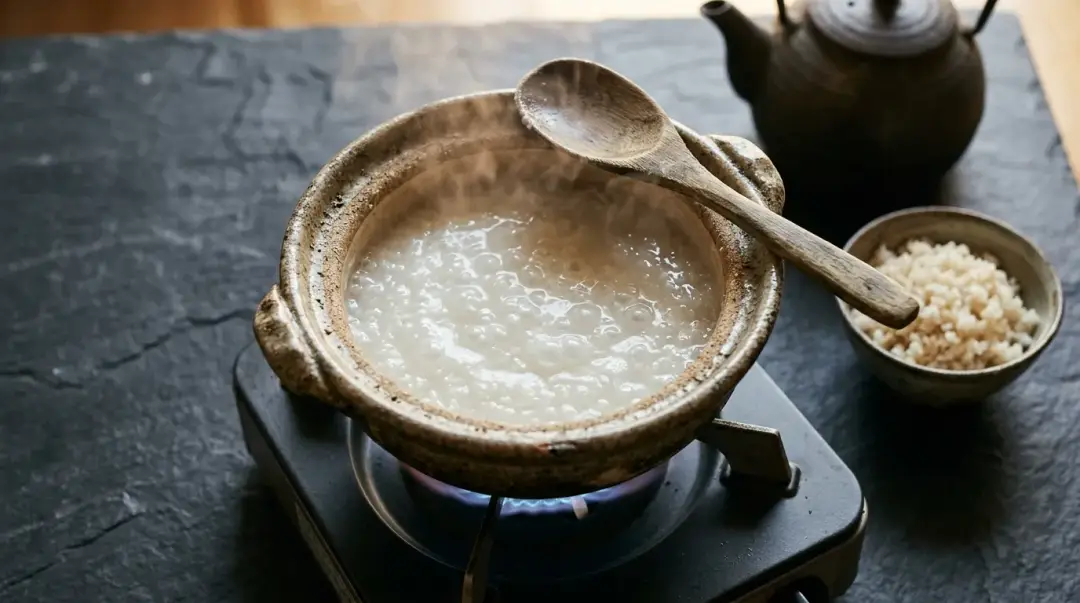
Day one, before any food
Wash the pot, then dry the outside bottom completely. Make a thick porridge from cooked short-grain rice and water and simmer it in the pot; Toiro puts this at roughly 30 minutes for a medium pot. On a Ginpo or Miya pot, simmering rice water for 20 to 30 minutes does the same job. Nagatani-en explains the point: the starch fills the clay's pores so it stops absorbing water.
Day one, after seasoning
Let it cool on its own. Scrape out the porridge, wash gently, and let the pot air-dry fully before it goes in a cabinet. Toiro adds that you can cook right after seasoning as long as the outside bottom is dry.
The first week
Start with liquid dishes, which is what donabe are for anyway. A single-serving pot of nabeyaki udon with frozen Sanuki-style udon is a good first cook; a shared hot pot with udon added at the end is the second. Bring the heat up gradually. Our udon guide covers which noodles hold up to a long simmer, and our udon buying guide lists the packs worth keeping in the freezer.
Weeks two to four
Watch the base. Happy Donabe Life says the bottom of a well-used pot darkens and gains black spots, while rapid blackening means you're running the burner too high. The kan-nyu lines in the glaze will become easier to see. Both are normal.
After months in the cabinet
Wikipedia's entry recommends repeating the conditioning step after long storage. If the pot seeps liquid through the base, season it again before you cook.
FAQ
What is the best donabe for a beginner?
The KINTO KAKOMI Ceramic Pot is the easiest start. Kinto says the glazed body rarely absorbs water, so it needs no seasoning, and it goes on gas, in the microwave, in the oven and in the dishwasher. If you cook on gas and want the traditional porous-clay pot, a Ginpo Banko-yaki casserole costs less and teaches you the seasoning routine on a cheaper pot.
Can you use a donabe on an induction cooktop?
Only if it is built for induction. Traditional Iga-yaki and most Banko-yaki pots are clay with no magnetic base, and Toiro lists its Nagatani-en pots as unsuitable for induction. IH-compatible donabe, such as Ginpo's Kikka, add metal to the base or floor. Adapter plates exist, but they need a flat-bottomed pot and the fit is not guaranteed.
How do you season a new donabe?
The Japanese term is medome. Cook a thick rice porridge in the pot, about 30 minutes for a medium pot according to Toiro, or simmer rice water for 20 to 30 minutes as Miya's instructions describe. The starch fills the pores in the clay so the pot stops absorbing water. Let it cool, wash it, and dry it completely before storing.
What is the difference between Iga-yaki and Banko-yaki donabe?
Iga-yaki comes from Iga in Mie Prefecture, where the clay contains fossilized microorganisms that burn out in the kiln and leave the pot porous. Banko-yaki comes from Yokkaichi, also in Mie, and its clay carries 40 to 50 percent petalite for heat resistance. Banko wholesalers claim close to 80 percent of the donabe wholesale market.
What size donabe do I need for nabeyaki udon?
One serving of nabeyaki udon fits a 750 ml pot. Happy Donabe Life's recipe calls for a classic-style donabe of 750 ml or larger, which matches the small size of Nagatani-en's Hakeme. For a shared hot pot with udon added at the end, a 2.2 to 2.7 liter pot serves two to four people.
Are the fine cracks in my donabe glaze a problem?
Usually not. Those lines are kan-nyu, crazing that forms when the glaze shrinks more than the clay during firing. Happy Donabe Life describes them as normal and says they become more visible with use. A crack that goes through the clay body, or a pot that leaks after seasoning, is a different problem and needs attention.
Read Next
- Best Japanese cookware
- Udon type guide
- Best udon noodles
- Sanuki udon, explained
- Best Korean noodle pots
- Best rice cookers — the electric alternative to a rice donabe
- Best hot pot sets — pots, table stoves and tools for nabe at home