A boat noodle vendor did the whole job alone. The standard account of the trade lists it: paddle the boat, scald the noodles, season the soup, serve it, take the money, wash the bowls. The Bangkok Post adds a physical detail. Vendors braced one leg against the canal bank to hold the hull steady and kept both hands for cooking. A large bowl of hot broth had no place in that arrangement. A small one, with just enough soup to wet the noodles, could be handed across the water without spilling. The portion size, the stack of empties on the table and the habit of ordering five bowls at once all come from that one-person boat.
What Are Boat Noodles?
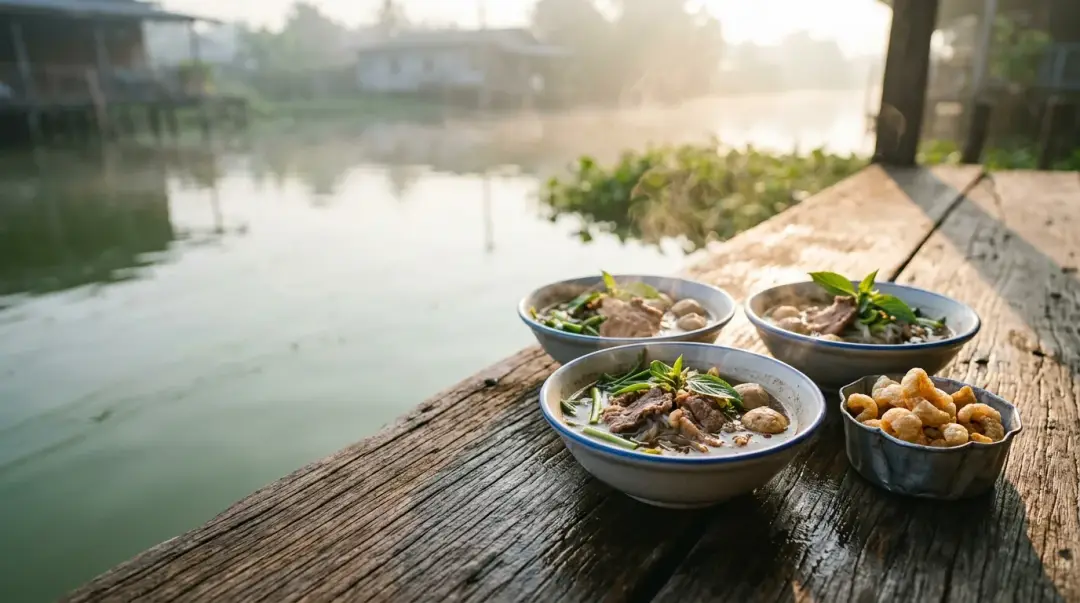
Kuay teow (ก๋วยเตี๋ยว) is the Thai word for rice noodles, and reua (เรือ) means boat. The dish is a meat noodle soup, either nuea (beef) or moo (pork), served in a bowl roughly the size of a teacup. The broth is dark brown, salty and warm with spice: cinnamon and star anise up front, with coriander, lemongrass, galangal and makrut lime leaf in many shop recipes. Dark soy gives the color. Fermented bean curd and pickled garlic add funk and sourness.
What separates it from every other Thai noodle soup is nam tok (literally "waterfall"), the name for the blood-thickened style. A small amount of pig or cow blood goes into the bowl or the pot, and the boiling broth cooks it on contact. It gives the soup body, a darker color and a faintly metallic savor. Diners who want to skip it order nam sai, the clear version.
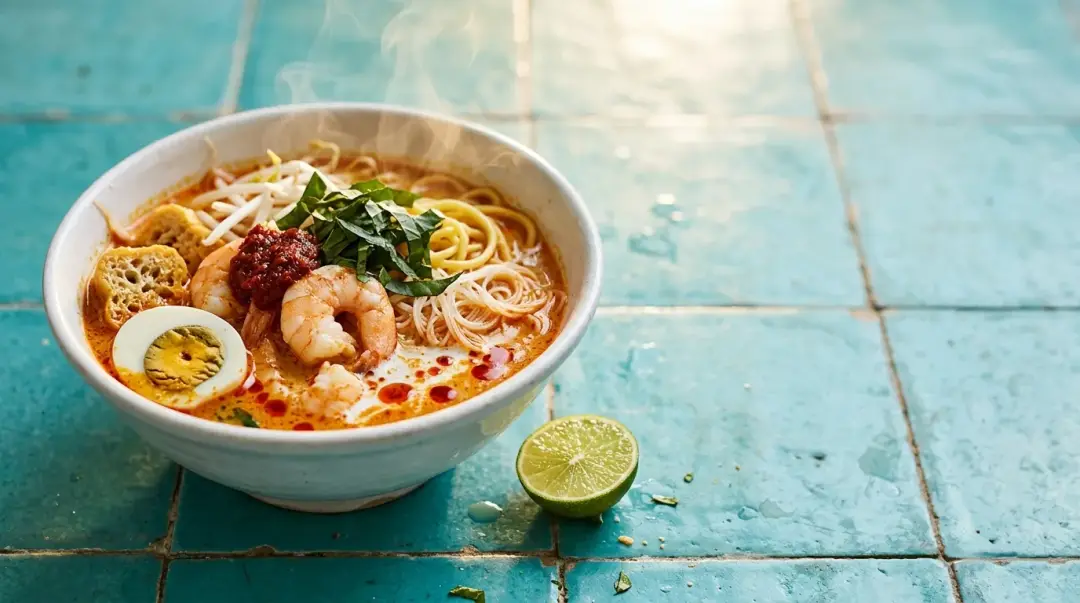
The bowl itself is crowded for its size. A typical serving holds a nest of rice noodles, thin slices of beef or pork, meatballs, sometimes liver or tripe, a few bean sprouts, morning glory (water spinach), fried garlic and a pinch of chili flakes. Thai basil or holy basil and a handful of pork cracklings usually go on top or come on the side.
From the Rangsit Canal to Victory Monument
The best-documented origin is in Rangsit, the district just north of Bangkok. The Bangkok Post traces Rangsit boat noodles to the Rangsit Prayoonsak canal, dug in 1890 during the reign of King Rama V. Chinese laborers were hired to dig it, and many settled along the banks once the work ended. Noodles were a Chinese food; selling them from boats on a canal network where houses faced the water was the Thai adaptation.
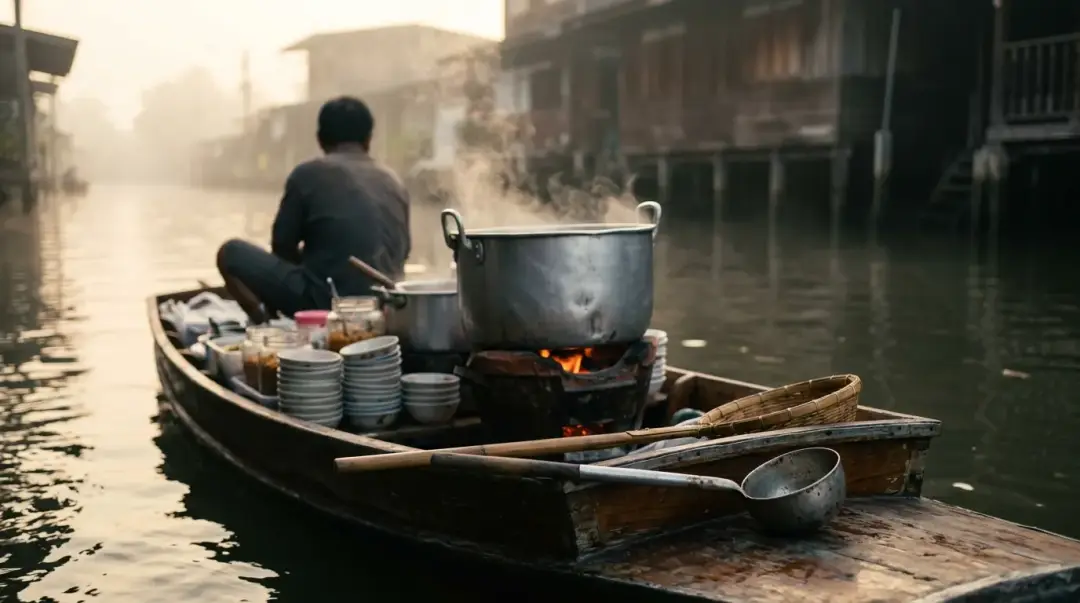
The original dish was beef. The broth was seasoned with cow's blood, salted to keep it from clotting, which is still how cooks handle it today. Over the next decades the trade spread through Bangkok's canals and up to Ayutthaya, the old capital, which also claims a long boat-noodle tradition. Rangsit's best-known vendor, a man the Post calls Ko Hub, worked the canal from 1932 to 1951 and became famous enough that rival vendors claimed to be his relatives. He even turned up in films.
Then the canals changed. New construction and wastewater pollution made the water unfit to cook on, and roads replaced boats as the way people moved around the city. Through the 1970s the vendors came ashore into shophouses. They kept the name and the small bowls. The Khlong Sam Sen canal near Victory Monument had been a boat-noodle stop, and the shops that settled beside it became the cluster now known as Boat Noodle Alley. It is still the most famous place in Bangkok to eat the dish.
How Boat Noodles Are Built
A boat noodle bowl comes together in three layers.
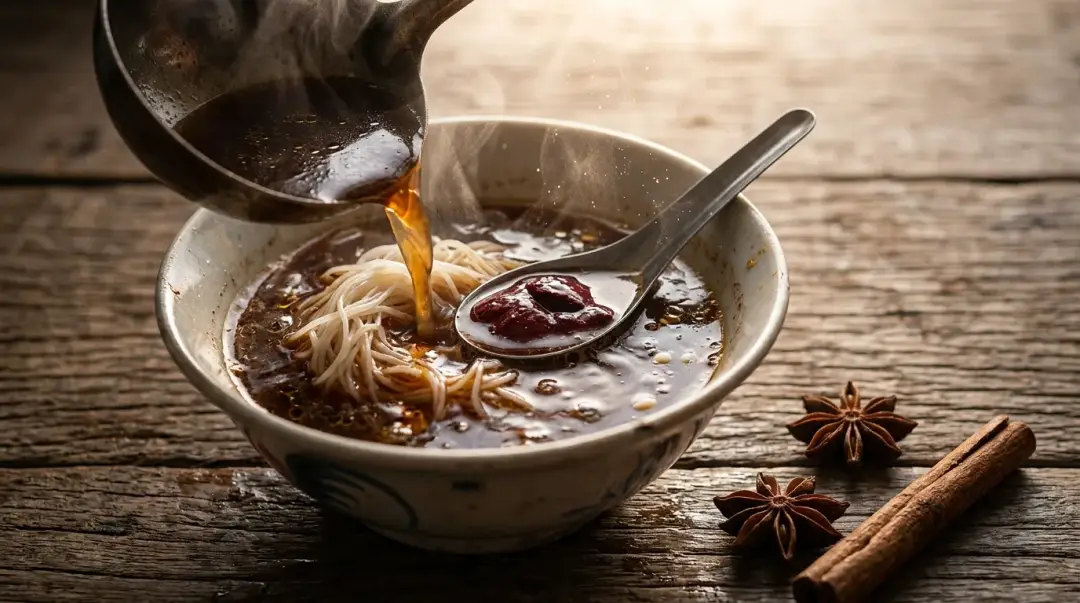
The spice base comes first. Shops simmer beef or pork bones with cinnamon, star anise and other dried spices, along with lemongrass, galangal and lime leaf in many recipes. Pa Ord Noodle in Los Angeles leans on cinnamon and clove. The result smells closer to a Chinese braise than to tom yum.
The seasoning is next. Dark soy, fermented bean curd, salt and pickled garlic go in, and the broth ends up saltier and more concentrated than a big-bowl soup. That makes sense, since each bowl holds only a few spoonfuls.
The blood goes in last. At Sud Yod, one of the Victory Monument shops, the cook puts a splash of fresh pig's blood in the bottom of the empty bowl and ladles boiling broth over it, so it curdles slightly into the soup. Other shops stir it into the pot just before serving. Either way, it thickens the broth into something closer to gravy.
Bangkok Spirit's 2026 guide describes a full meal as 6 to 10 bowls plus pork rinds and a Thai iced tea.
Ways to Order: Broth, Meat and Noodle
A boat noodle shop menu is a short grid of choices, and the order is easy once you know the three variables.
| Choice | Options | What changes |
|---|---|---|
| Meat | Nuea (beef) or moo (pork) | Beef is the older style, deeper and gamier; pork is milder |
| Broth | Nam tok (with blood) or nam sai (clear) | Nam tok is thick, dark and metallic; nam sai is lighter |
| Noodle | Sen lek, sen yai, sen mee, woon sen, or egg noodles | Changes texture more than flavor |
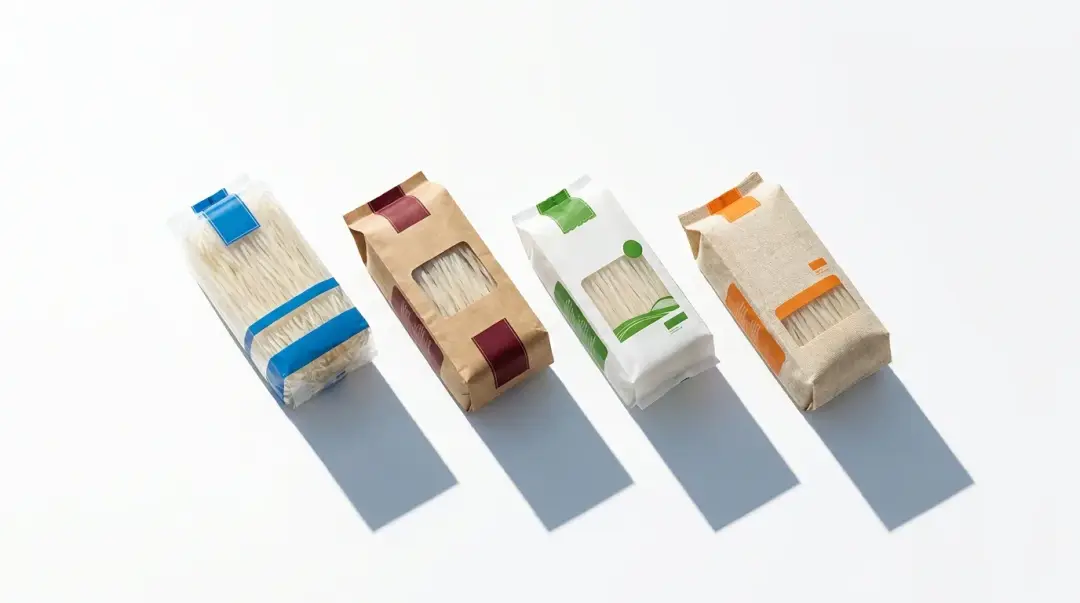
The noodles follow the standard Thai width system. Sen lek is the thin flat rice noodle, about 5mm wide, the same one used in pad thai and the usual pick for boat noodles. Sen yai is the wide flat noodle. Sen mee is fine rice vermicelli. Woon sen is glass noodles made from mung bean starch. Egg noodles (bamee) are often an option too. The rice noodles guide has the full width chart.
Some shops also serve a dry version with the broth on the side. Pata Paplean in Queens lists one, along with boat noodles poured over rice.
How Boat Noodles Are Eaten
In Bangkok, ordering one bowl reads as ordering a single bite. Diners order several at a time and stack the empties as they go, and the height of the stack is part of the meal. Khaosod English describes tables covered in empty bowls by the end of lunch. Pa Yak Boat Noodles on Boat Noodle Alley rewards anyone who finishes 20 bowls with a free Pepsi.
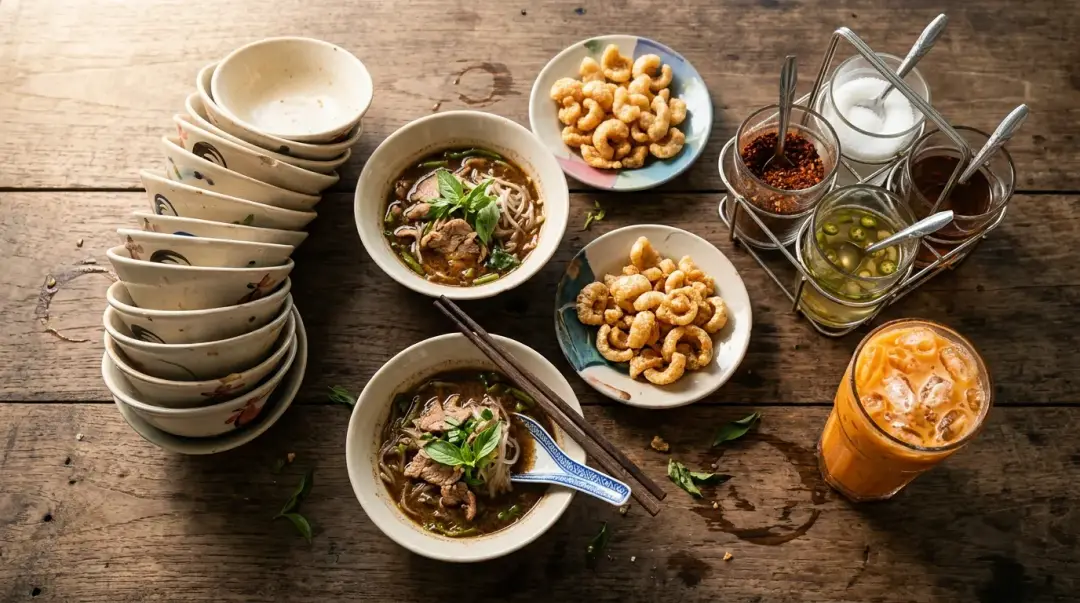
The table carries the usual Thai condiment set: chili flakes, sugar, fish sauce and chilies pickled in vinegar. The broth is already salty, and a spoonful of the vinegar chilies cuts it. Pork cracklings get crumbled over the top or eaten between bowls. Thai iced tea is the usual drink.
Small bowls make it easy to mix: one beef with sen lek, one pork with sen yai, one with woon sen to finish. The small-bowl format invites it.
Where to Find Boat Noodles Outside Thailand

The noodle to buy
Lobo Boat Noodle Soup Meal Kit
The easiest way to get the dark, spiced boat noodle broth at home without sourcing blood or a dozen spices. Add your own beef or pork, liver and greens.
Boat noodles are rare on US Thai menus, far harder to find than pad see ew or pad thai. The places that serve them tend to be small specialists in Thai Town neighborhoods.
In Los Angeles, Pa Ord Noodle at 5301 Sunset Boulevard in Thai Town, is the reference point. The owner, Lawan Bhanduram (the "Pa Ord" of the name), sold boat noodles in Thailand before cooking in Los Angeles for more than 20 years. A 2023 Eat the World LA review describes pork bowls with meat, meatballs, liver and blood in the broth, beef bowls that add tripe and tendon, and a condiment station with pickled peppers and chili paste. The bowl is a full-size portion, not the Bangkok teacup. Nearby, Sapp Coffee Shop at 5183 Hollywood Boulevard is a Thai diner despite the name, and Time Out calls its version some of the best boat noodles in LA.
In New York, Pata Paplean at 76-21 Woodside Avenue in Elmhurst, Queens, is a 20-seat Thai bar whose boat noodles come with pig's blood in the broth, ground pork, a slice of liver and herbs. Elmhurst is often called the city's Thai Town, and the menu is mostly in Thai. Time Out has listed the boat noodles as a weekend-only dish, so check before you go.
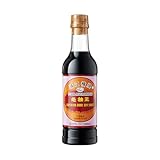
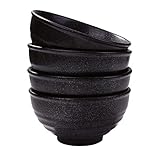
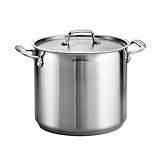
At home, boat noodles are easier to cook than their reputation suggests if you start from a paste. Lobo sells a boat noodle soup kit in the US. Pair it with flat rice sticks (our best rice noodles guide covers the reliable brands), beef or pork, a few meatballs, water spinach and a splash of dark soy. Most home cooks leave out the blood, which makes the result closer to nam sai. A deep stockpot suits the from-scratch route, and a set of small bowls lets you serve the dish at the Bangkok scale.
Boat Noodles vs Pho
The nearest relative most readers know is Vietnamese pho. Both are rice noodle soups built on a spiced beef broth with star anise and cinnamon, and both date to around the turn of the 20th century. In the bowl they have little in common.
Boat noodles vs pho: the same spices, different bowls
| Boat noodles | Pho | |
|---|---|---|
| Origin | Rangsit canal near Bangkok, after 1890 | Northern Vietnam, around 1900 |
| Broth | Dark, salty, thickened with blood and dark soy | Clear, simmered 8-12 hours with charred ginger and onion |
| Bowl size | Teacup-sized; order several | One large bowl |
| Noodle | Sen lek by default; diner chooses | Flat banh pho rice noodles |
| Garnish | Basil, pork cracklings, fried garlic | Plate of fresh herbs, sprouts, lime, chili |
| Seasoning at the table | Vinegar chilies, chili flakes, sugar, fish sauce | Hoisin and sriracha |
Pho broth is clear and long-simmered, while boat noodle broth is reduced, salty and thick with blood. Pho gets its freshness from a plate of herbs added by the diner; boat noodles get theirs from a spoonful of vinegar chilies. Pho is a meal in one bowl, and a bowl of boat noodles is a single round of four or five. If you like the beef brisket and tendon in a good pho, the beef nam tok bowl at Pa Ord is the Thai counterpart to try next. For a coconut-rich soup on the same side of the region, laksa is the other direction entirely.
FAQ
What are boat noodles?
Boat noodles, or kuay teow reua, are a Thai beef or pork noodle soup seasoned with dark soy, warm spices like cinnamon and star anise, and a spoonful of salted pig or cow blood that darkens and thickens the broth. They come in very small bowls, a habit inherited from vendors who sold them from boats on Bangkok-area canals, so diners order several at once.
Why are boat noodles served in such small bowls?
The bowls date from the canal trade. Vendors worked alone from small boats, paddling, bracing a leg against the bank and cooking with both hands, so a big bowl of hot broth would slosh and spill. A small bowl with little soup could be passed across the water safely. Shops on land kept the size, and stacking empty bowls became part of the meal.
Do boat noodles really contain blood?
The traditional version does. Cooks add a little pig or cow blood, salted so it does not clot, to the bowl or the pot, and the boiling broth cooks it on contact. It thickens the soup and adds a dark color and a faintly metallic, savory depth. Thai menus call this style nam tok. Ask for nam sai if you want the clear broth without blood.
Where did boat noodles originate?
The Bangkok Post traces them to the Rangsit Prayoonsak canal, dug north of Bangkok in 1890 under King Rama V. Chinese laborers hired to dig it settled along the banks and sold noodles from boats. The trade spread across the canals of Bangkok and Ayutthaya, then moved ashore as roads replaced waterways and the canals became polluted.
How many bowls of boat noodles should I order?
In Bangkok a full meal runs about six to ten bowls, according to Bangkok Spirit's guide to the Victory Monument shops, usually with pork cracklings and a Thai iced tea on the side. One shop on Boat Noodle Alley gives a free soda to anyone who finishes 20. Restaurants outside Thailand often serve a larger single bowl, so check the menu before ordering a stack.
What is the difference between boat noodles and pho?
Both are spiced beef noodle soups, but pho is a clear Vietnamese broth simmered for hours with charred ginger and onion, served in a large bowl with a plate of fresh herbs. Boat noodles are a darker, saltier Thai soup thickened with blood and dark soy, sharpened with chili and vinegar, and eaten in small bowls.