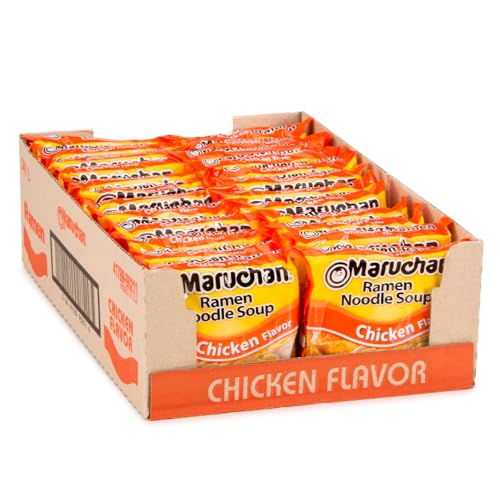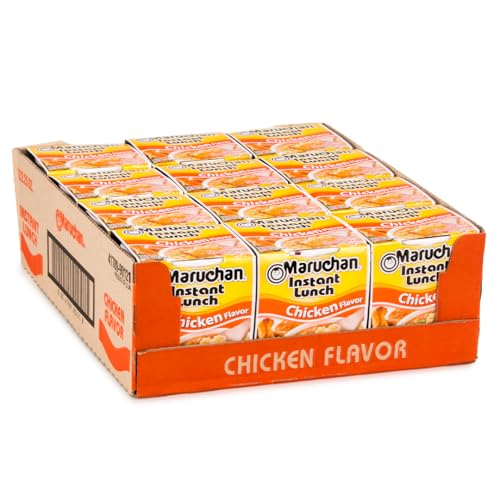
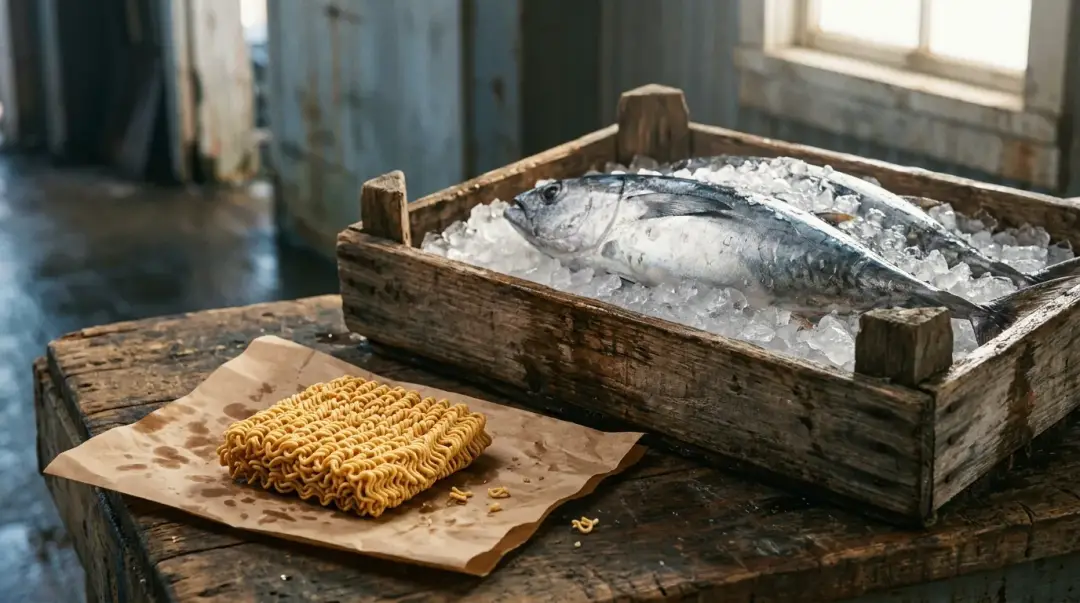
Toyo Suisan started out selling frozen tuna from inside Tokyo's Tsukiji fish market. Seventy years later its noodle brand turns out more than 3.6 billion packages of ramen noodle soup a year, and 69% of Americans recognize the name, according to a Sherwood News analysis of the US instant noodle market. Maruchan (mah-roo-chahn) is the 3 oz block in the 24-count case, the cup in the dorm room and one of the cheapest hot meals on a US grocery shelf.
Who Makes Maruchan
Maruchan belongs to Toyo Suisan Kaisha, Ltd., a Tokyo-listed food company headquartered in Minato ward. Kazuo Mori founded it in March 1953 as Yokosuka Suisan, a frozen-fish exporter working out of Tsukiji. The business took the Toyo Suisan name in 1956, the year it moved into fish ham and sausage, and noodles came five years later. Consolidated revenue for fiscal 2023 (the year to March 2024) was ¥489 billion, about $3.2 billion.
The US is a big slice of that. Sherwood News reports that roughly 29% of Toyo Suisan's sales come from the United States and 46% from the Americas as a whole. Three subsidiaries do the American work: Maruchan, Inc. in Irvine, California, Maruchan Virginia in Richmond, and Maruchan Texas in Von Ormy, outside San Antonio. The Irvine plant alone covers more than 400,000 square feet with six production lines and 482 employees, and the company has planned a 227,000-square-foot expansion with three more lines.
The name is a piece of kid-talk. Maru means round, a shape that reads as friendly in Japanese, and chan is the affectionate suffix added to a child's name.
Japanese Company, American Noodles
People searching "is Maruchan Japanese" usually want to know where the noodles come from. The answer splits in two. Ownership, brand and recipe lineage are Japanese. The product on a Walmart shelf is American: Maruchan's US site describes its range as "made in the USA and found in stores nationwide," and the ingredient panels reflect US sourcing, with canola, cottonseed or palm oil in the noodle and enriched wheat flour fortified with niacin, iron and folic acid.
Japan gets a different Maruchan. Toyo Suisan's home range includes a Shio Ramen whose noodle block lists refined lard, an ingredient the US ingredient lists on Maruchan's site do not include. Treat the two as related catalogs from one parent.
How a Fish Company Got Into Ramen
Noodles arrived in April 1961, when Toyo Suisan began making instant noodles in Japan, three years after Nissin sold the first instant ramen. The Maruchan name followed in May 1962.
America came next. Maruchan USA was set up in 1972, and in 1977 the company opened its Irvine plant and began making noodles on US soil instead of shipping them across the Pacific. Seven years later Maruchan was the official soup of the 1984 Los Angeles Olympics, a sponsorship it still lists in its own company timeline.
Scale followed. Maruchan Virginia opened in Richmond in 1989 to cover the East Coast, a Texas plant came later, and in 2019 the company brought its Gold line to US stores. In 2025 Toyo Suisan announced yet another instant-noodle plant in California.
The Maruchan Lineup on US Shelves
Maruchan's US site lists eight product families. Four of them cover almost everything a typical grocery store carries.
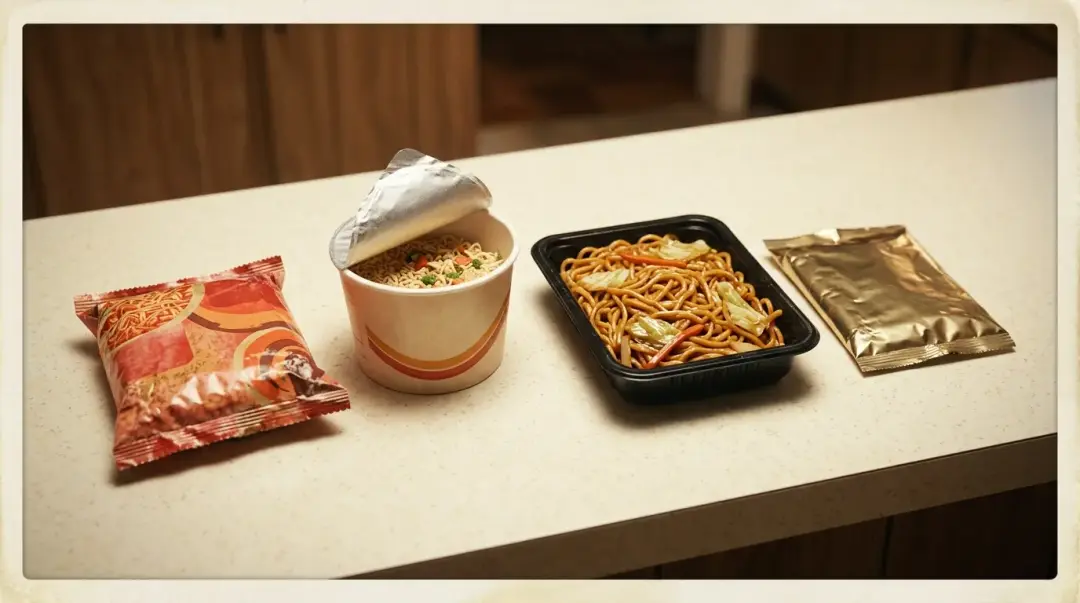
Maruchan's main US product lines (figures from maruchan.com labels)
| Line | Format | Example + net weight | Label calories / sodium | Best for |
|---|---|---|---|---|
| Ramen Noodle Soup | Bag, block + powder packet | Chicken, 3 oz (85 g) | 190 kcal / 760 mg per half block (380 / 1,520 whole) | Cheap base for add-ins |
| Ramen Noodle Soup, Less Sodium | Bag | Less Sodium Chicken, 3 oz | 190 kcal / 560 mg per half block | Salt-conscious packets |
| Instant Lunch | Cup, add hot water | Chicken, 2.25 oz (64 g) | 290 kcal / 1,150 mg per cup | Office and dorm |
| Yakisoba | Microwave tray, no broth | Teriyaki Beef, 4 oz (113 g) | 500 kcal / 1,380 mg per container | A saucy, no-broth meal |
| Gold | Bag, air-dried noodle | Soy Sauce, 3.79 oz (107.5 g) | 180 kcal / 1,090 mg per half pack | Closest to a shop bowl |
The Ramen Noodle Soup pack is the flagship and comes in 14 flavors on Maruchan's site: Chicken, Creamy Chicken, Roast Chicken, Picante Chicken, Beef, Roast Beef, Shrimp, Lime Chili Shrimp, Chili, Pork, Soy Sauce, Fire Spicy Beef and two Less Sodium versions. The noodle is fried, and its ingredient list includes potassium and sodium carbonate, the alkaline salts that Japanese cooks call kansui and that give ramen its spring and yellow tint. Our kansui explainer covers what they do to the dough.
Instant Lunch is the cup: 13 flavors, from plain Chicken to Lime Chili with Shrimp and a Flamin' Hot Chicken flavor. The chicken cup carries dried carrot, corn, green peas, garlic, onion, celery and chive in with the noodles.
Yakisoba (yah-kee-SOH-bah, Japanese stir-fried wheat noodles) is the outlier. Maruchan sells nine flavors as microwavable trays that come out sauced, not in soup, from Teriyaki Beef to Fire Mango Habanero. Teriyaki Beef lists 13 g of sugar per tray, so expect something sweeter than the griddled Worcestershire-style yakisoba sold at Japanese street festivals.
Gold arrived in the US in 2019 with four flavors: Soy Sauce, Spicy Miso, Spicy Tonkotsu (tohn-KOH-tsoo, pork-bone broth) and Spicy Creamy Chicken. Maruchan says the noodles use "advanced air dry technology," and the soy sauce label lists palm oil at under 1% of the noodle, against a fried block in the regular pack. The broth is built with bonito, sardine and almond, all flagged on the allergen line.
The site also lists Bowls, Wonton Ramen, Rice Bowls and a Saucy Noods line.
What to Buy First
Start with a single 3 oz Chicken pack. The Ramen Rater, who has reviewed thousands of instant noodles, gave it 3.5 out of 5 stars in 2022 and called the broth "perfection as can be for an economy pillow pack." It is the baseline everything else in the lineup gets compared to, and it takes an egg, frozen peas and a spoon of chili crisp without complaint. See where it ranks in our best instant ramen guide.
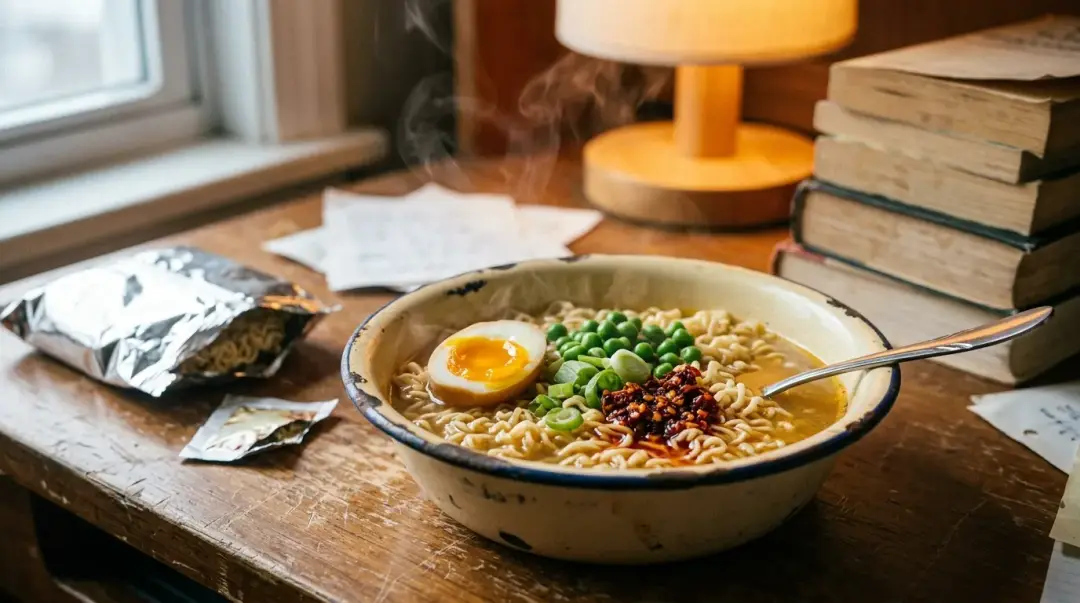
Your second buy depends on what bothered you about the first. If the soup tasted thin, go to Gold Soy Sauce: an air-dried noodle and a broth seasoned with bonito and sardine. If it was too salty, the Less Sodium Chicken pack lists 560 mg per half block instead of 760 mg. If you never want to touch a pot, an Instant Lunch case is the answer, and an electric kettle is all the equipment it takes. For the bagged packs, a 2-quart saucepan holds one block.
Pay attention to the serving line. Maruchan's regular packs print nutrition for half a block with half the seasoning (43 g), so the 190 calories on the panel become 380 when you eat the whole thing. Our ramen calories guide runs that math for Maruchan, Top Ramen and Shin Ramyun side by side, and the low-sodium noodles page lists better options if salt is the issue. Diet notes: Maruchan's consumer affairs team says every US product contains lactose, and the chicken pack lists wheat, soy and milk as allergens.
How Maruchan Compares to Nissin
Nissin is the obvious rival. It invented instant ramen in 1958, makes Top Ramen and Cup Noodles in the US, and fights Maruchan for the same shelf. On paper the two flagship packets are close: both chicken blocks weigh 85 g and come to 380 calories, but Maruchan lists 1,520 mg of sodium for the whole block against 1,590 mg for Top Ramen. Top Ramen also lists egg white, which Maruchan's chicken pack does not.
Maruchan vs Nissin at a glance
| Maruchan | Nissin | |
|---|---|---|
| Parent company | Toyo Suisan (Tokyo, 1953) | Nissin Foods Holdings (Osaka, 1948) |
| First US manufacturing | 1977, Irvine, CA | 1972, Gardena, CA |
| Flagship pack | Ramen Noodle Soup Chicken, 3 oz | Top Ramen Chicken, 3 oz |
| Flagship cup | Instant Lunch, 2.25 oz | Cup Noodles, 2.25 oz |
| Premium line | Gold (air-dried) | RAOH (non-fried) |
For the label-by-label breakdown, texture notes and a verdict for each use, read our Maruchan vs Nissin comparison.
Where to Buy Maruchan in the US
Walmart's listings show the widest spread, with single packs, 12-packs and 24-count cases of the Chicken, Creamy Chicken, Roast Chicken and Soy Sauce packs, 12-packs of Instant Lunch, 8-packs of Yakisoba trays and Gold in singles or 5-packs. Costco Business Center sells Instant Lunch Chicken in 24-cup flats through its same-day delivery service. Maruchan's own site points shoppers to a store locator rather than naming chains.
For Gold and the Saucy Noods line, check the locator before making a special trip. For a broader shelf of Japanese and Korean packs to try next to it, our best ramen noodles guide collects our picks.
FAQ
Is Maruchan Japanese?
Yes. Maruchan is a brand of Toyo Suisan Kaisha, a Tokyo company founded by Kazuo Mori in 1953 as a frozen-fish business. The noodles sold in the US are made in the US, though, by Toyo Suisan subsidiaries in Irvine, California, Richmond, Virginia and Von Ormy, Texas, and the packs say made in the USA.
What does the name Maruchan mean?
It joins two Japanese words. Maru means round or circle, a shape that suggests friendliness in Japanese, and chan is the affectionate suffix used for children and loved ones. Toyo Suisan adopted the Maruchan brand name in 1962, a year after the company started making instant noodles in Japan.
How many calories are in a pack of Maruchan ramen?
A full 3 oz pack of Maruchan Chicken works out to 380 calories. The label lists only half a block with half the seasoning (43 g) as one serving, at 190 calories, 7 g fat and 760 mg sodium, so most people eating the whole block should double every number on the panel.
What are the most popular Maruchan flavors?
Maruchan does not publish flavor rankings, but its US site lists 14 Ramen Noodle Soup flavors, led by Chicken, Creamy Chicken, Roast Chicken, Beef, Shrimp, Lime Chili Shrimp and Picante Chicken. Instant Lunch cups add 13 more, including Hot & Spicy Chicken and Cheddar Cheese. Chicken is the flavor we would buy first.
Is Maruchan vegetarian or vegan?
No. Maruchan's US consumer affairs page says all of its products contain lactose, a milk sugar, so none fit a strict vegan diet. The chicken packet also lists powdered cooked chicken. If you need a plant-based packet, look at the brands in our vegan ramen guide and read the allergen line on the pack you buy.
Where is Maruchan made?
US Maruchan comes from three American subsidiaries of Toyo Suisan: Maruchan, Inc. in Irvine, California, Maruchan Virginia in Richmond, and Maruchan Texas in Von Ormy. The company began US manufacturing in 1977 and opened the Virginia operation in 1989. The packs are labeled as made in the USA.