Specialty Noodles Compared: Keto, GF & Protein
· 6 min read · NoodleDex Editorial
Pick the right specialty noodle for your diet — shirataki for keto, chickpea for protein, Jovial for GF. Macros per 2 oz and brand picks you can trust.
This page contains affiliate links. We may earn a commission at no extra cost to you. Disclosure
On this page(11 sections)
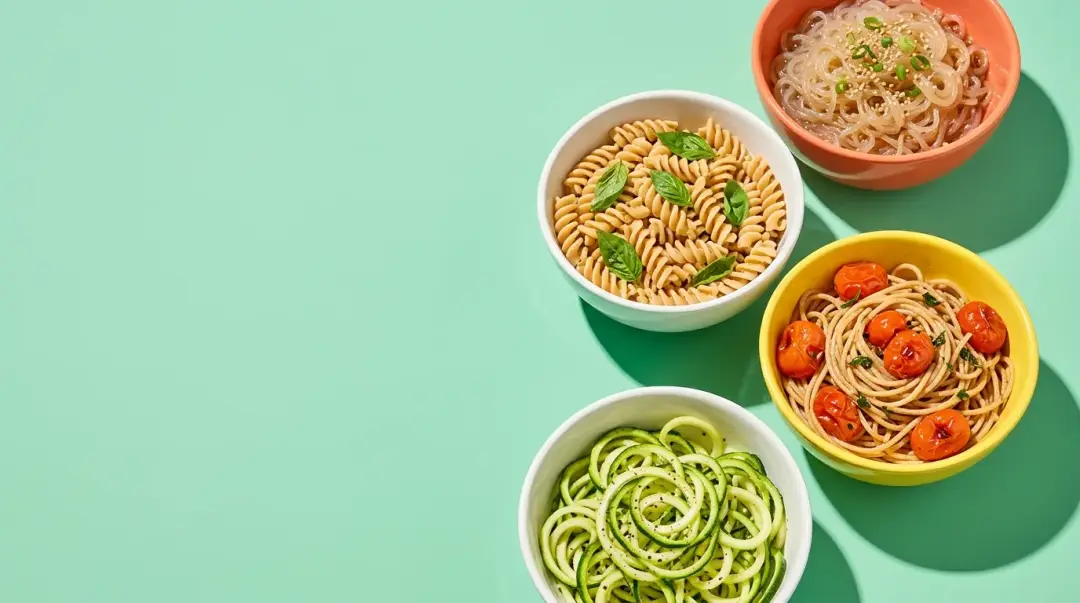
The grocery store calls them all "alternative pasta." They aren't comparable. Shirataki is a water-and-fiber gel from a Japanese yam. Chickpea pasta is dense legume flour with twice the protein of wheat. Zoodles are vegetables shaped like noodles. Pick the wrong one for your goal and you'll either miss the macro you cared about, hate the texture, or both. This guide matches each specialty noodle to the diet it actually serves.
The Headline Difference
Most "specialty noodles" exist to optimize one of three macros: carbs, calories, or protein. Shirataki and palmini win on carbs and calories (near-zero of both) but contribute essentially nothing nutritionally. Chickpea and lentil pasta win on protein and fiber but bring back the carbs. Gluten-free rice pasta is purely an allergen swap — nutritionally it's worse than wheat for blood-sugar control. Knowing which axis you care about turns this aisle from a wall of confusing boxes into a three-row decision.
Side-by-Side: Specialty Noodles by Goal
Specialty Noodles by Goal
| Goal | Best Noodle | Why |
|---|---|---|
| Strict keto / very low-carb | Shirataki | 0-3g net carbs per serving |
| Gluten-free pasta replacement | Chickpea pasta or premium GF brand | Closest to wheat pasta texture |
| High protein | Chickpea or lentil pasta | 14-15g protein vs 7g in wheat |
| Vegetable-forward / paleo | Zoodles or palmini | Whole vegetable base |
| Weight loss (calorie focus) | Shirataki | 5-10 calories per serving |
| Diabetes blood sugar | Shirataki or chickpea pasta | High fiber slows glucose absorption |
| Closest to traditional pasta | Banza (chickpea) or Jovial GF (rice) | Modern formulations are nearly indistinguishable |
Nutrition Per Two-Ounce Dry Serving
Weigh dry pasta on a kitchen scale to hold a 56 g portion; a measuring cup gives a different weight for every shape.
Macros, Side by Side (per 2 oz / 56 g dry, except shirataki and palmini which are sold wet)
| Noodle | Calories | Net Carbs | Protein | Fiber |
|---|---|---|---|---|
| Wheat pasta (Barilla) | 200 | 40g | 7g | 3g |
| Chickpea pasta (Banza) | 190 | 27g | 14g | 8g |
| Lentil pasta (Tolerant) | 180 | 28g | 13g | 7g |
| Rice GF pasta (Jovial) | 210 | 44g | 4g | 2g |
| Shirataki (1 cup, drained) | 5-10 | 0-1g | 0g | 2-3g |
| Palmini (1 cup, drained) | 20 | 2g | 1g | 3g |
| Edamame pasta (Explore) | 180 | 12g | 24g | 13g |
The Diet Match-Up
Strict keto (under 20g carbs/day): Shirataki is the only realistic noodle option. Palmini comes close. Everything else, including chickpea pasta, will spend half your daily carb budget on one bowl.
Lax keto / low-carb (20-50g carbs/day): Shirataki most days, with chickpea pasta on lift days when you can afford the carbs and want the protein.
Gluten-free, no carb concerns (celiac, gluten sensitivity): Banza (chickpea), Jovial (brown rice), Barilla Gluten Free (rice-corn blend), Tinkyada (brown rice). Texture has caught up to wheat on the premium tier — celiac diners no longer have to settle for mushy. For ramen-style bowls, see our best gluten-free ramen guide.
High-protein eating (lifting, recovery, satiety): Banza chickpea is the gateway; Explore Edamame Spaghetti is the protein-maxxed tier at 24g per serving. The protein difference vs wheat is meaningful, not marketing.
Vegan: most specialty noodles are vegan. Verify packaging — fresh "gluten-free" pasta sometimes contains egg.
Whole-food / paleo / Whole30: zucchini noodles (zoodles), spaghetti squash, palmini (hearts of palm). Minimally processed. A countertop spiralizer turns zucchini into strands. The texture is not pasta — accept this and the dishes get easier to plan.
The Diabetic Eating Angle
For diabetes management, the relevant number is glycemic index (how fast a food raises blood sugar) more than carb count alone. Here is what the published figures show:
- Shirataki: no published GI. Konjac noodles carry almost no digestible carbohydrate, so there is little for a GI test to measure.
- Chickpea pasta: GI 39 (low) in a 2024 trial of 12 adults, and 33 after chilling and reheating. The 14g of protein and 8g of fiber per serving blunt the glucose spike.
- Bean-based pastas (lentil, black bean, edamame): no published GI that NoodleDex could find. They share chickpea pasta's high-protein, high-fiber profile.
- Whole wheat spaghetti: GI 48 (low), per the 2008 international tables.
- White wheat spaghetti: GI 49 (low), from the same tables.
- Rice noodles: GI 53 on average (low), but individual tests run from about 40 to 61, which reaches the medium band. No GI has been published for rice-based gluten-free pasta specifically.
The non-obvious finding: gluten-free does not mean lower GI. Rice noodles average a few points higher than wheat spaghetti, and some tests land in the medium range. If you have diabetes and are buying gluten-free, chickpea pasta has the best low-GI data. The glycemic index of noodles guide lists every figure with its source. Per the American Diabetes Association's 2024 standards-of-care guidance, low-GI choices remain a recommended strategy for postprandial glucose control.
Brand Picks Per Category
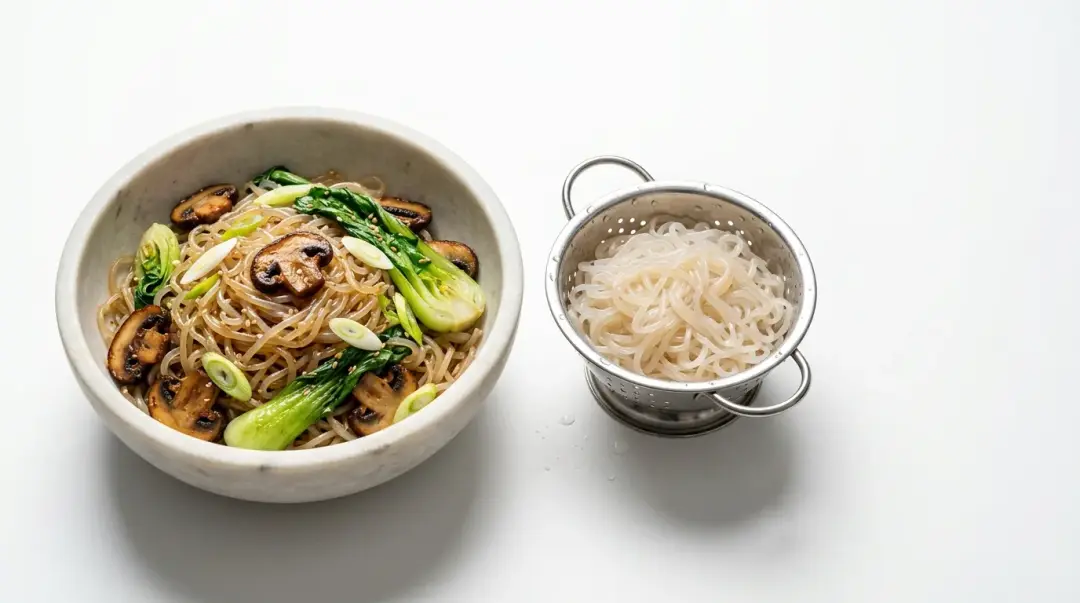
Shirataki: Miracle Noodle (the original US brand, sold wet in pouches). Skinny Pasta (slightly firmer texture). Better Than Noodles (House Foods, available at most grocery chains). All require the same prep: drain hard, rinse 30 seconds in cold water, dry-pan for 2-3 minutes to drive off residual moisture. Skip the prep and shirataki tastes like wet rubber. A fine-mesh strainer makes the drain and rinse easy.
Chickpea pasta: Banza is the category leader and the best texture. Whole Foods 365 makes a private-label chickpea pasta. Eat Banza right at the al dente mark on the box; one extra minute and it goes soft fast.
Lentil pasta: Tolerant (red lentil) is widely available. Modern Table makes lentil-rice blends that hold sauce better than pure lentil.
Edamame/soy pasta: Explore Cuisine Edamame Spaghetti is the protein leader at 24g per serving. Texture is firmer than wheat — almost crunchy if undercooked.
Premium GF wheat-mimics: Jovial brown rice, Tinkyada brown rice, and Barilla Gluten Free (rice-corn-mono). Jovial is the closest to high-end Italian dry pasta. Hearts of palm (palmini): Palmini brand, sold near Asian noodles or canned vegetables. Drain, rinse, soak in milk for 30 minutes to soften the canned tang — a step the company itself recommends.
Texture Reality Check
Specialty noodles do not all replicate wheat pasta equally well. Texture is subjective, and this ranking reflects common descriptions and box cook guidance, not a NoodleDex taste test. It orders how close each gets to passing as pasta:
- Banza chickpea pasta (al dente) — close enough. Slight bean note, otherwise convincing. The category leader for a reason.
- Jovial brown rice fusilli — close. Slightly more delicate than wheat; cook to the lower end of the box's time range.
- Barilla Gluten Free penne — passable. The rice-corn-mono blend holds shape well but has a noticeable corn aftertaste in plain dishes; better with strong sauces.
- Tinkyada brown rice spaghetti — passable. The texture is right; the flavor is mildly rice-forward.
- Tolerant red lentil rotini — distinct legume flavor; works in tomato sauces, less so with cream.
- Explore Cuisine Edamame Spaghetti — protein-dense, firmer than wheat, audibly different. Eaters either love or reject it.
- Shirataki — does not replicate wheat pasta. Treat it as its own product: a fiber gel that takes sauce well, not a pasta swap. Dry-pan after rinsing to remove the wet rubbery feel.
- Zoodles / spaghetti squash — does not replicate wheat pasta. Vegetables shaped like noodles, eat them as such.
- Palmini hearts of palm — does not replicate wheat pasta. Mild tang from the canning liquid; soak in milk 30 minutes before use to neutralize.
If you want pasta texture, choose the premium tier and follow the box's al dente time precisely. Specialty noodles are less forgiving than wheat — one minute over and they're soft, two minutes over and they're falling apart.
When Specialty Noodles Aren't Worth It
For most healthy eaters with no dietary restriction, regular wheat pasta is fine. Specialty noodles cost more, break more easily during cooking, taste less like pasta, and rarely beat well-cooked Barilla on satisfaction. They're worth buying when:
- You have an actual diagnosed condition (celiac, diabetes, lipid issues)
- You're targeting a macro goal (protein, fiber, carb limit) that wheat can't hit
- You're cooking for a household member who needs the swap
They're not worth buying because the box uses the word "clean" or because a wellness influencer told you wheat is the problem. Wheat is rarely the problem.
If You Only Remember One Thing
Pick the noodle to fit the macro you care about: shirataki for carbs and calories, chickpea or edamame pasta for protein, premium rice GF for the celiac-friendly wheat-like texture. Stop treating "alternative pasta" as a single category, because it isn't.
FAQ
What is the best noodle for strict keto?
Shirataki. It carries 0 to 3g net carbs and 5 to 10 calories per serving, while chickpea pasta spends about half a strict keto day's carb budget on one bowl. Palmini comes close.
Which specialty noodle has the most protein?
Explore Cuisine Edamame Spaghetti leads at 24g per 2 oz dry serving. Banza chickpea pasta gives 14g and lentil pasta about 13g, against 7g for wheat pasta.
What is the best gluten-free pasta for celiac diets?
Premium rice-based pastas such as Jovial brown rice, plus Banza chickpea pasta, come closest to wheat texture. Jovial is the nearest to high-end Italian dry pasta; cook it to the low end of the box time.
Is gluten-free pasta better for blood sugar?
Not automatically. Rice noodles average a glycemic index of 53, a few points above wheat spaghetti at 48 to 49, and some tests reach the medium range. Chickpea pasta has the best low-GI data, at 39 in a 2024 trial.
How do you stop shirataki from tasting rubbery?
Drain the pouch hard, rinse it in cold water for 30 seconds, then dry-pan it for 2 to 3 minutes to drive off residual moisture. Skipping that prep leaves a wet rubber texture.
Read Next
Products mentioned in this guide
This section contains affiliate links. We may earn a commission at no extra cost to you.
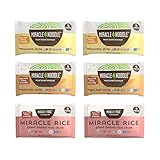
Miracle Noodle Shirataki Variety Pack, Angel Hair and Fettuccine (Pack of 6)
The original US shirataki brand and this page's pick for strict keto. Drain, rinse and dry-pan each pouch before saucing.
View on Amazon
Banza Chickpea Pasta Variety Pack, 8 oz (Pack of 6)
For anyone chasing protein or a gluten-free swap that still eats like pasta. Pull it right at the box's al dente time.
View on Amazon
Jovial Organic Brown Rice Penne Rigate, 12 oz
The premium brown rice pick here for celiac cooks who want wheat-like texture. Cook to the low end of the box range.
View on Amazon
Palmini Hearts of Palm Linguine, 12 oz (Pack of 6)
A vegetable-based option for paleo and low-carb plates. Soak it in milk for 30 minutes first to soften the canned tang.
View on Amazon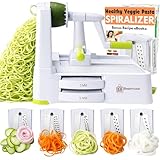
Brieftons 5-blade countertop vegetable spiralizer
Zoodles and other vegetable noodles start with a spiralizer, and a multi-blade model lets you vary the strand width. This listing is a countertop spiralizer with five blades of Japanese 420-grade steel.
View on Amazon
OXO Good Grips 3-piece fine mesh strainer set (3, 6 and 8 inch)
Shirataki needs a hard drain and a 30-second cold rinse, and a fine mesh holds the thin strands. This listing is a nesting set of 3-inch, 6-inch and 8-inch strainers with handles that hook over bowls.
View on Amazon
Etekcity Digital Kitchen Scale, grams and ounces, 11 lb, stainless steel
The macros in this guide are per 2 oz dry serving, and weighing the portion is the only way to hit those numbers. This listing is a digital scale with 1 g readability, a tare function, an 11 lb capacity and a 304 stainless steel platform.
View on Amazon
Browse more related items
Opens Amazon · affiliate links
Buying guides for this topic
- Buying guideBest Shirataki Noodles in 2026House Foods, Miracle Noodle, and Skinny Noodle shirataki ranked. The zero-calorie keto noodle, US Amazon best picks.
- Buying guideBest Gluten-Free Pasta in 2026Banza, Jovial, Tinkyada, Barilla GF — the best gluten-free pasta brands on US Amazon, ranked by texture and use case.
- Buying guideBest Keto Noodles in 2026Shirataki, palmini, low-carb wheat — the best keto-friendly noodle alternatives on US Amazon, ranked.