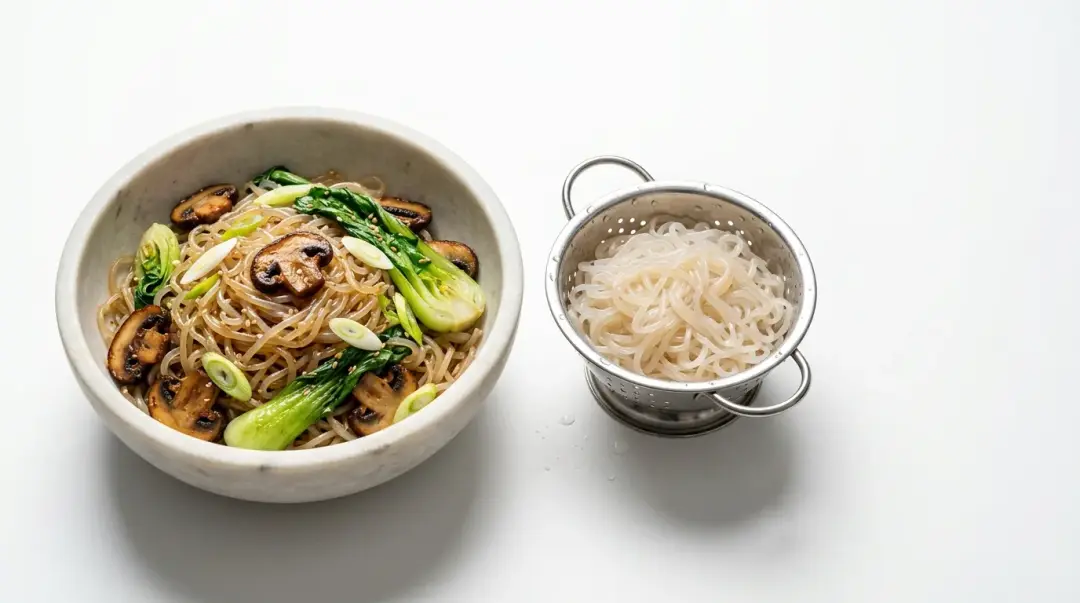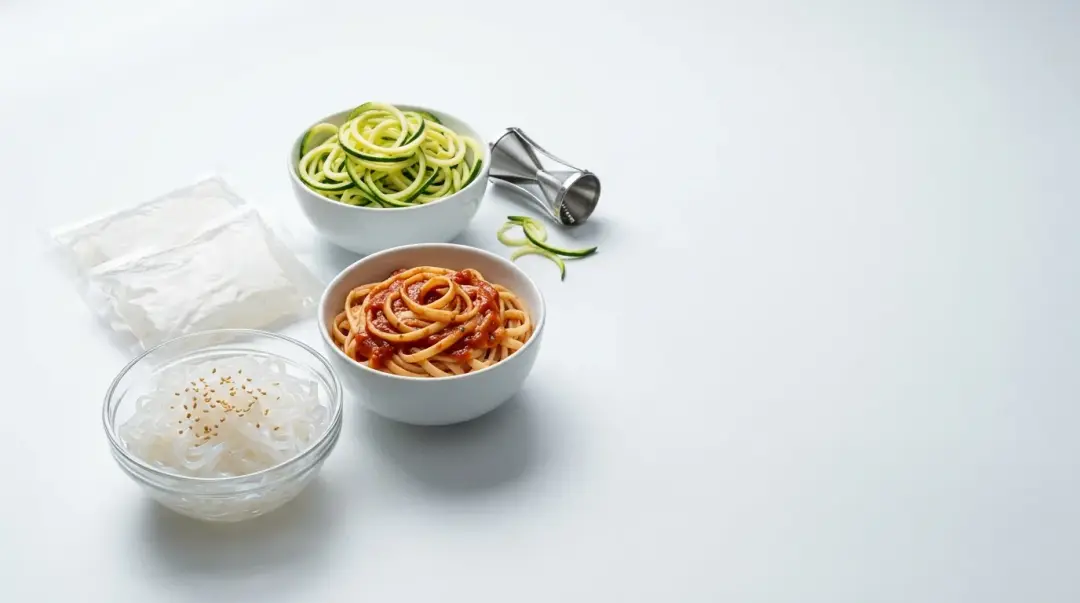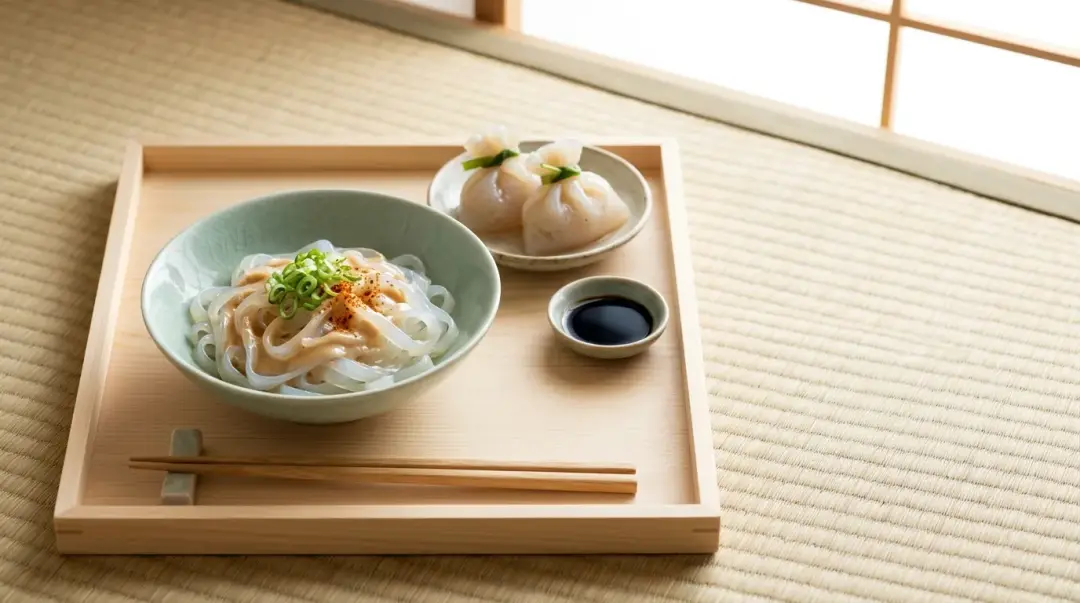


Shirataki (white waterfall) noodles are the keto pantry's secret weapon — translucent strands made from the konjac (Japanese yam) root, near zero calories and zero net carbs. For first-timers, House Foods Tofu Shirataki is the right place to start: the tofu blend softens the rubbery bounce that pure konjac shipments have. The picks below cover beginner, strict-keto, and budget paths.
How We Pick
- We compared shirataki from 7 brands in three formats (spaghetti, fettuccine and rice-style pearls) using ingredient lists, nutrition labels and published reviews.
- We weighted texture heavily. Pure konjac is genuinely off-putting for new eaters; the tofu blends are the gateway product.
- We named the rinse step in every recommendation. Without it, every brand tastes the same — and that taste is faintly fishy.
The Top Pick: House Foods Tofu Shirataki Fettuccine
House Foods is the Japanese-American brand most US grocery shoppers see in the refrigerated produce section, usually next to the wonton wrappers and fresh tofu. The 8-oz packets ship in liquid and sit on the shelf at most Whole Foods, Sprouts, and Wegmans locations. The 10-pack on Amazon is the restock format for anyone eating shirataki a few times a week.
This version wins because it's not pure konjac. House Foods blends konjac flour with tofu, which adds a small protein contribution (around 3 g per packet) and breaks up the rubbery snap pure konjac shipments have. The Fettuccine cut is the right shape for cream-based sauces (alfredo, carbonara-style) and Asian wide-noodle dishes — wider strands carry sauce better than the spaghetti cut. Net carbs land around 3 g per serving, still strict-keto friendly.
The trade-off: a packet has roughly 20 calories versus a "true zero" pure-konjac brand. Outside a competitive bodybuilding cut, the calorie difference is irrelevant and the texture upgrade is the right move.

House Foods Tofu Shirataki Fettuccine
House Foods tofu-konjac blend — adds ~3g protein per pack and softens the rubbery snap that pure-konjac shipments have
Best Budget: Skinny Noodle Konjac Pasta
The 6-pack on Amazon US is the cheapest reliable shirataki online. Pure konjac, true zero calories, true zero net carbs. The texture is the classic rubbery konjac chew; the brand is workable for daily eating once you've made peace with what shirataki actually feels like.
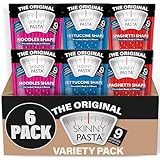
SKINNY PASTA Variety Pack
Cheapest shirataki on US Amazon
Best Splurge: Miracle Noodle Variety Pack
Miracle Noodle pioneered the US shirataki market in the early 2000s and still produces the widest shape range — spaghetti, fettuccine, angel hair, ziti, and rice-format pearls. The variety pack comes as 6 packs on Amazon. Buy this when you want to swap a specific pasta shape (penne arrabbiata, fettuccine alfredo) and the noodle silhouette matters.
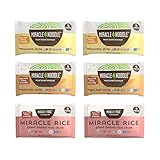
Miracle Noodle Variety Pack
Pure konjac — true zero-calorie
Best for Beginners: House Foods Tofu Shirataki Fettuccine
The same pick as Top, and it's not an accident. If you've never eaten shirataki, the tofu-blend version is the only one that won't make you swear off the category. Start here, eat it three or four times, then decide whether you want to try pure konjac for stricter macros.
What to Look For
- The ingredient list ends at konjac flour, water, and calcium hydroxide. Anything else (gums, fillers, "natural flavor") signals a lower-quality processor.
- Liquid-packed in pouches, not dry. Shirataki is sold wet for a reason — the noodles need their hydration to hold structure.
- A faint fishy or earthy smell on opening. That's normal. It's the konjac itself. Rinses out completely in 60 seconds.
- A "tofu" or "konnyaku-blend" label if you're new. Pure konjac is the strict-keto path; tofu blend is the approachable path.
- No added sugar in the seasoning, if the product is pre-flavored. Most pre-flavored shirataki defeats the keto purpose.
Common Mistakes
- Skipping the rinse. Every brand ships in liquid that smells slightly fishy. Drain, rinse under cold water for 60-90 seconds, then dry-fry in a hot pan for 2-3 minutes before saucing. Without this step, the bowl will read off.
- Treating shirataki like wheat pasta. It doesn't absorb sauce the same way. Reduce your sauce more aggressively, or toss with a heavier emulsion (butter, cream, sesame paste) so the strands carry flavor.
- Boiling instead of dry-frying. Konjac releases moisture as it heats. Boiling adds water. Dry-frying removes water. The pan method gives a chewier, drier noodle.
- Expecting it to taste like spaghetti. It doesn't. It tastes like the sauce you put on it, with a slight glassy chew. That's the deal.
- Buying flavored shirataki "kits" with included sauces. The sauces are usually overly salty and add net carbs the unflavored version doesn't have.
FAQ
Is shirataki actually zero calories?
Pure konjac is essentially zero — the FDA lets brands round to zero when calorie counts are under 5 per serving. Tofu-blend versions run 15-20 calories per packet.
Is shirataki safe to eat daily?
Yes, with one caveat. Konjac is mostly glucomannan (soluble fiber), which can cause bloating or GI discomfort if you suddenly eat large quantities. Start with one packet and ramp up.
Does shirataki need to be cooked?
Technically no — the noodles ship pre-cooked. But raw shirataki has the off-smell and a slick texture. Always rinse, then dry-fry or simmer in broth for 2-3 minutes.
Can I store leftover shirataki?
Yes, in an airtight container in the fridge for 3-5 days. The texture stays the same; flavors absorb better after a night in sauce.
What's the difference between shirataki and konnyaku?
Both come from the konjac plant. Shirataki is the noodle form; konnyaku is the firm block form used in Japanese stews. Same ingredient, different shape.