Shirataki Noodles: What They Are & How to Cook Them
· 9 min read · NoodleDex Editorial
Shirataki noodles explained: why the bag smells fishy, what konjac is, the rinse-boil-dry-fry fix, label calories and carbs, and who should go slowly on them.
This page contains affiliate links. We may earn a commission at no extra cost to you. Disclosure
Start With the Bag
Cut open a pouch of shirataki over the sink and two things happen at once. Cloudy liquid runs out around a tangle of glassy, gray-white strands, and a smell comes up that is usually described as fishy, or like low tide. It is easy to assume the pack has gone off, but a fresh bag opens this way.
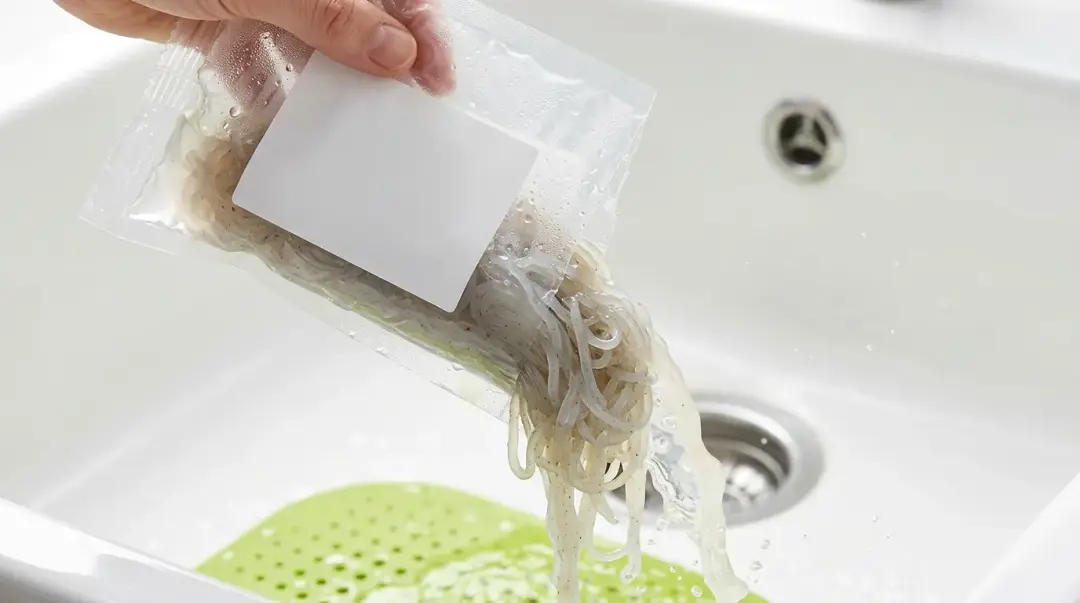
The liquid is packing water, and in many brands it is alkaline. Shirataki is set the old way: konjac paste is mixed with calcium hydroxide (food-grade limewater), which turns it into a firm gel, and in eastern Japan the paste is pushed through small holes into a hot, concentrated lime solution to form the strands. House Foods lists calcium hydroxide right on its Tofu Shirataki ingredient line. Konjac flour also has a fishy smell of its own, and the alkaline water holds onto it. House Foods puts it simply: the odor comes from compounds naturally present in the konjac plant.
Not every bag is the same. Miracle Noodle's pure konjac line lists water, konjac flour and citric acid, and the brand describes the smell as "a faint mineral scent" from the packing water. Read the ingredient list to see which kind you bought; the cleanup is identical either way.
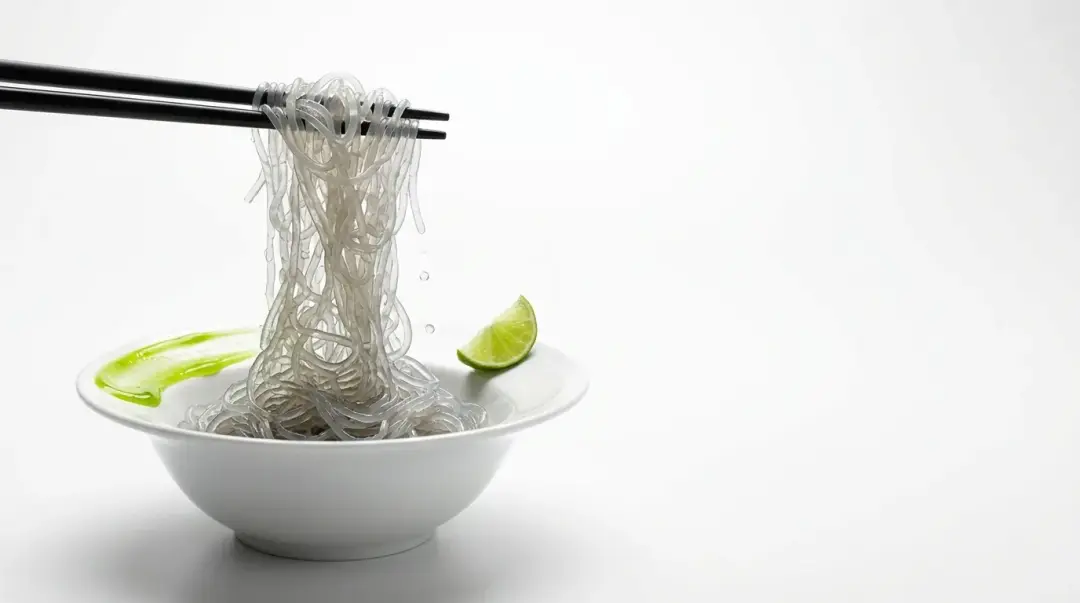
Pick up a strand. It is cool, slippery and springy, with a bite somewhere between a rubber band and firm jelly. The name fits the look: shirataki means "white waterfall."
What Konjac Actually Is
Konjac is Amorphophallus konjac, a plant in the arum family native to China. The part people eat is the corm, an underground stem that grows up to 25 cm across. The raw plant is toxic, which is why its long history in Japanese and Chinese cooking runs through boiling and alkaline treatment.
What makes it useful is glucomannan (gloo-ko-MAN-an), a water-soluble fiber that makes up about 40% of the dried corm. Glucomannan swells in water and forms a gel, and the calcium hydroxide step locks that gel so it holds its shape through cooking. The finished noodle is roughly 97% water and 3% konjac.
In Japan the block form is konnyaku (kohn-NYAH-koo), a gray, faintly salty slab often flecked with seaweed. Shirataki is the same material in strands. Western Japan has its own version, ito konnyaku ("thread konnyaku"), cut from a block instead of extruded, so the strands are thicker, darker and square in cross-section. More than 90% of Japan's domestic konjac comes from Gunma Prefecture, northwest of Tokyo. On EU ingredient lists, the same plant appears as food additive E425.
The 3-Step Fix: Rinse, Boil, Dry-Fry
Shirataki comes fully cooked. Everything you do before the sauce removes smell and water.
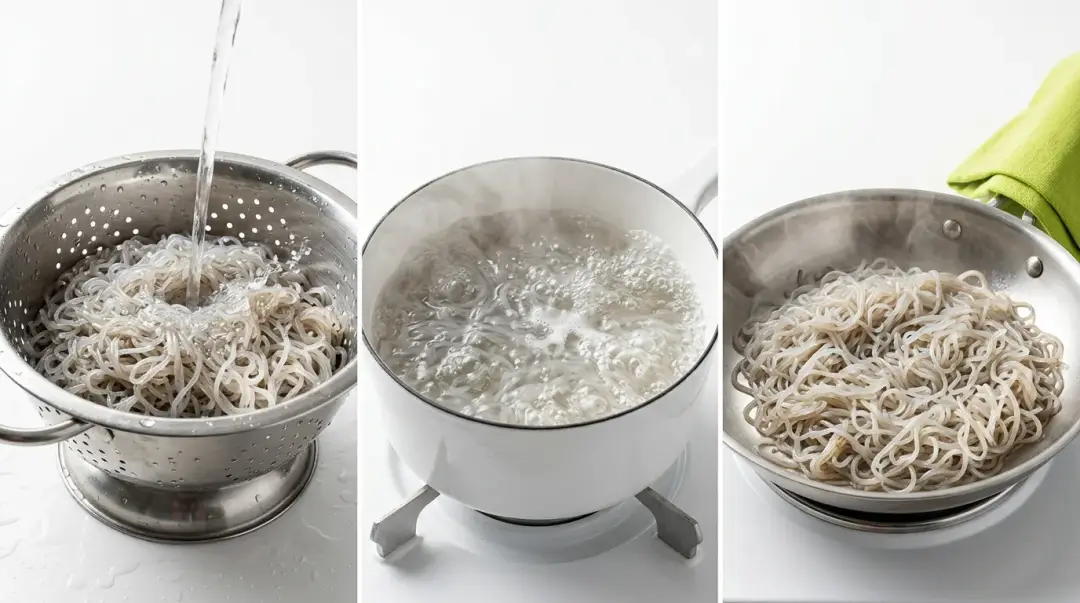
- Rinse. Drain the pouch in a colander and run the noodles under the tap for about 90 seconds, the time Miracle Noodle recommends, lifting them with your fingers so water reaches every strand. House Foods calls for running hot water. If the strands are long, snip them with kitchen scissors now; they are slippery enough to be hard to eat at full length.
- Boil. Drop them into boiling water. House Foods says 2 to 3 minutes. Japanese home cooks do the same before sukiyaki: Just One Cookbook boils them for 2 minutes once the water returns to a boil, and blanches them for 1 minute before nikujaga, both to remove the odor. If you are short on time, House Foods also allows 1 minute in the microwave.
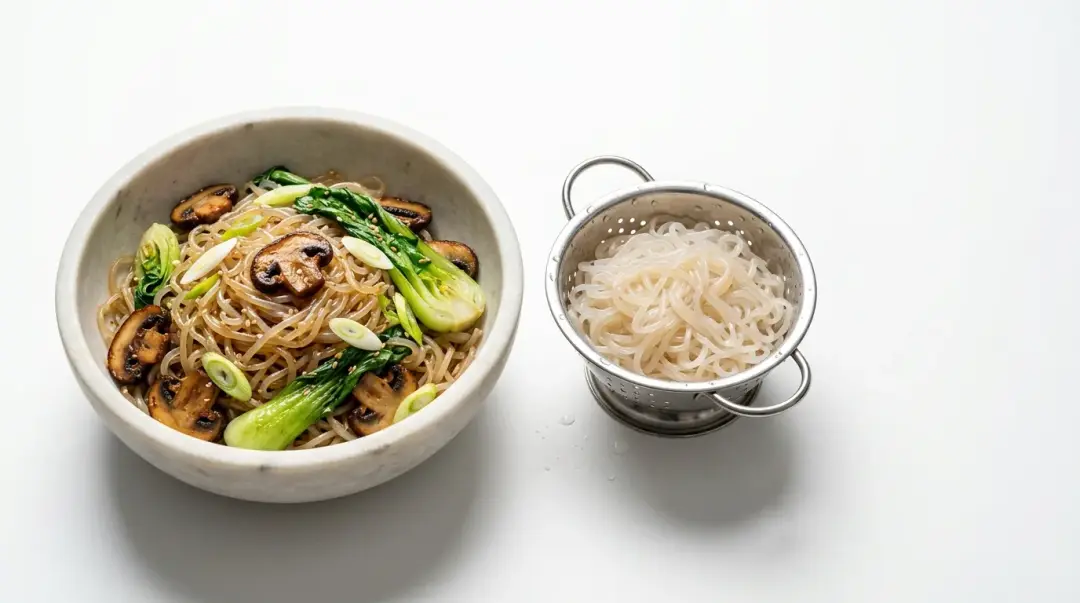
- Dry-fry. Drain, pat dry, then put the noodles in a hot pan with no oil over medium-high heat. Toss them until steam stops rising, about 5 minutes by House Foods' count. The noodles squeak against the pan and turn slightly less glassy when they are ready.
A fine-mesh strainer handles the rinse, and a heavy skillet such as cast iron suits the dry-fry. Then add sauce and let the noodles sit in it over heat for a minute or two. Shirataki takes on flavor slowly, and the dry-fry step is what keeps the sauce from turning watery. Our shirataki type page has pairing ideas by cuisine.
Shirataki vs Tofu Shirataki
The shelf splits into two products that share a name and very little else in the pan.
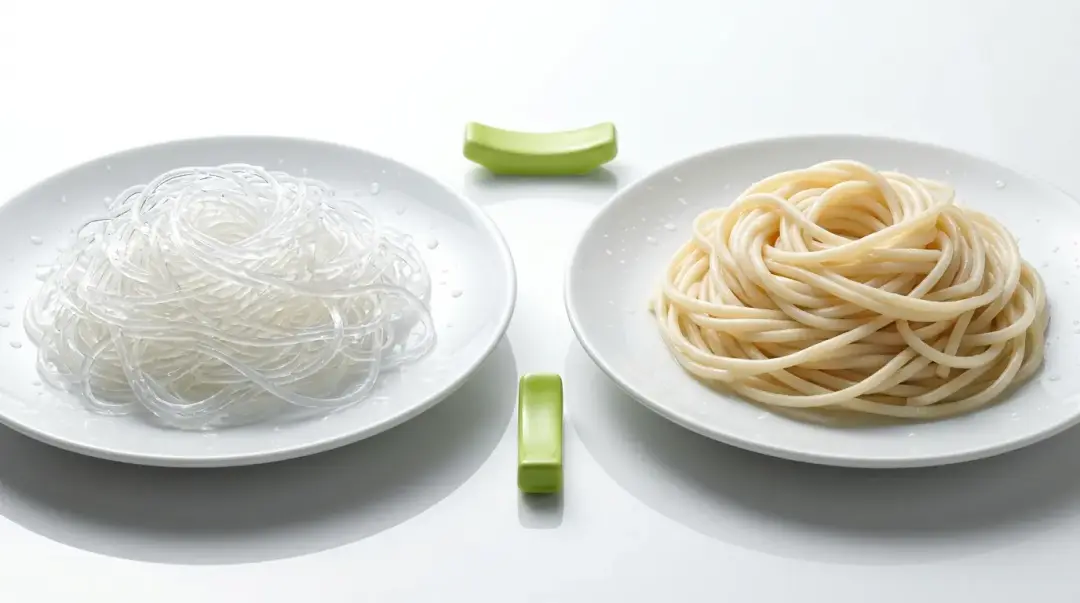
Pure konjac shirataki is konjac and water. It is glassier, chewier and closer to the Japanese original. Miracle Noodle is the familiar shelf-stable brand.
Tofu shirataki blends soybeans into the konjac. House Foods makes the version most shoppers find first, in the refrigerated case at Whole Foods, Sprouts and Wegmans. The tofu softens the bite toward al dente pasta and adds a little protein and a few calories.
Two common shirataki products, per manufacturer labels
| Miracle Noodle Angel Hair (pure konjac) | House Foods Tofu Shirataki Spaghetti | |
|---|---|---|
| Label serving | 1 serving (about 2 per bag) | 1 bag, 226 g |
| Calories | 5 | 20 |
| Net carbs | 1 g | 2 g |
| Protein | 0 g | 2 g |
| Ingredients | Water, konjac flour, citric acid | Water, soybeans, konjac flour, calcium hydroxide, glucono delta lactone, calcium sulfate |
| Storage | Shelf-stable unopened | Refrigerated |
| Allergens in ingredients | None | Soy |
| Texture | Glassy, springy, very chewy | Softer, more pasta-like |
If the rubber-band bite is what put you off shirataki, try tofu shirataki before giving up on the category. If you want the lowest possible numbers, or you avoid soy, buy pure konjac. Our best shirataki roundup compares the main brands and shapes, including konjac rice.
Calories, Carbs and the Fiber
On the label, shirataki is close to nothing. Miracle Noodle lists 5 calories and 1 g net carbs per serving. A full 226 g bag of House Foods Tofu Shirataki lists 20 calories, 6 g carbohydrate, 4 g fiber, 2 g net carbs, 2 g protein and 30 mg sodium. That is why shirataki anchors our lowest-carb noodles ranking: most of the carbohydrate it does contain is fiber.
The fiber itself has regulatory backing. On January 10, 2020, the FDA granted a citizen petition to count glucomannan as a dietary fiber on US nutrition labels, after finding that glucomannan can help reduce blood cholesterol. In Europe, EFSA has allowed a weight-loss claim for glucomannan since 2010, tied to overweight adults on a calorie-restricted diet, though later reviews have found the weight-loss evidence weak. A bag of noodles is a food, not a supplement dose; the amount of glucomannan per serving varies by brand, and most labels do not state it.
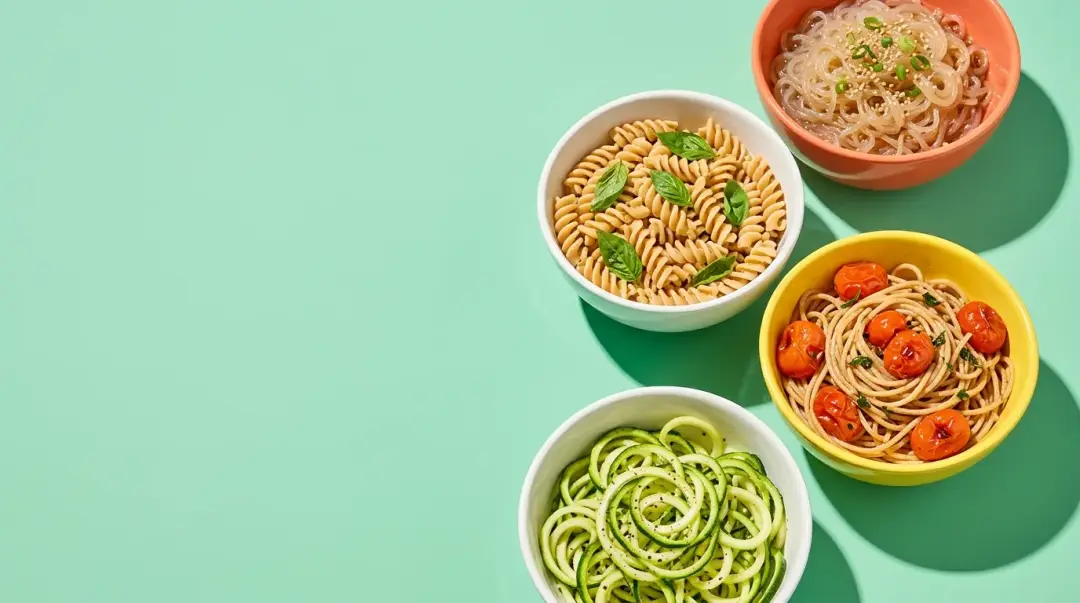
The label also shows what is missing. Pure konjac lists 0 g protein and essentially no fat. On a keto or low-carb plan it works as a vehicle for the parts of the meal that bring nutrition, such as meat, eggs, tofu and vegetables. For other options in the same lane, see our best keto noodles.
Shirataki is also free of wheat and egg, so it works for gluten-free cooking. Some products carry certified gluten-free marks (House Foods' Tofu Shirataki does); check the label of the bag you buy, since certification varies by brand and market.
Who Should Go Slowly
For most people, the main issue is digestive. Glucomannan is a lot of soluble fiber in a small package, and reported side effects include bloating, gas, diarrhea and constipation. House Foods prints a reminder that excessive consumption of any dietary fiber can lead to digestive issues. If you rarely eat high-fiber food, start with half a bag alongside other food, drink water with the meal and see how you feel the next day.
The more serious warnings about konjac are about other products. Glucomannan supplement tablets can swell if they lodge in the throat and block it, which is why sources such as WebMD advise taking them with a full glass of fluid and suggest powder or capsules instead. Health Canada advises at least 250 ml (8 oz) of water per dose. Separately, small cup-shaped konjac fruit jellies caused choking deaths; the FDA issued warnings about them in 2001, and the EU and Australia banned them. Shirataki noodles are a different format, but the same caution applies to anyone who has trouble swallowing: cut the noodles short and chew them well.
If you have a medical condition, take medication, or are managing blood sugar, ask your doctor or dietitian before adding a lot of glucomannan to your diet. This page is general information only, not medical advice.
How Japan Cooks It
Japanese cooks use shirataki as an everyday ingredient, mostly in simmered dishes that give it time to take on flavor.
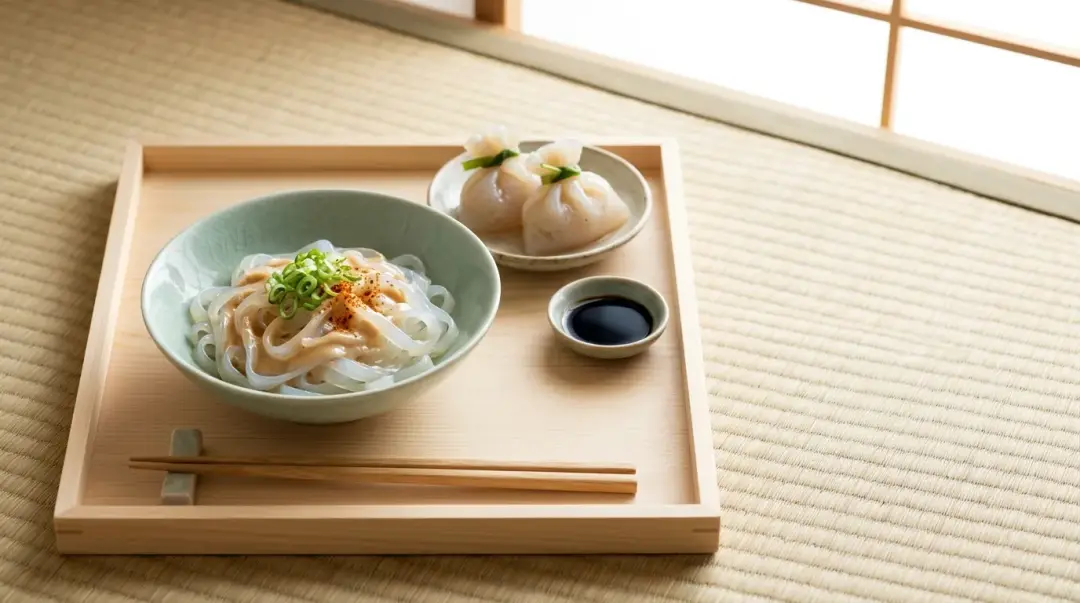
Sukiyaki (skee-YAH-kee) is the best-known use. Thin-sliced beef, tofu, green onion and napa cabbage simmer in warishita, a sauce of soy sauce, sake, mirin and sugar, and bundles of shirataki soak it up at the edge of the pan. Nikujaga (nee-koo-JAH-gah), "meat and potatoes," is a home-style stew of thinly sliced beef or pork, potatoes and onions in sweet soy broth, with blanched shirataki added to the pot. Shirataki also goes into nabe (hot pots), and konnyaku blocks are a standard item in oden, the winter simmer of fish cakes and daikon.
Each of these dishes uses shirataki to carry a sweet soy broth and add chew and bulk without adding much flavor of its own, which is also why it adapts to Western low-carb cooking. Cook it the way these recipes do: in something well seasoned, for long enough to soak it up.
Common Mistakes
- Skipping the rinse. The packing water holds the smell, and the first bite tastes like the bag. Fix: rinse for a full 90 seconds under running water, moving the strands with your hands.
- Treating the boil as optional when the smell bothers you. Rinsing removes most of it; a short boil removes the rest. Fix: 2 minutes in boiling water, the same step Japanese cooks use before sukiyaki.
- Adding sauce to wet noodles. Shirataki carries water into the pan and thins any sauce. Fix: pat dry and dry-fry in a hot, oil-free pan until the steam stops.
- Expecting wheat-pasta flavor in a simple dish. Shirataki has almost no taste of its own, so a light olive oil and garlic sauce leaves the plate bland. Fix: use sauces with body, such as sukiyaki-style soy, peanut, sesame, curry or a meaty tomato sauce.
- Eating a double portion on day one. That much fiber at once can mean bloating. Fix: start with half a bag and build up.
- Freezing leftovers. Freezing ruins the texture; Just One Cookbook calls frozen shirataki inedible. Fix: store opened noodles covered in water in the fridge, and keep unopened pouches somewhere cool and dark.
- Using one brand's shortcut on another. House Foods allows 1 minute in the microwave for its tofu shirataki; Miracle Noodle says not to microwave its noodles plain. Fix: read the pouch, and when in doubt, boil.
FAQ
What are shirataki noodles made of?
Konjac flour and water, set into a gel. Konjac is the starchy corm of Amorphophallus konjac, and its main fiber is glucomannan. The finished noodle is about 97% water and 3% konjac. Many brands also list calcium hydroxide, the alkaline setting agent. Tofu shirataki adds soybeans to the same base for a softer texture.
Why do shirataki noodles smell fishy?
Konjac flour has a fishy smell of its own, and the noodles sit in alkaline packing water that carries it. The smell belongs to the liquid and the surface, not the noodle's flavor. Drain the bag, rinse for about 90 seconds, boil for 2 minutes and dry-fry in a hot pan. After that the odor is gone.
How do you cook shirataki noodles?
They are already cooked, so the job is cleanup and drying. Drain the packing liquid, rinse under running water, then boil for 1 to 3 minutes or microwave for 1 minute. Pat dry and toss in a dry, hot pan until steam stops rising. Then add sauce and let them simmer in it for a minute or two.
Are shirataki noodles healthy?
They are very low in calories and digestible carbs: Miracle Noodle's label lists 5 calories and 1 g net carbs per serving, and a House Foods Tofu Shirataki bag lists 20 calories. Their fiber, glucomannan, is recognized by the FDA as a dietary fiber that can help reduce blood cholesterol. They supply almost no protein, so build the rest of the plate around them.
Can shirataki noodles upset your stomach?
They can if you eat a lot at once or are not used to much fiber. Reported effects of glucomannan include bloating, gas, diarrhea and constipation, and House Foods warns that excessive dietary fiber can cause digestive issues. Start with half a bag, chew well, and drink water with the meal.
Do shirataki noodles need to be refrigerated?
Depends on the brand. House Foods Tofu Shirataki is sold in the refrigerated case next to tofu. Pure konjac brands such as Miracle Noodle are shelf-stable until opened. Once opened, store leftovers covered in water in the fridge. Never freeze shirataki, since freezing ruins the texture.
Read Next
Products mentioned in this guide
This section contains affiliate links. We may earn a commission at no extra cost to you.

House Foods Tofu Shirataki Spaghetti (10 bags, 8 oz each)
Tofu shirataki is the softer, more pasta-like option on this page. Try it first if the rubber-band bite of pure konjac put you off.
View on Amazon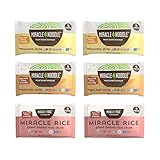
Miracle Noodle Variety Pack, Angel Hair and Fettuccine (Pack of 6)
Pure konjac noodles with the 5-calorie label from the table above. They are shelf-stable and soy-free; rinse for 90 seconds before dry-frying.
View on Amazon
House Foods Tofu Shirataki Fettuccine (10 bags, 8 oz each)
The wider cut holds a thick sauce better than spaghetti. Pair it with peanut, curry or a meaty tomato sauce, as the mistakes section suggests.
View on Amazon
OXO Good Grips 3-Piece Fine Mesh Strainer Set (3, 6 and 8 inch)
Every shirataki bag starts with draining and a 90-second rinse, and fine mesh keeps short snipped strands in the strainer. This listing is a nesting set of three fine mesh strainers in 3, 6 and 8 inch sizes.
View on Amazon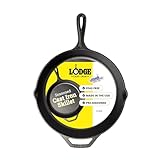
Lodge 12-Inch Pre-Seasoned Cast Iron Skillet, PFAS-Free
The dry-fry step needs a pan you can run hot with no oil until the steam stops, and cast iron does that on a stovetop. This listing is a 12-inch pre-seasoned Lodge skillet, made in the USA.
View on Amazon
Browse more related items
Opens Amazon · affiliate links
Buying guides for this topic
- Buying guideBest Shirataki Noodles in 2026House Foods, Miracle Noodle, and Skinny Noodle shirataki ranked. The zero-calorie keto noodle, US Amazon best picks.
- Buying guideBest Keto Noodles in 2026Shirataki, palmini, low-carb wheat — the best keto-friendly noodle alternatives on US Amazon, ranked.
- Buying guideBest Gluten-Free Pasta in 2026Banza, Jovial, Tinkyada, Barilla GF — the best gluten-free pasta brands on US Amazon, ranked by texture and use case.