

- Best overall: Zojirushi NS-TSC10 5.5-cup micom
- Best for beginners and dorms: Zojirushi 3-cup rice cooker/steamer
- Best induction: Zojirushi NP-HCC10
- Best for a bigger family: Cuckoo CR-0675FW (6-cup uncooked)
- Best for batches: Aroma ARC-980SB (20 cups cooked)
This is a research-based guide. We did not cook with these cookers for this page; we compared the manufacturer specifications and listing details on each product. Links to Amazon are affiliate links, and NoodleDex earns a commission on qualifying purchases at no cost to you.
Which Rice Cooker Is Best for Noodle and Rice Meals?
The answer depends on how you eat. A household that cooks Japanese short-grain rice a few times a week wants a micom or induction cooker. A household that makes Korean rice for bibimbap and kimbap wants a model with a sticky or scorched-rice setting, so check the programs on the listing. A student with a shelf and one burner wants a 3-cup cooker. Match the cooker to the meal, and the rest is detail.
Noodles are the reason this page is on a noodle site. Rice and noodles share a table in most of the cuisines we cover: Korean ramyeon (instant noodles) with a bowl of rice to finish the broth, Japanese udon with a rice ball, a pot of rice with a spread of banchan (small Korean side dishes). A rice cooker takes one pot off the stove so the burner is free for the noodles.
| Need | Pick | Capacity |
|---|---|---|
| Best overall | Zojirushi NS-TSC10 (micom) | 5.5 cups uncooked |
| Best for beginners | Zojirushi 3-cup cooker/steamer | Up to 3 cups |
| Induction | Zojirushi NP-HCC10 | 5.5 cups |
| Micom with Tacook plate | Tiger JAX-T10U | 5.5 cups uncooked |
| Larger micom | Cuckoo CR-0675FW | 6 cups uncooked |
| Batches | Aroma ARC-980SB | 10 cups uncooked, 20 cooked |
| Multi-cooker | Instant Pot Duo 8-quart | 8 quarts |
| No electricity | Kamado-san donabe | Check the size on the listing |
Micom vs Induction vs Pressure vs Basic
Four kinds of cooker cover the market, and the difference is how they control heat.
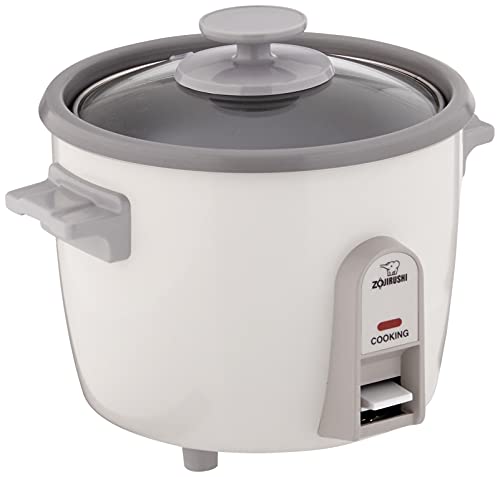
Basic cookers have one switch. The heating plate runs until the pot is dry, then the cooker flips to warm. The compact Zojirushi 3-cup model works this way, with one-touch operation and automatic keep-warm. It makes good white rice and costs you no learning time.
Micom cookers use a microcomputer to adjust heat through the cycle. The Zojirushi NS-TSC10, the Tiger JAX-T10U and the Cuckoo CR-0675FW are all micom. Cuckoo describes its model as micom fuzzy logic, with 10 cooking modes. The practical gains are a timer, a quick setting and a menu for different rice types.
Induction cookers heat the inner pot directly with a magnetic coil rather than from a plate underneath, which gives the cooker finer control. The Zojirushi NP-HCC10 is the induction pick here, with multiple cooking settings and a 24-hour timer. It is rated at 1,230 W.
Pressure cookers raise the boiling point inside the pot, so rice cooks at a higher temperature; makers say this gives softer, stickier grains. Korean brands such as Cuckoo sell pressure rice cookers, though the Cuckoo on this page is a micom model. The Instant Pot Duo is an electric pressure cooker with a rice function, not a dedicated rice cooker.
Choose basic for a small budget and short-grain rice only on occasion. Choose micom if you cook rice weekly. Choose induction if you want the best heating method.
How Big: Cups, "Go" and Who It Feeds
Rice cookers count in rice cups, and a rice cup is not a US cup. The standard is the gou (go, 180 ml), a traditional Japanese measure. A US measuring cup is about 240 ml. A cooker labeled 5.5 cups holds 5.5 of the 180 ml cups, which matches its 1.0 L capacity. The Cuckoo's 6 cups match its 1.08 L.
Labels differ by brand. Zojirushi, Tiger and Cuckoo give an uncooked figure. The Aroma ARC-980SB lists 20 cups cooked and 10 cups uncooked, so a listing that says 20 cups does not hold 20 cups of dry rice. Always read the uncooked number.
| Household | Size |
|---|---|
| One or two people, dorm | 3 cups |
| Three to four people | 5.5 to 6 cups |
| Large family, meal prep, gatherings | 10 cups uncooked |
A 180 ml cup of dry rice makes roughly two bowls of cooked rice. A 3-cup cooker therefore serves one to two people, and a 5.5-cup cooker covers a family of four with leftovers. Buy a size up if you cook for a crowd.
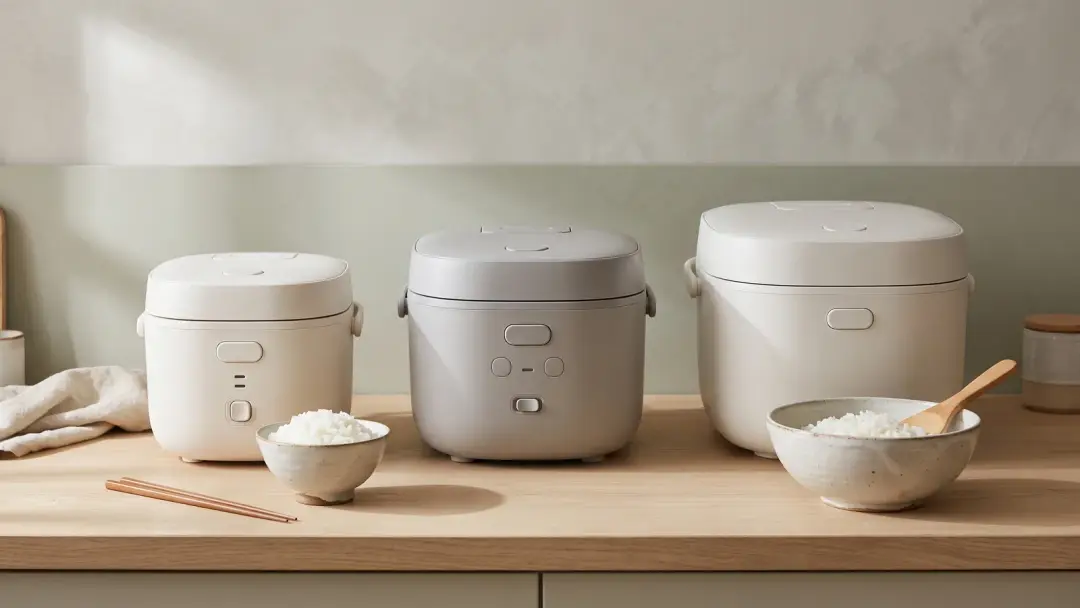
Zojirushi Picks
Zojirushi (zoh-jee-ROO-shee) is a Japanese appliance maker and the consistent top name in rice cooker roundups. This page uses three of its cookers.
Zojirushi NS-TSC10 (best overall). The NS-TSC10 is a micom cooker and warmer with a 5.5-cup uncooked capacity (1.0 L). It has a quick rice setting, a 13-hour preset timer, a steaming basket and a cake menu setting. Pick it for Japanese rice, sushi rice and everyday white rice. One note: this listing is the 5.5-cup model, not a 3-cup. Check the capacity on the listing before you buy.
Zojirushi NP-HCC10 (induction). The NP-HCC10 is the induction version, also at 5.5 cups, with multiple cooking settings, a 24-hour timer and a stainless steel exterior. Both Zojirushi 5.5-cup models share a size, so the choice is heating method.
Zojirushi 3-cup rice cooker/steamer (best for beginners). This is a compact basic cooker at 300 W, with a nonstick pot, one-touch operation and automatic keep-warm. It fits a dorm and a small kitchen, and it is the simplest cooker on the page. Zojirushi's NHS-06 is the official model name for this listing.
Tiger and Cuckoo Picks
Tiger JAX-T10U. Tiger is the other Japanese brand that appears in most roundups. The JAX-T10U is a micom cooker and warmer with a 5.5-cup uncooked capacity, a 12-hour automatic keep-warm and a scratch-resistant inner pot. Its distinctive part is the Tacook plate, a cooking plate that lets you cook a side dish with the rice in one pot. It is a good fit if you want rice and a protein at once and have only one outlet.
Cuckoo CR-0675FW. Cuckoo is a Korean brand, which makes it the natural fit for a Korean-food household. The CR-0675FW is a micom fuzzy-logic cooker with a 6-cup uncooked capacity (12 cups cooked), a nonstick inner pot and 10 cooking modes. Cuckoo's manufacturer data lists no voice navigation on this model, so ignore listings that mention it. It is the largest micom cooker on this page and the one for Korean rice bowls. For more Korean kitchen gear, see our Korean pantry essentials guide and Korean noodle pots guide.
Tiger JAX-T10U-K Micom Rice Cooker
Micom control with a 12-hour automatic keep-warm
Budget, Compact and Large-Batch Picks
Compact. The Zojirushi 3-cup cooker above is the compact pick. A 3-cup cooker is the right size for one or two people.
Large batch. The Aroma ARC-980SB is a digital 20-cup (cooked) cooker with a food steamer and a keep-warm function. It holds 10 cups of uncooked rice, which suits a gathering, a meal prep Sunday or a restaurant-style batch. The inner pot is nonstick, and the cooker takes up room, so measure the shelf first.
Multi-cooker. The Instant Pot Duo 8-quart is a 7-in-1 appliance: pressure cooker, slow cooker, rice cooker, steamer, sauté, yogurt maker and warmer. It is the cooker to buy if you want one machine to make broth for noodle soups and also cook rice. It is not a dedicated rice cooker, so skip it if rice is the main job.
Price tiers change often and we do not list prices. Check the current price on each listing, and compare it against the capacity and the heating method you need.
Donabe Rice Cooker Alternative
A donabe (doh-NAH-beh) is a Japanese clay pot. A rice donabe has a double lid, which holds steam and pressure in the pot, and cooks on a stovetop burner.
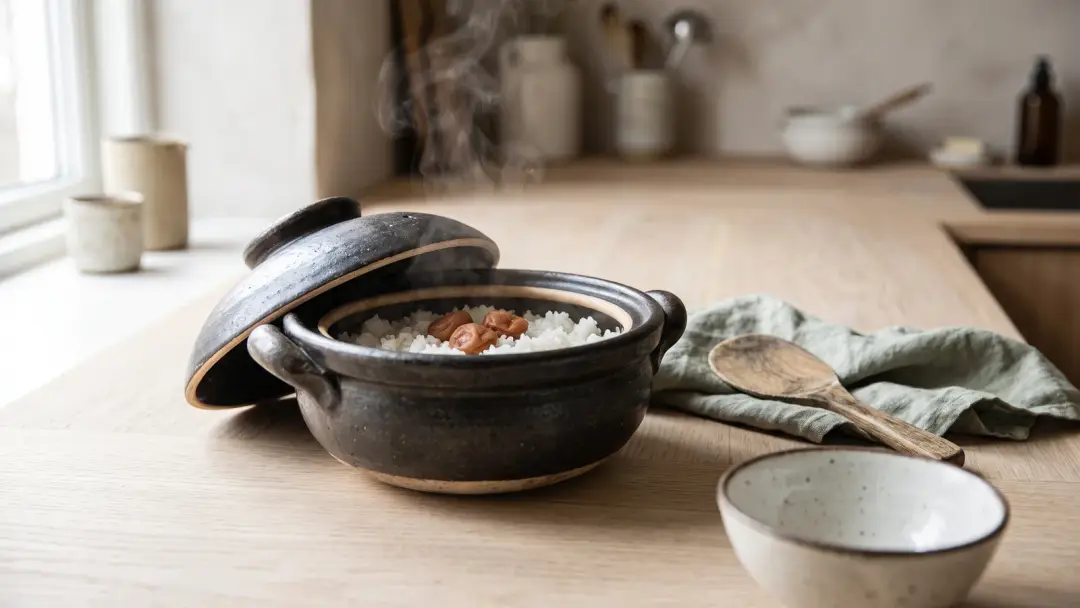
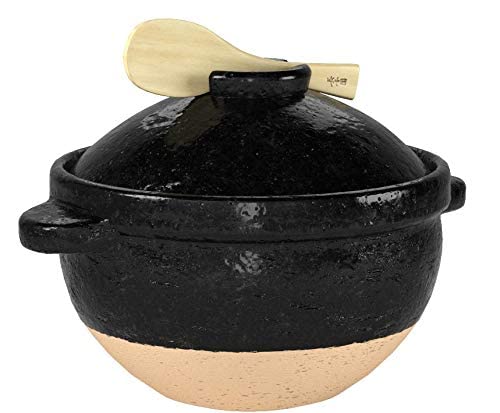
The Nagatanien Kamado-san CT-50 is an Iga-style earthenware donabe rice cooker made in Japan. It cooks rice without electricity or a timer. The 3-go size is not confirmed on the listing, so check the size before you buy. Earthenware cracks from sudden temperature change, so do not move it from a hot burner to a cold counter.
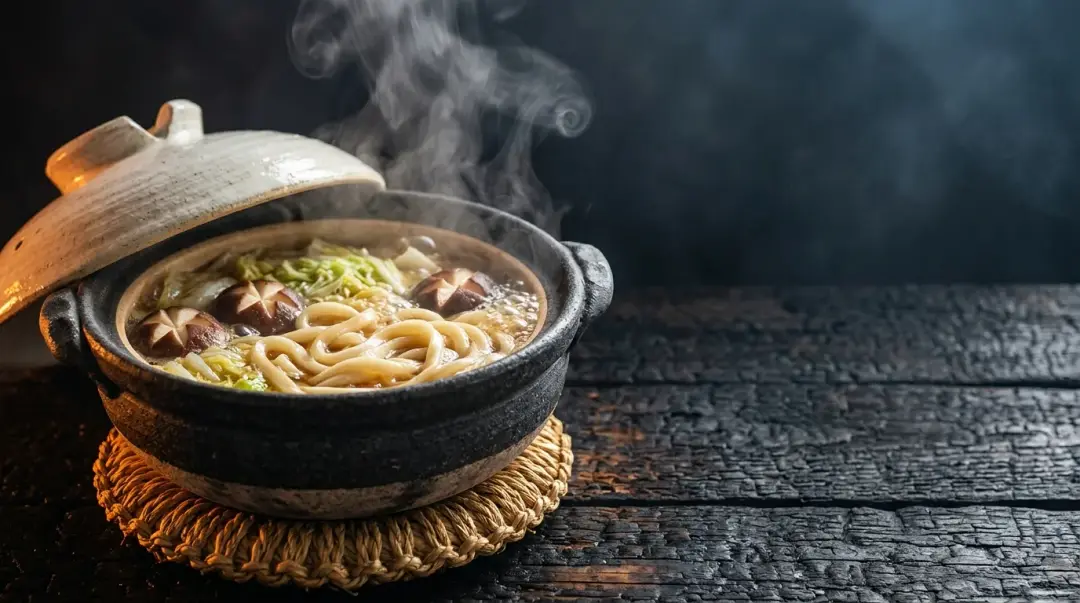
A donabe suits someone who wants rice with a crust, or who already owns a donabe for hot pot. Our best donabe guide compares clay hot pots, and the Japanese cookware guide places a rice donabe next to the other pots. If you only cook rice once a week, a donabe is a good second pot. If you eat rice daily, buy an electric cooker.

Nagatanien Kamado-san Donabe Rice Cooker CT-50
Double-lid earthenware pot made in Japan, used on the stovetop
Rice Prep Gear
Good rice starts before the cooker. Three accessories handle the prep.
- Wash bowl. The Inomata rice washing bowl (2 quart) has a side drain so you pour off cloudy water without losing grains. Rinse the rice until the water runs close to clear, then drain it.
- Measuring cup. The 180 ml cup pack matches the Japanese standard that rice cookers use. Level each scoop with a finger.
- Storage. The Lifewit container holds up to 25 lb of rice in an airtight dispenser and comes with its own cup. Check that its cup matches your cooker's 180 ml line marks.
Our Japanese pantry essentials guide lists the rice and seasonings that go with these tools. If you are also stocking noodles, see the best rice noodles guide and our guide to rice noodles.
FAQ
What is the best rice cooker for sushi rice?
A micom or induction cooker with a white-rice setting. For short-grain rice such as the Japanese varieties used for sushi, look at the Zojirushi NS-TSC10 (micom) and the NP-HCC10 (induction), which both have multiple cooking settings. For a first cooker, the compact Zojirushi 3-cup model also makes short-grain rice, with fewer settings.
Is a micom rice cooker worth it?
It is worth it if you cook rice several times a week or want a timer, a quick setting or a settings menu for different rice. Micom means microcomputer: the cooker adjusts heat through the cycle. A basic one-switch cooker makes decent white rice for less effort to learn.
How many cups of rice cooker do I need?
For one or two people, 3 cups. For a family of three or four, 5.5 or 6 cups. For batches and gatherings, a 10-cup uncooked model such as the Aroma. Cups here are rice cups of 180 ml, so a 5.5-cup cooker holds about 1.0 L of uncooked rice.
Can I use a rice cooker for noodles or soup?
A basic cooker can steam and keep food warm but is a poor choice for boiling noodles, which foam and spill. A multi-cooker such as the Instant Pot has a soup function, and a donabe on the stove is the better pot for noodle soup. Use the cooker for rice and cook noodles in a pot.
Pressure vs induction rice cooker?
Induction heats the inner pot directly and is the step up from micom; pressure cooking raises the cooking temperature, and makers say it gives softer, stickier rice. Brands disagree on which is better. Choose induction for Japanese-style rice and pressure for sticky Korean-style rice.
What is a "go" or 180 ml rice cup?
A gou (go) is a traditional Japanese unit of about 180 ml, and it is the rice cup that comes with most cookers. It is smaller than a US measuring cup of about 240 ml, and cooker water lines are marked for the 180 ml cup. The 3-cup, 5.5-cup and 6-cup sizes on this page all count in these 180 ml cups.