



| Setup | Pot | Heat | Add |
|---|---|---|---|
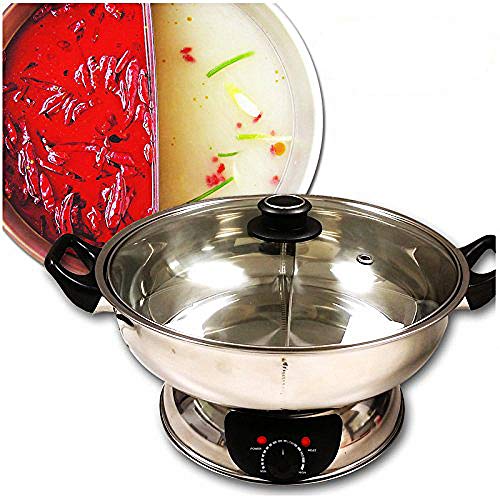
| Best overall | Food Party 6 L electric divided pot | Built in | Skimmers, long chopsticks |
| Best budget | Dezin 1.6 L electric pot | Built in | Dip dishes |
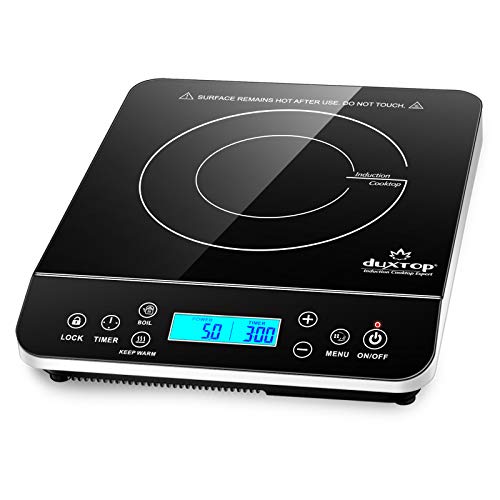
| Best beginner | Any induction-ready pot | Duxtop 1800 W cooktop | Skimmers |
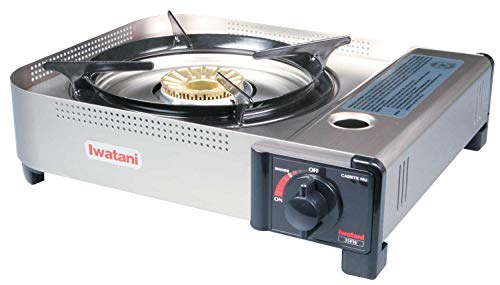
| Stovetop route | Stainless yin-yang pot | Iwatani 35FW butane stove | Canisters |
| Donabe route | Ginpo Kikka IH donabe | Induction cooktop | Long chopsticks |
This is a research-based guide. We did not cook with or buy these items for this page; we compared Amazon listings, manufacturer pages and the way other guides sort the category. Links to Amazon are affiliate links, and NoodleDex earns a commission on qualifying purchases at no cost to you.
Best electric hot pots, from solo to group
An electric hot pot is a pot with a heating element built in. It plugs in at the table, so there is no burner or fuel to buy. Electric pots come in three sizes worth separating.
Solo and pairs. The Dezin 1.6 L electric pot with steamer is the best budget pick. It has a nonstick interior and a steamer basket, which suits dumplings and vegetables beside a small simmer. Its wattage is not confirmed in the sources we checked, so check the listing. The Bear 2 L pot is another option in this size, and its listing gives two power levels, 500 W and 1,000 W. A 1.6 to 2 L pot is sized for one to three people. It will not carry a table of four.
Groups, divided. The 6 L Food Party pot is sized for a table, and the Dezin pot, titled 6 L, is a second divided option in the same size class. A divider gives two broths in one pot. The five-level power switch on the Food Party matters more than the headline wattage: run high to bring the broth up, then drop to low so thin-sliced food cooks without boiling the broth away. The Dezin lists three power settings.
Groups, dual-sided. The Sonya 5 L dual-sided pot is a stainless steel pot made for two broths, with a detachable inner pot. It sits with the group pots rather than the solo ones.
On wattage, full-size electric pots vary by model, and many offer a high and a low setting. The Food Party listing as we saw it does not state a wattage, so check the product page. A wattage figure is worth finding before you buy any electric pot.
What to check on an electric hot pot
These are the points that separate pots that look alike on a listing.
- Capacity per guest. Use the listed capacity in liters or quarts, not the pot's diameter. Small pots of about 1.5 to 2 L are sold for one to three people, and pots of about 5 to 6 L are sold for groups. Leave room so the broth does not boil over.
- Power levels. An adjustable dial or several settings lets you run high to bring the broth up and low to hold a simmer. A single fixed setting is simpler and less controllable.
- Divider. A fixed divider is less fuss. A removable one lets the pot run one broth when you need the space. Both sides still share the top of the pot.
- Nonstick coating. Nonstick cleans easily and scratches under metal utensils, so use nylon or wood. A stainless interior takes metal tools and needs more scrubbing.
- Auto shut-off and cord. Look for automatic shut-off or boil-dry protection if the listing names it, and check the cord length. A short cord limits where the pot can sit at the table.
- Wattage as listed. Higher wattage brings the broth to a simmer faster. Check the wattage against whatever else is running on the same outlet circuit.
Electric hot pot vs multi-cooker vs mini cooker
Three plug-in options overlap, and they do different jobs.
- Electric hot pot. A wide, open pot made to sit on the table so diners dip food into shared broth. Dividers are common. It is the format this page is about.
- Multi-cooker. A deep, lidded appliance, such as a pressure cooker that also slow-cooks and sautés. It can simmer a broth, but the deep, closed pot is awkward for reaching in at the table. It suits a pot of soup, not a shared dip.
- Mini or single-serve cooker. A small electric pot, often about 1 to 1.5 L, made for a bowl of ramen for one. It does not carry a group meal. For single-serve ramen cookers, see our guide to the best ramen cookers.
Pick the electric hot pot for a group, the multi-cooker if you already own one, and the mini cooker for solo ramen.
Electric vs stovetop vs donabe
A hot pot set is a pot, a heat source and the tools to eat from a shared simmering broth. The category splits into three routes.
An electric hot pot has the heating element built in. You plug it in at the table and adjust the dial. It is the lowest-effort route.
A stovetop pot is any pot you set on a separate table burner, either butane (canister gas) or induction (a magnetic cooktop). You choose the pot, but you buy two things instead of one.
A donabe (doh-NAH-beh) is a Japanese clay pot for hot pot and nabe, one-pot stews. It is the most traditional route and the most fragile. It gets one section below, and our best donabe guide covers the category in full.
If you cook for one or two people a few times a winter, buy electric. If you already own a good pot or want a donabe on the table, buy a burner.
Divided pots for two broths
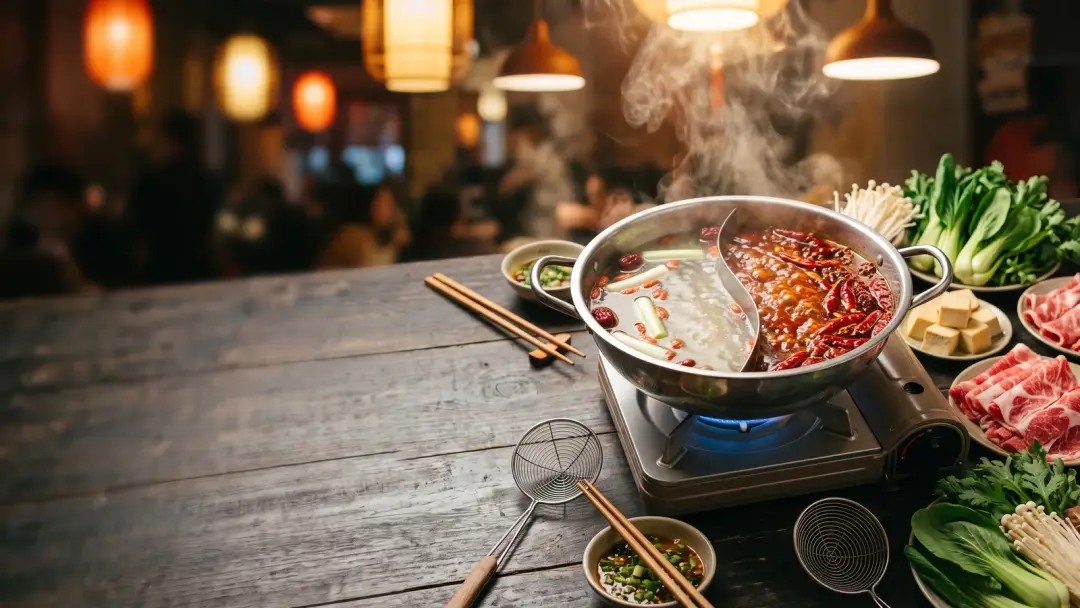
A yin-yang pot has an S-shaped divider that splits the pot into two halves. One side holds a mild broth, the other a spicy one, so a table with different tastes shares one pot. Divided pots also keep a chili broth away from the diner who skips it.
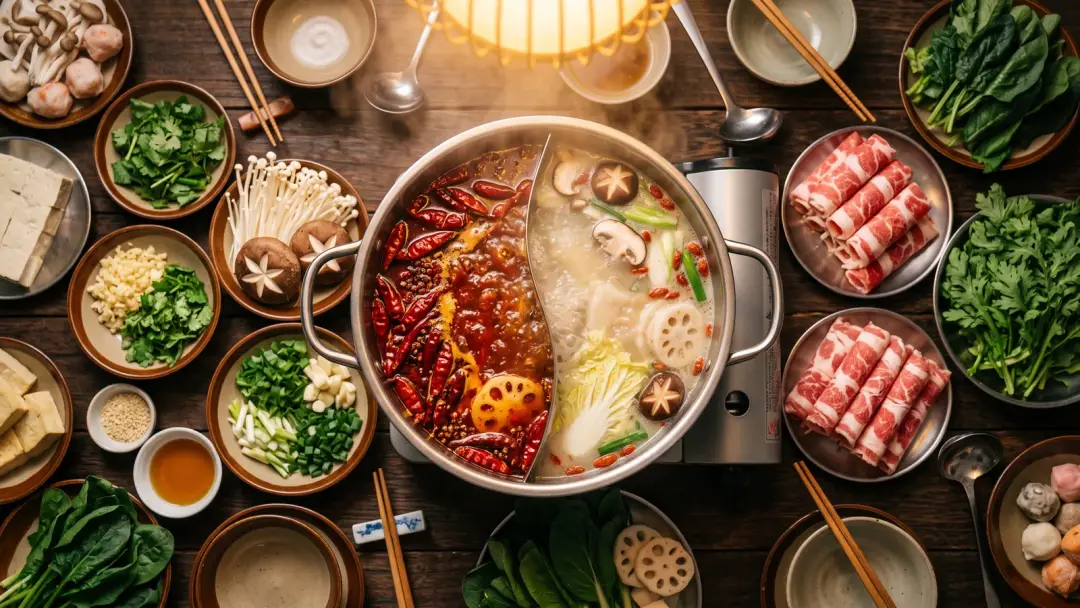
Two divided options are on this page.
- Food Party 6 L electric pot with divider. The listing gives a 6 L capacity, an internal divider and a five-level power switch. It is the best overall pick because it makes the pot and the heat a single purchase. The sources we checked do not list materials or dimensions, so check the listing before you buy.
- Stainless steel yin-yang pot, about 12 inches. A stovetop pot with a divider. The listing does not confirm induction compatibility or a lid, and the title reads like a seasonal listing. It suits a cook who already owns a burner.
One practical note on dividers: the two broths still share the top of the pot, so splash and steam mix. Choose the spicy side by the clock, not by hoping it stays separate.
Table stoves: butane vs induction
A stovetop pot needs a burner at the table. The two common choices work differently.
Butane stoves burn gas from a canister. The Iwatani 35FW is a single-burner model with a 15,000 BTU/h output, a double wind guard, automatic ignition and a carrying case. The BU-6 CassetteFeu canister is the 8-ounce fuel for stoves of that type. Butane gives a visible flame and strong heat, and it needs no outlet. You buy canisters and store them.
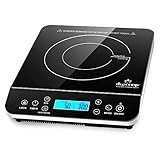
Induction cooktops heat the pot directly through magnetism. The Duxtop 9600LS is 1800 W with sensor-touch controls and measures 14 x 11.4 x 2.5 inches. It runs on 120 V, 15 A. There is no flame and no fuel to buy, which is why it is the beginner pick. The catch: the pot must work on induction. A traditional clay donabe does not; a model marked IH (induction heating) does. Stainless pots vary, so check the listing.
On safety, we do not repeat claims we cannot source. Iwatani's own page describes the 35FW for outdoor use and indoor commercial use. Ventilation and storage rules sit on the stove and canister labels, so read them before you light anything.
Donabe for shabu-shabu and noodles
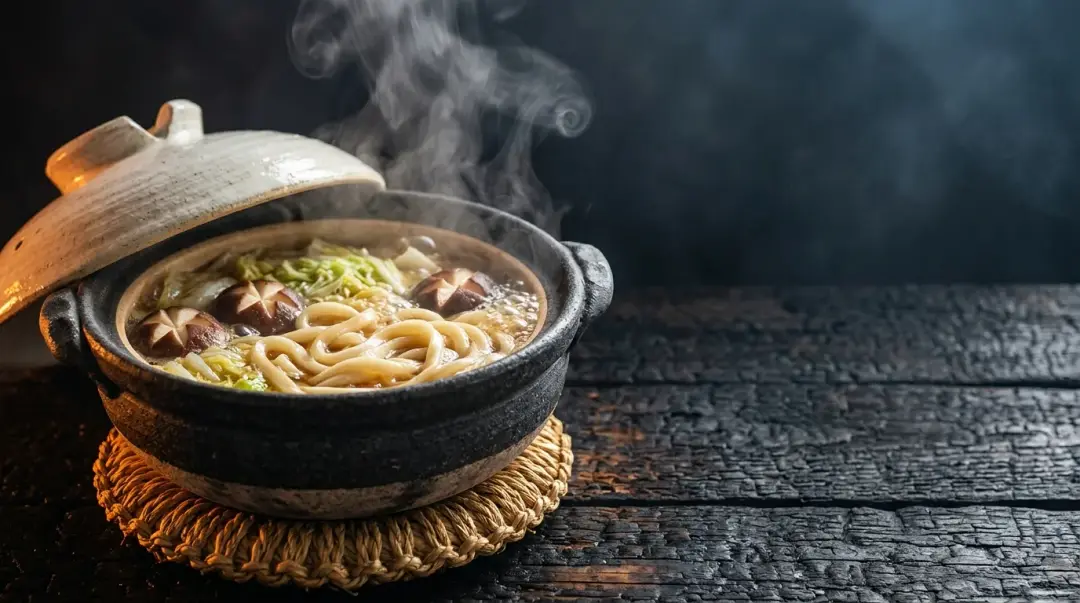
Donabe is where the set feels Japanese: a clay pot that holds heat, carried to the table and used for shabu-shabu (swish-swish, thin meat dipped in simmering broth) and nabe, which is the general term for Japanese hot pot. Clay also keeps a broth warm after the burner shuts off, which helps when the noodles come last.
Three donabe-style pots are on this page. All of them need a separate heat source.
- Ginpo Kikka Navy IH-compatible donabe. A No. 9 size for three to four people, with induction compatibility stated on the listing. The pick if you own an induction cooktop. Clay cracks from sudden temperature change, so heat it gradually.
- Kotobuki donabe, Large. The Amazon listing is the Large size in brown and green, and the exact capacity is not confirmed. It is made in Japan, per the listing. Induction compatibility is not confirmed, so assume a burner.
- Ginpo Hana-Mishima donabe. A close listing match; the 74 oz capacity is not verified. Check the size before buying.
The Asahi QSK41 cast iron sukiyaki pot stove set is a different material for a related dish. Sukiyaki is a sweeter, shallow-pot hot pot. Cast iron holds heat well but is heavy, and the listing does not give a capacity.
For brand-by-brand picks and care, go to the best donabe guide. For other Japanese pots and pans, see best Japanese cookware.
Tools: skimmers, long chopsticks and dip dishes
Tools cost little next to the pot and change how the meal runs.
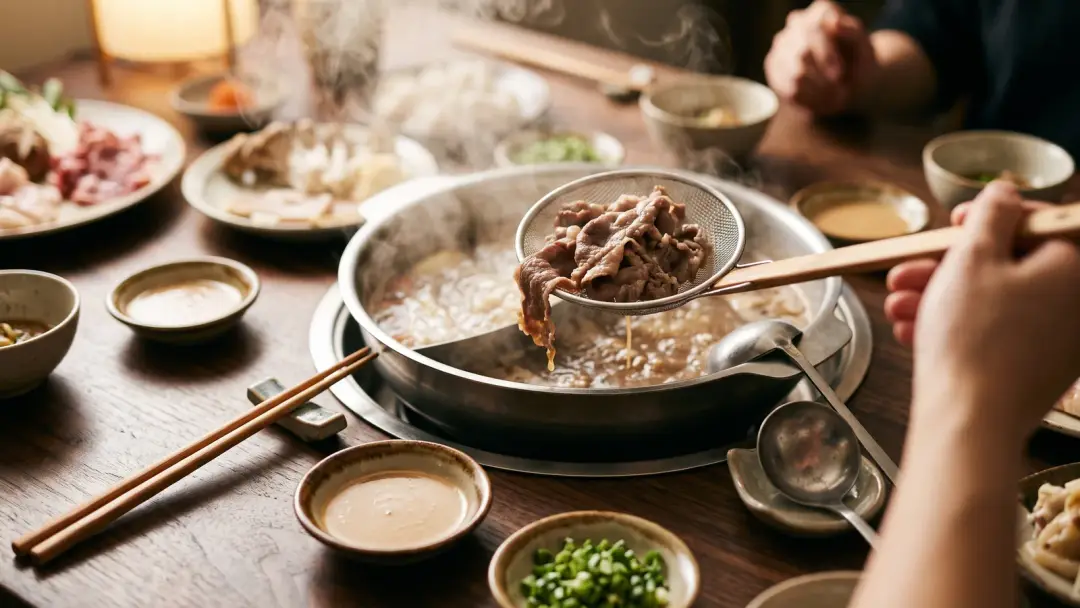
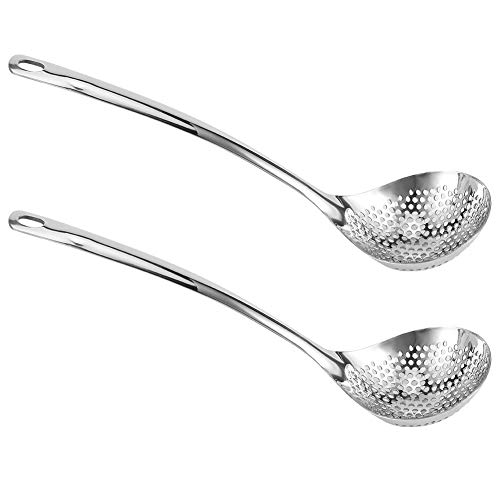
- A fine-mesh skimmer. The two-pack on this page has long handles and fine mesh, 30.3 x 8.3 cm. It lifts noodles and small items from the broth, and it clears foam. A second pair helps for more than three diners. Our spider strainer guide covers wider skimmers.
- Extra-long chopsticks. The 14-inch stainless pair keeps hands back from the steam. The listing names low heat conduction as a feature, so the handles stay comfortable. For regular eating chopsticks, see our chopsticks for noodles guide.
- Dipping dishes. A set of six small ceramic dishes gives each diner a sauce station. Sesame paste, ponzu (citrus soy sauce) and soy with chili all fit. Our Chinese pantry essentials guide covers the sauces and pastes to stock.
If your hot pot is Chinese style, a wok handles the stir-fry side dishes, and for Korean jeongol or a one-person noodle pot, see Korean noodle pots.
What to put in the pot, and finish with noodles
NoodleDex does not publish recipes, so this is a map, not a method. A hot pot table usually carries four groups: thinly sliced meat, vegetables and mushrooms, tofu and dumplings, and starch at the end.
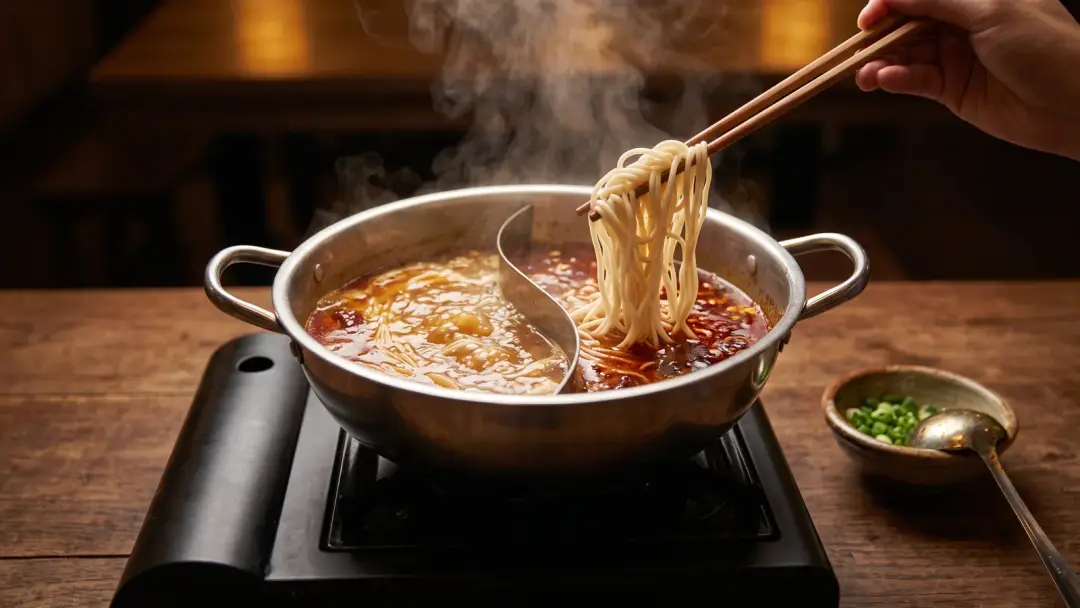
The noodle round is the point of this page. After the meat and vegetables, the broth carries their flavor, which is why the noodles go in last. Skim the pot, lower the heat and add the noodles.
- Udon. Thick wheat noodles that stay chewy in a long simmer. They are a common finish for Japanese nabe. See best udon for what to buy.
- Glass noodles. Thin and transparent, made from starch. They cook quickly and absorb broth. Our glass vs rice vs wheat noodles guide explains the differences.
- Rice vermicelli. Thin rice noodles that soften fast, suited to a lighter broth.
- Instant ramen. A block dropped into the pot works in many households. Use the pot's last broth, and skip the seasoning packet if the broth is already salty.
Cooking times vary by brand. Follow the pack, and watch the pot: noodles keep cooking in a hot broth, so they go to bowls once they are ready.
FAQ
What do I need for hot pot at home?
Four things: a pot, a heat source at the table, long utensils and small dishes for dipping sauce. An electric hot pot combines the pot and the heat in one unit. A stovetop pot or a donabe needs a separate table burner, either butane or induction.
Is an electric hot pot or a stovetop pot better?
An electric pot is simpler: plug it in and set the power. A stovetop pot on a table burner gives you a choice of pot, from a stainless divided pot to a donabe, and usually higher heat. Pick electric if you want fewer parts and stovetop if you want to choose the cookware.
Can you use a donabe on an induction cooktop?
Only if the donabe is made for it. Traditional clay pots are not magnetic, so look for an IH (induction heating) model, such as the Ginpo Kikka on this page. Check the listing, and heat clay gradually, because sudden temperature change can crack it.
How much wattage does an electric hot pot need?
There is no single figure; wattage varies by model, so check the listing. Higher wattage brings the broth to a simmer faster, and an adjustable power switch lets you drop to a gentle simmer once the food goes in.
What size electric hot pot do I need?
Pick by the number of eaters. Small pots of about 1.5 to 2 L are sold for one to three people, and pots of about 5 to 6 L are sold for groups. Use the listed capacity in liters or quarts, and leave room so the broth does not boil over when food goes in.
Can you use an electric hot pot for ramen?
Yes. Bring the broth up on high, add the noodles, and drop to a lower setting once they go in. Smaller pots of 1 to 2 L suit one serving, and a nonstick interior needs a nylon or wooden utensil to stay unscratched.
Is a divided hot pot worth it?
It is worth it if people at the table want different broths, such as one mild and one spicy. The two sides still share the top of the pot, so splash and steam mix. For one or two people who eat the same broth, an undivided pot is simpler to clean.
What noodles go in hot pot?
Udon, glass noodles, rice vermicelli and ramen all work. Add them at the end so they cook in the finished broth. Udon holds its texture well; glass noodles cook fast and soak up flavor.
Is butane safe indoors?
Follow the stove and canister manufacturer's instructions. Iwatani's own page describes the 35FW for outdoor use and indoor commercial use. Read the label on the stove and the canister for ventilation and storage rules.