

Chinese wheat noodles cover a wide span — fresh Cantonese lo mein, dry pantry sticks, premium northern lamian. For most home cooks, the right answer is Twin Marquis fresh lo mein from the H Mart refrigerator case, with a bag of Wel-Pac dry as backup. Here are the four picks that cover every weeknight stir-fry and soup.
How We Pick
- We compared noodles from 9 brands across three categories (fresh refrigerated, dry pantry stir-fry cut and bestselling Chinese instant) using ingredient lists, maker specs and published reviews.
- We prioritized brands stocked at Asian groceries (H Mart, 99 Ranch, Hmart Online) plus mainstream Amazon availability.
- Cons are real. If a brand has shipping limits, format trade-offs, or sodium concerns, we name them.
The Top Pick: Twin Marquis Fresh Lo Mein
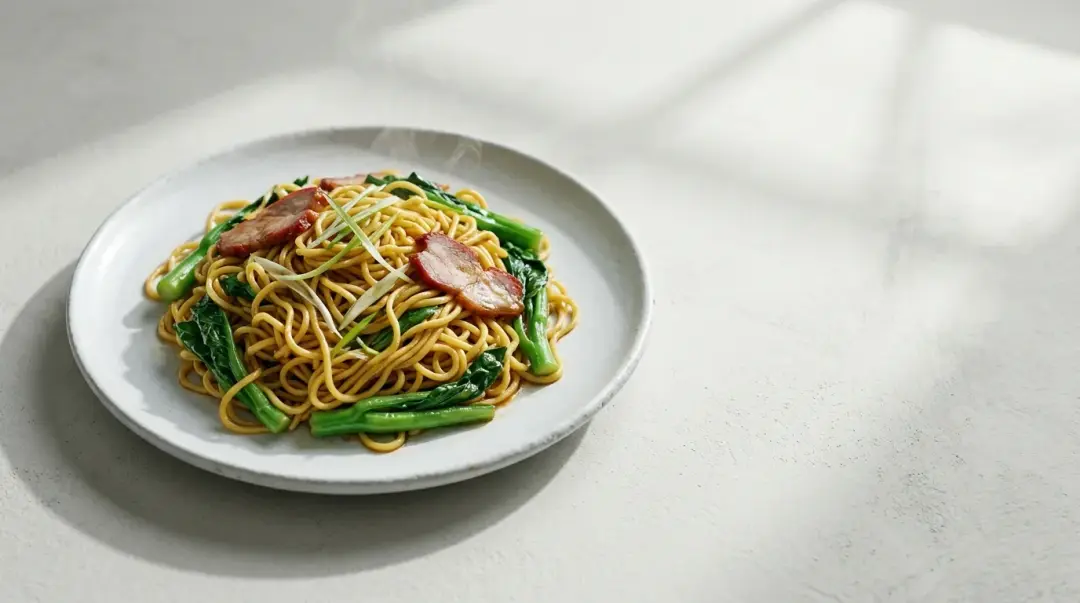
Twin Marquis is the Brooklyn-based brand that supplies most American Chinese restaurants. Their refrigerated fresh lo mein — sold in vacuum-sealed 1-lb bags — is the closest thing to restaurant noodles you can buy retail. The dough uses high-gluten wheat flour and a touch of alkaline salt, which gives the strands their springy bite and yellow color.
Look for the 1-lb bag at H Mart in Garden Grove or 99 Ranch in San Gabriel. Amazon Fresh carries it in select metros — New York, LA, Chicago, Bay Area — at a premium, with same-day delivery. Cook for 90 seconds in boiling water, drain, and toss directly into a hot wok. Don't overcook; fresh noodles need less time than the dry equivalents.
The only catch is refrigerated shipping. If you live outside a Twin Marquis distribution zone, your fallback is Wel-Pac dry.

Twin Marquis Lo Mein Egg Noodles
Authentic fresh Cantonese lo mein noodles
Best Budget: Wel-Pac Chow Mein Stir-Fry Noodles
Wel-Pac ships a case of twelve 6-oz bags, the workhorse dry SKU at most Asian groceries for years. The cut is shaped specifically for pan-fried chow mein: thinner than lo mein, firmer when crisped. Cook 4 minutes in boiling water, rinse cold to strip surface starch, then dry-toast in a hot wok with oil until the edges color. The case format is more than a single household needs in one buy — but it is priced closer to bulk-restaurant supply than a retail markup.

Wel-Pac Chow Mein Stir-Fry Noodles
Reliable dry wheat noodle from Japan's Wel-Pac — the default dry Chinese-noodle SKU at Asian groceries for decades
Standard Pick: Master Kong (Kangshifu) Hot & Spicy Beef
The Chinese instant-and-pantry giant Tingyi/康师傅 — marketed in romanized form as Kangshifu — runs the Hot & Spicy Beef (香辣牛肉) instant line that's outsold every other ramen in mainland China for two decades. The 5-pack on Amazon ships from China with four packets per cup: chili oil, dry seasoning, savory sauce concentrate, and dehydrated vegetables. The broth is Sichuan-leaning — numbing heat layered over a thicker beef-stock base than typical Japanese instant. Cook 3 minutes, finish with a soft-boiled egg, and the result lands closer to a street-stall niúròu miàn than to supermarket instant ramen. This is the everyday-pantry pick — not the premium dry-wheat noodle originally considered for this slot, but the most-eaten Chinese noodle in the world for a reason.

Master Kong Hot & Spicy Beef Instant Noodles
China's
Best for Beginners: Hakubaku Organic Ramen
Hakubaku is the safe entry point. Certified organic, MSG-free, made in Tokushima, Japan, and stocked at Whole Foods alongside the dry-pasta aisle — no special Asian-grocery trip required. The 8-pack gives one 9.52-oz bag per meal for a small household. Worth noting: this is technically a ramen noodle line, not a Chinese wheat noodle — the texture sits closer to Japanese ramen than to lo mein. Works for cross-purpose stir-fries, soup noodles, and weeknight noodle bowls; reach for Twin Marquis or Wel-Pac when you need true Chinese-style chew.

Hakubaku Organic Ramen Noodles
Certified organic, MSG-free, made in Tokushima, Japan — cleanest entry-level option in the category
What to Look For
- Wheat flour as the first ingredient, not enriched flour with multiple additives. Single-source durum or hard wheat is the marker of a serious noodle.
- Alkaline salt or jian shui (lye water) in the ingredient list if you want the springy lo-mein bounce. Without it, the texture goes soft fast.
- Diameter listed on the bag, ideally in millimeters. 2 mm is lo mein. 1 mm is thin egg noodle. 3 mm is closer to lamian.
- Country of origin from a noodle region — Hong Kong, Taiwan, mainland China, or US-based Chinese brands. Generic "made in Asia" labels are usually rebranded commodity stock.
- Date code, not just a use-by year. Fresh noodles should be eaten within 7-10 days of packaging.
Common Mistakes
- Buying dry noodles for a sauce-light dish. Cold sesame noodles or scallion oil noodles need the chew of fresh. Dry sticks will read flat.
- Treating "chow mein" and "lo mein" as different products. They're often the same noodle, cooked two different ways — chow mein gets pan-fried crisp, lo mein stays soft and saucy.
- Skipping the cold rinse on dry noodles. Surface starch turns gummy if you don't shock the noodles after boiling.
- Cooking fresh noodles like dry. Fresh Twin Marquis is done in 90 seconds. Go five minutes and you'll have mush.
- Assuming an Italian pasta machine works for Chinese wheat noodles. It can, but only for flat shapes. The hand-pulled springiness of true lamian is technique, not equipment.
FAQ
Are Chinese wheat noodles the same as Japanese ramen?
No. Both use alkaline salt, but ramen kansui is a specific Japanese formulation that creates a tighter, more elastic noodle. Chinese lo mein noodles are softer and chewier.
Can I substitute spaghetti for lo mein?
Functionally yes, with a trick — boil spaghetti, drain, then toss with a teaspoon of baking soda dissolved in a tablespoon of water. The alkaline shift mimics the lo mein bite. Roy Choi has been preaching this for a decade.
Where do I find biang biang or hand-pulled noodles?
Look in the frozen section of larger Chinese groceries — Xi'an Famous Foods sells frozen biang biang on Amazon for select metros, and 99 Ranch carries frozen lamian dough rolls. Dry doesn't capture the texture.
Do Chinese wheat noodles contain egg?
Some do (egg noodles, jidan mian), most don't. Read the ingredient list. Lo mein traditionally uses egg; chow mein flour-only versions are common too.
How long do fresh Chinese noodles keep?
Refrigerated, 7-10 days from the pack date. Freeze for up to 3 months in their original vacuum bag; cook from frozen and add 30 seconds.