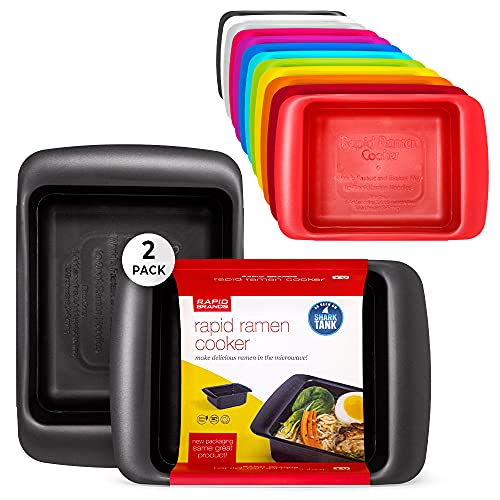


- Microwave only: Rapid Ramen Cooker
- First cooker for a dorm: Sistema 940 ml noodle bowl
- Biggest microwave bowl: Layron 45 oz
- No microwave, one or two servings: Elite Gourmet Noodle Express or Dezin 1.5 L electric pot
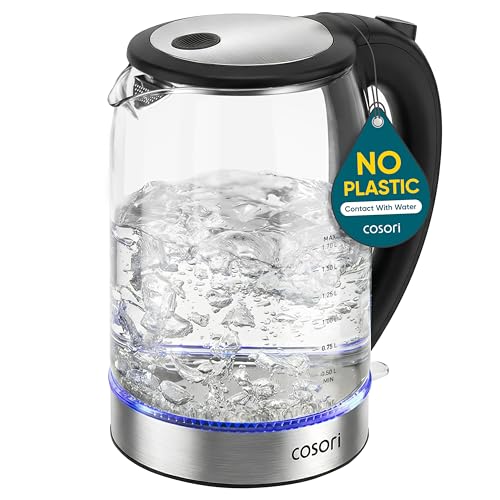
- Cup noodles: Cosori 1.7 L electric kettle
- Cooking for a group: see our hot pot sets guide
This is a research-based guide. We did not cook with these cookers for this page; we compared maker information and published specifications. Links to Amazon are affiliate links, and NoodleDex earns a commission on qualifying purchases at no cost to you.
How ramen cookers work
Instant ramen is a pre-cooked noodle block that needs hot water and a few minutes. A ramen cooker supplies the heat without a stove. Three designs cover almost everything on the market.
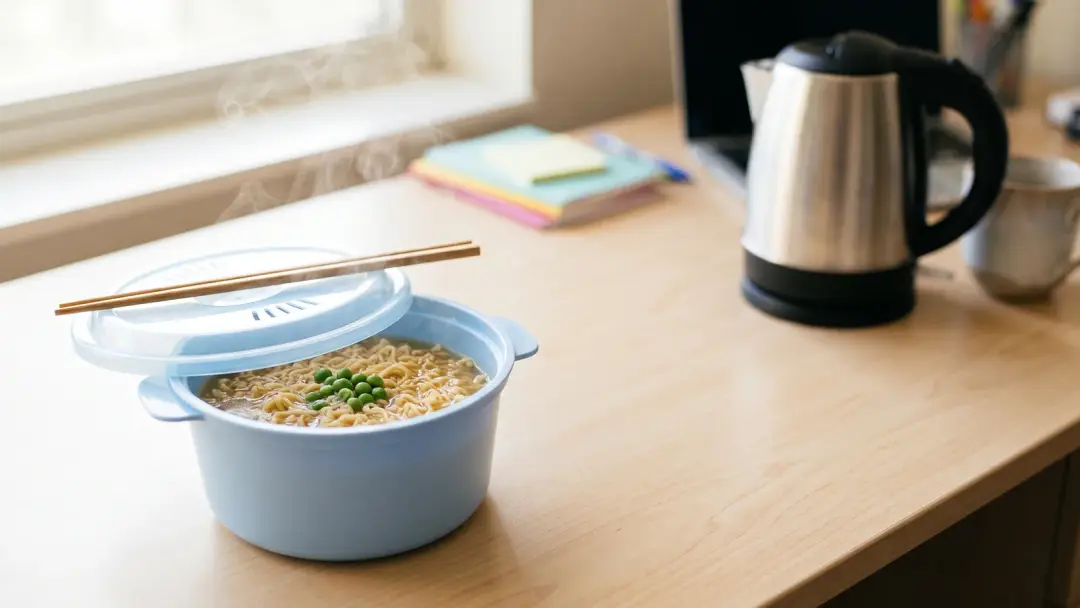
A microwave ramen cooker is a bowl with a vented lid, sometimes with a strainer lid built in. Water and noodles go in together, the microwave heats them, and the vent lets steam out so the lid does not seal. A strainer lid has slots that let you pour off the water, which is useful when you cook noodles for a stir-fry style pack and want the liquid gone.
An electric ramen cooker is a small plug-in pot, usually 1 to 2 liters, with a heating base. It boils water on a counter or desk, so the noodles cook in boiling water as they would on a stove. Many are sold as mini hot pots.
A kettle only heats water. It suits cup noodles and any block you finish in a bowl, and it needs no cooker at all.
Microwave ramen cookers
The Rapid Ramen Cooker is the best-known microwave ramen cooker. It is made by Rapid Brands, and the Amazon listing states a polypropylene bowl that is BPA free, microwave safe and dishwasher safe. Rapid Brands describes a water line that shows how much liquid to add. We could not find a published capacity or a reliable cook time, so check the box and the package directions for your noodles.
The Sistema Microwave Noodle Bowl holds 940 ml, about 32 fluid ounces, and has a steam-release vent in the lid. Retailer listings describe it as BPA-free and freezer safe, with top-rack dishwasher use. Open the vent when you heat it, as the lid instructs, and check the lid instructions on your own bowl.
The Layron 45 oz bowl is the largest microwave bowl on the page, at about 1.3 liters. A bigger bowl leaves more headroom, which helps when noodles foam up as they heat. The listing describes a polypropylene bowl that is BPA-free and dishwasher safe, with a side handle and a vented lid. We did not find a maker page, so the listing is our only source.
Electric ramen and noodle cookers
If you have no microwave, an electric mini pot is the closest thing to a stove. The Elite Gourmet Noodle Express is a 1.25 qt pot with a 304 stainless steel interior and a vented glass lid, and the listing shows Low and High settings. The Dezin 1.5 L is a nonstick single-person pot in the same class, a little roomier, with two power levels up to 700 W per its listing. Both plug into a wall outlet and cook the noodles in boiling water, so the texture is closer to a pot than a microwave bowl.
Check the safety wording on the listing: boil-dry protection, an auto shut-off and a cool-touch handle all matter on a dorm desk. The Dezin listing names overheat and boil-dry protection. We could not confirm an automatic shut-off or a wattage for the Elite Gourmet, so read the manual before leaving either pot unattended.
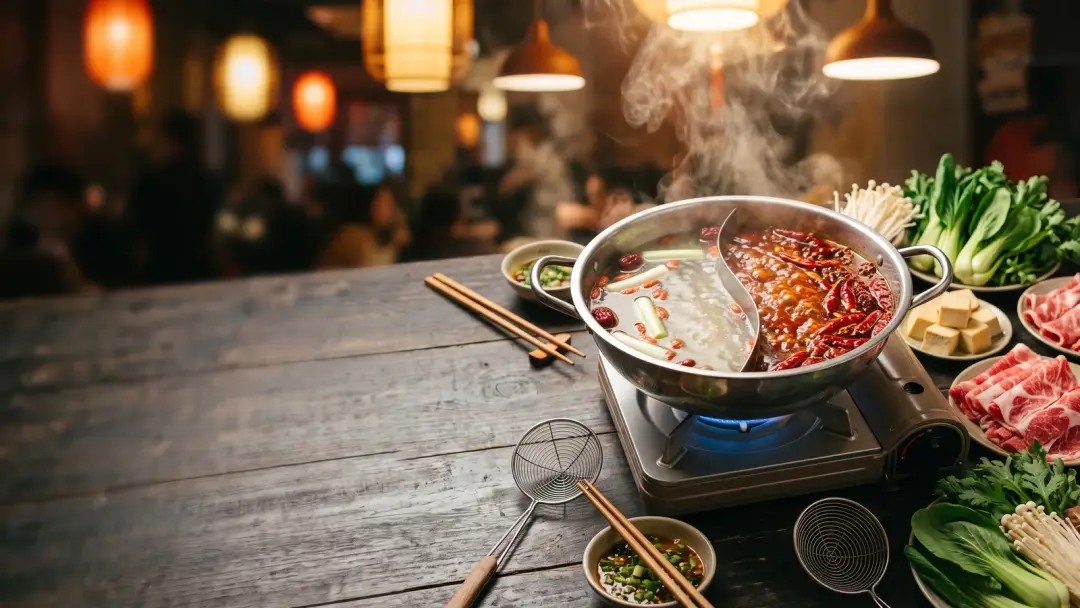
For a group, an electric ramen cooker is too small. A divided electric hot pot is built for that, and our best hot pot sets guide covers them, along with the table stoves and tools. A Korean-style yellow pot on a stove is another route, and our Korean noodle pots guide compares them.
Kettle and insulated-jar method
You do not need a cooker for cup noodles or a block you finish in a bowl. An electric kettle boils water; you pour it over the noodles in a heatproof bowl or a cup, cover and wait. The Cosori 1.7 L kettle is a glass kettle with stainless steel parts, auto shut-off and boil-dry protection, per the listing, which suits a dorm room or an office desk.
A kettle heats water only. Cosori's manual for its 1.7 L glass kettle (model GK172-CO) says to use it only for boiling water, so do not put noodles directly into one, and check your own manual.
An insulated food jar carries hot food to lunch without a microwave. USDA lunch-packing guidance says hot food should stay at 140°F or higher, and it suggests warming the container with boiling water for a few minutes before you add the hot food. Treat a jar as a way to carry noodles you cooked hot, and check the temperature if they sit for hours.
What to check before you buy
- Capacity. Package directions for many instant blocks call for roughly 2 cups to 550 ml of water (retailer listings show 2 cups for Maruchan chicken ramen and 550 ml for Nongshim Shin Ramyun). The block takes up room too, and you need headroom on top so boiling noodles do not spill, so a bigger bowl leaves more margin than a 940 ml one.
- Vent and lid fit. USDA FSIS advises loosening or venting the lid when microwaving so steam can escape. Open the vent, or leave the lid off if the maker says so.
- Microwave and dishwasher wording. Look for "microwave safe" on the product or the maker's page. USDA FSIS says glass, ceramic and plastic containers should be labeled for microwave oven use, and that single-use plastic tubs and take-out containers can warp or melt.
- Material as listed. Several of the microwave bowls here are listed as polypropylene plastic and BPA-free. Check the material on the product page for any bowl you buy.
- Handle heat. Microwave bowls get hot from the water. Cool-touch handles or lift tabs help, and a short rest before lifting helps more.
- Electric safety. Boil-dry protection and an auto shut-off matter more on a counter appliance than on a bowl.
Cooker versus pot: what changes in the noodle
USDA FSIS notes that microwave ovens can cook unevenly and leave cold spots, so cooking can vary across the bowl, and it advises stirring partway through. Makers sell their cookers on speed and convenience, not on better noodles, so we do not claim a cooker beats a pot on taste. The practical differences: a pot lets you watch and adjust the boil, while a cooker saves a stove and a pot to wash. An electric mini pot sits between the two, because it boils like a pot on a plug.
If texture is the priority, cook in a pot. If convenience is the priority, a microwave cooker or an electric pot is fine.
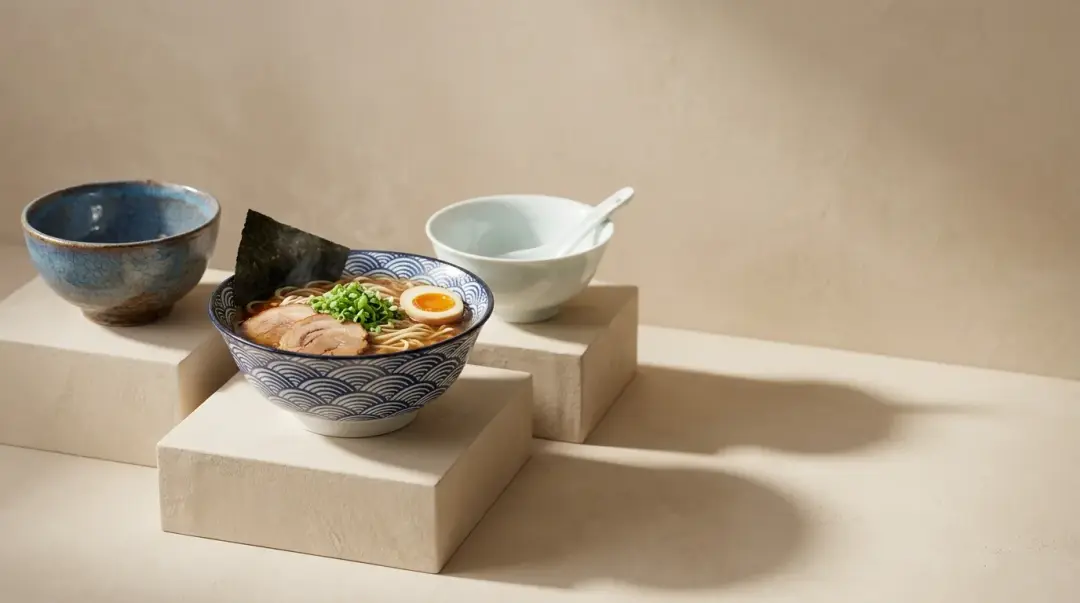
For the noodles themselves, see our best instant ramen guide, our best premium instant ramen guide and cup noodles versus bagged ramen. A serving bowl for the finished ramen is in the best ramen bowls guide. A soft egg on top is covered in ramen eggs explained, and a set of the right chopsticks for noodles finishes the setup.

Rapid Ramen Cooker
Polypropylene bowl; the Amazon listing states BPA free, microwave safe and dishwasher safe
FAQ
Do microwave ramen cookers work?
They heat water and noodles in a vented bowl, which cuts the need for a stove and a pot. The trade is control: USDA FSIS notes that microwave ovens can cook unevenly and leave cold spots, so stir once partway through and check the noodles instead of trusting the clock. Makers describe them as quick and convenient, not as a replacement for cooking in a pot.
Is it safe to cook ramen in the microwave?
Use a container labeled for microwave use. USDA FSIS says glass, ceramic and plastic containers should carry that label, and that single-use plastic tubs and take-out containers can warp or melt, so they should stay out of the microwave. Leave the vent open, do not seal the lid, and lift the bowl with care, because the bowl and water are hot.
Can you cook ramen in an electric kettle or hot pot?
A mini electric hot pot is made for it, and it is the stove-free route that keeps the noodles in boiling water. A kettle is meant for heating water, so use it to boil water and pour it over a cup or bowl of noodles. Cosori's manual for its 1.7 L glass kettle says to use it only for boiling water, so check your own kettle's manual before putting food in it.
What is the difference between a ramen cooker and a ramen bowl?
A ramen cooker is a microwave vessel with a vented lid, and sometimes a strainer, designed to cook noodles. A ramen bowl is for serving and is often porcelain, with no vent or lid. Many microwave bowls do both jobs, but a serving bowl without a microwave label should not go in the microwave.
How do you stop a microwave bowl boiling over?
Leave headroom, stay under the fill line, open the vent and heat in short bursts with a stir in between. Instant noodles can foam as they heat, so a bowl filled to the brim can spill even with a vented lid.