On the night of October 14, 2015, the Calore river broke into the industrial district of Ponte Valentino on the edge of Benevento. By morning the Rummo factory was full of mud, its machinery was ruined, and Civil Protection divers from Naples had pulled 15 workers out of the building. About 200 people were laid off. A brand that had made pasta in the same city for 169 years was out of production, with debts it could not pay.
The company came back within two years. How it did that, and what it sells in the US today, covers most of what you need to know before buying a bag.
Who Makes Rummo
Pastificio Rummo is still a family business. Antonio Rummo founded it in 1846, and Italian coverage from ANSA in 2024 counts six generations, more than 160 employees and sales in over 60 countries. Revenue passed €170 million in 2022, up 26.5% on the year before. For scale, that is roughly a quarter of what De Cecco reports, and a small fraction of Barilla.
The company makes one thing at heart: durum wheat semolina pasta, sold in more than 90 shapes. Around that core sit gluten-free, organic, whole wheat, egg pasta, lasagna sheets and a high-protein line called Maxima. Cosimo Rummo, the board president, is the name Italian reporters quote. In the US, Antonio Rummo runs Rummo USA as its president. The family name is said ROOM-moh, with the stress on the first syllable.
Three Moments in 180 Years
1846: a mill before a pasta factory
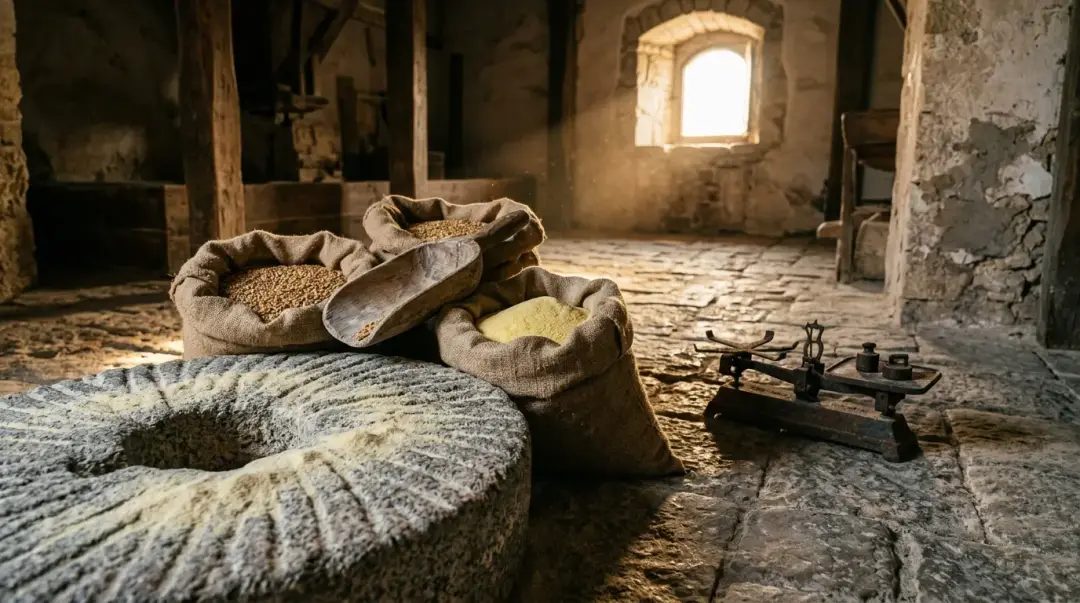
Antonio Rummo started out milling wheat in Benevento. Company lore says three horses named Bruto, Bello and Baiardo hauled grain from Puglia and Campania to the mill, and the horses still appear on the packaging. Rummo stopped milling in 1991 when it built a new plant and concentrated on pasta.
2011: a certificate for al dente
Rummo got Bureau Veritas certification No. 385/003 for its pasta's cooking performance, which it calls the first such certification for any pasta in the world. Bureau Veritas is an independent inspection and certification firm. The certificate covers the claim that Rummo pasta stays firm to the bite, and every batch is tested in a lab and tasted by two chefs. That same year, Italy's president Giorgio Napolitano gave the company the Leonardo Qualità Italia award.
2015 to 2017: flood and rescue
After the flood, Rummo's fans started the hashtag #SaveRummo and a Facebook page that reached 80,000 followers, asking people to buy the pasta as a form of aid. Employees and volunteers shoveled mud out of the plant. In April 2017 the Court of Benevento admitted the company to a concordato preventivo in continuità, an Italian court-supervised debt plan that lets a business keep operating while it repays creditors, here over 10 years. Six months after the ruling, in October 2017, Rummo relaunched in the US. By 2019 revenue was €98.8 million and growing again.
What Lenta Lavorazione Actually Claims
Every Rummo bag carries the phrase Lenta Lavorazione (LEN-tah lah-voh-rah-TSYOH-neh), Italian for "slow processing." It is a trademarked name for Rummo's own method, not a legal standard like the Gragnano IGP that applies to Garofalo.
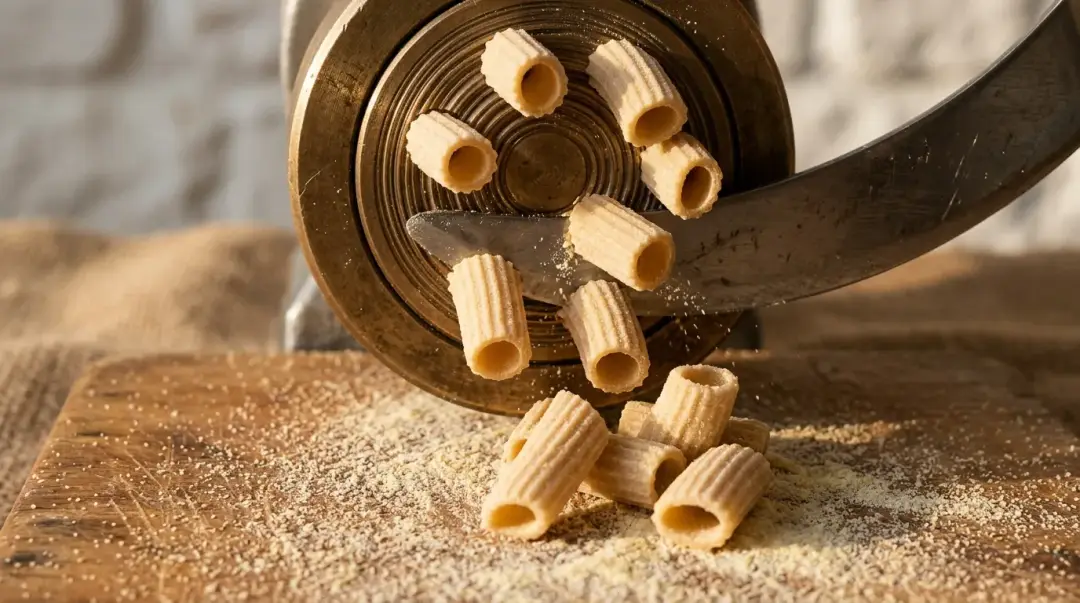
Here is what Rummo itself says the method involves, pulled from its US launch materials and earlier trade coverage:
- Longer and gentler kneading of the semolina dough
- Extrusion through bronze dies, which leaves a rough, slightly chalky surface that grips sauce
- Drying times calibrated separately for each shape
- Lab testing of every batch, including a pressure sensor test that mimics the force of a bite
What Rummo does not publish is a drying time in hours or a drying temperature. You will see numbers quoted on retail pages and blogs, including our own best Italian pasta roundup, but we could not trace any of them to a Rummo source. The checkable part of the claim is the Bureau Veritas certificate, which is about how the cooked pasta behaves, and that is the part that matters at the stove.
Rummo's real promise is a cooked result: pasta that stays al dente a little past the box time.
In practice, that means a margin for error: the claim is that a pot pulled a minute late still has some resistance in the center. The back panel lists 9 minutes for spaghetti and 14 for rigatoni, which is a reasonable place to start tasting.
The Rummo Bags You'll See in the US
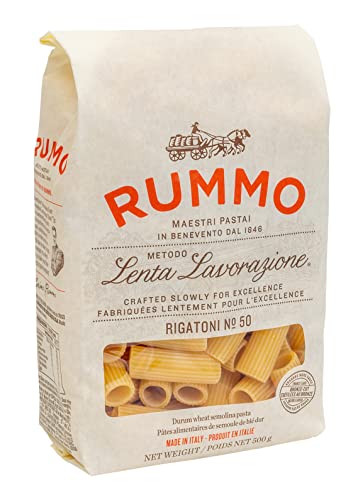
US bags print a number after each shape name. Spaghetti is No. 3, rigatoni No. 50, mezzi rigatoni No. 51 and gluten-free penne rigate No. 66. The number is a catalog code for the cut, the same system De Cecco uses with different numbers.
Rummo lines sold in the US
| Line | What it is | Plant | Best use |
|---|---|---|---|
| Lenta Lavorazione classics | Durum semolina, bronze die, enriched for the US market | Benevento | Everyday shapes: spaghetti, rigatoni, penne rigate, linguine, bucatini |
| Gluten free | Brown rice, yellow and white corn, rice, potato starch | Novara (separate plant) | Penne rigate, fusilli, spaghetti for gluten-free cooks |
| Maxima | Organic high-protein durum plus yellow pea protein, 21 g protein per serving claimed | Not stated | Protein-focused eaters who want a wheat-based pasta |
| Lasagna | Flat sheets for baking | Benevento | Baked lasagna; SPINS data ranks it among the fastest-growing US lasagnas |
| Egg pasta and nests | Semolina and egg, ribbon shapes | Not stated | Butter and cream sauces, ragù bolognese |
Whole Foods took the brand national in July 2023 with 11 varieties, eight classic and three gluten-free. Two of them, shells and mezzi rigatoni, were store exclusives at launch. The full Italian catalog is far larger than what reaches US shelves, so if a shape isn't at your store, it may not be imported at all.
What to Buy First
Rigatoni No. 50
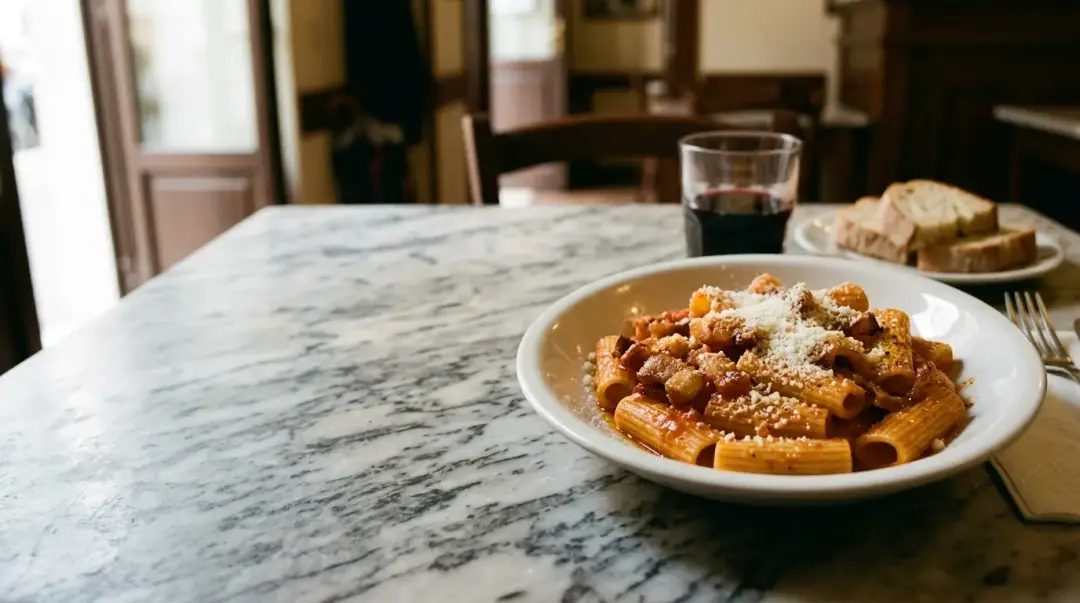
If you only try one Rummo shape, make it this one. The tubes are wide and ridged, and the bronze surface means a meat ragù or a vodka sauce coats the outside instead of just filling the hole. It takes about 14 minutes. Our rigatoni guide covers the sauces it suits.
Spaghetti No. 3
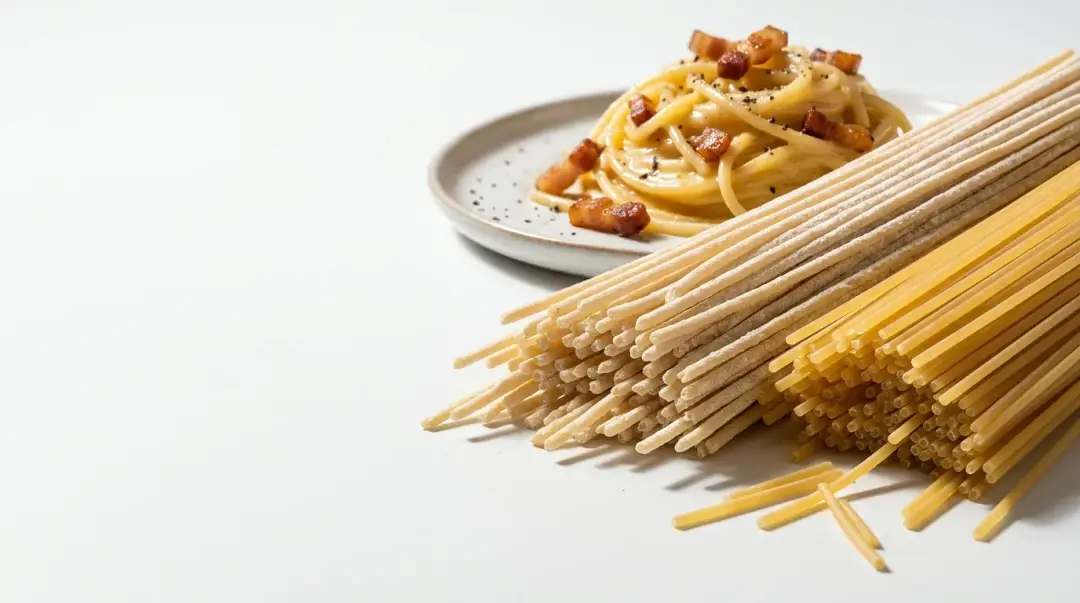
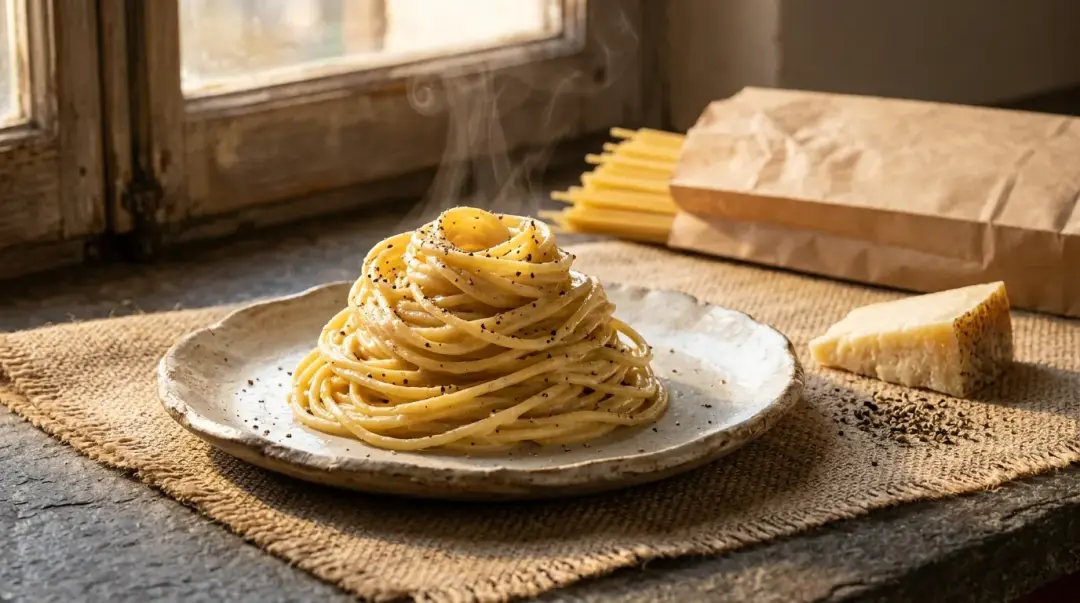
This is the test for any premium pasta, because cacio e pepe (KAH-choh eh PEH-peh, pecorino and black pepper) has nothing in it but cheese, pepper and starchy water. On a smooth Teflon-die spaghetti the emulsion slides off. On Rummo it stays on the strand.
Gluten-Free Penne Rigate No. 66
Rummo's gluten-free range is one of the better ones on US shelves because it is made in a separate plant and still extruded into a ridged shape that holds sauce. If you want to weigh it against chickpea and brown-rice options, our best gluten-free pasta guide ranks the brands it competes with.
Skip the lasagna sheets unless you already like the brand. Baking takes pasta well past al dente, so the cooking-performance advantage is mostly lost in the oven.
Rummo vs De Cecco
De Cecco is the bronze-die brand most shoppers already know, so it is the fair comparison. Both are Italian family firms from the south-center of the peninsula, both extrude through bronze, and both dry slowly at low temperatures. The De Cecco brand page covers its mill and wheat sourcing in detail.
Rummo vs De Cecco at a glance
| Rummo | De Cecco | |
|---|---|---|
| Founded | 1846, Benevento (Campania) | 1886, Fara San Martino (Abruzzo) |
| Ownership | Rummo family, six generations | De Cecco family |
| Die | Bronze | Bronze |
| Signature claim | Lenta Lavorazione, Bureau Veritas-certified cooking performance | Coarse-ground semolina, slow low-temperature drying |
| Starter shape | Rigatoni No. 50 | Spaghetti No. 12 |
| Gluten-free line | Yes, made in Novara | Yes, separate factory |
| US availability | Whole Foods, Wegmans, Publix, ShopRite, Kroger | Wider: most large supermarkets |
| Price tier | $$ | $–$$ |
In a pot, the difference is small. Rummo backs its al dente claim with an outside certificate, and De Cecco has no equivalent third-party claim. De Cecco is easier to find and usually costs less per pound. For the comparison most people actually face, De Cecco against the blue box, see De Cecco vs Barilla.
Where to Find Rummo in the US
Rummo first came to the US around 2010 through restaurant distributors, then relaunched for retail in October 2017. It is now in close to 100 retail chains, according to retail-data firm SPINS. Stores with current Rummo product listings:
- Whole Foods Market, nationally since July 2023, with classic and gluten-free shapes
- Wegmans, which lists Rigatoni No. 50 among other classics
- Publix, ShopRite, Sprouts and Stop & Shop, all named by SPINS as Rummo retailers
- Giant, Martin's and Hannaford, the Ahold Delhaize banners, for the Lenta Lavorazione spaghetti, rigatoni and penne rigate
- Kroger and Fairway for the gluten-free penne rigate in 12 oz bags
- Amazon US, in single bags and multipacks of the main shapes
On the shelf, look for Lenta Lavorazione printed near the shape name and the cut number after it. If your store's pasta aisle stops at Barilla and De Cecco, the Italian specialty grocer in town is the next stop before ordering online.
FAQ
Where is Rummo pasta made?
Rummo's wheat pasta is made in Benevento, an inland city in Campania northeast of Naples, where the company has worked since 1846. The gluten-free range is made in a separate facility in Novara, in northern Italy. Both are made in Italy, and the US bags say so on the back panel.
What does Lenta Lavorazione mean?
It is Italian for slow processing, and it is Rummo's name for its own method. The company describes longer, gentler kneading, extrusion through bronze dies, and drying times set separately for each shape. Rummo does not publish the drying hours or temperatures, so treat any specific number you see online with caution.
Is Rummo better than De Cecco?
They are close. Both brands use bronze dies and slow drying, and both hold sauce far better than a Teflon-die supermarket pasta. Rummo adds a third-party Bureau Veritas certification of cooking performance, which is a claim about holding its bite past the box time. De Cecco is easier to find and usually cheaper per pound.
What happened to Rummo in the 2015 flood?
On the night of October 14 to 15, 2015, the Calore river flooded Benevento's industrial district and filled the Rummo plant with water and mud. Divers rescued 15 trapped workers, machinery was destroyed, and about 200 workers were laid off. A #SaveRummo campaign pushed sales, and a court-approved debt plan in 2017 kept the company running.
Is Rummo pasta gluten-free?
The standard Rummo line is durum wheat semolina and contains gluten. Rummo sells a separate gluten-free line in the US, including penne rigate, fusilli and spaghetti, made from brown rice, corn and rice in a dedicated plant in Novara. Check the label on each bag for the current gluten-free certification if you have celiac disease.
Who owns Rummo?
The Rummo family. The business has passed through six generations since Antonio Rummo started it in 1846, and Italian press coverage in 2024 still describes it as family-owned. Cosimo Rummo has been the public face of the company in Italy, and Antonio Rummo is president of the US arm, Rummo USA.