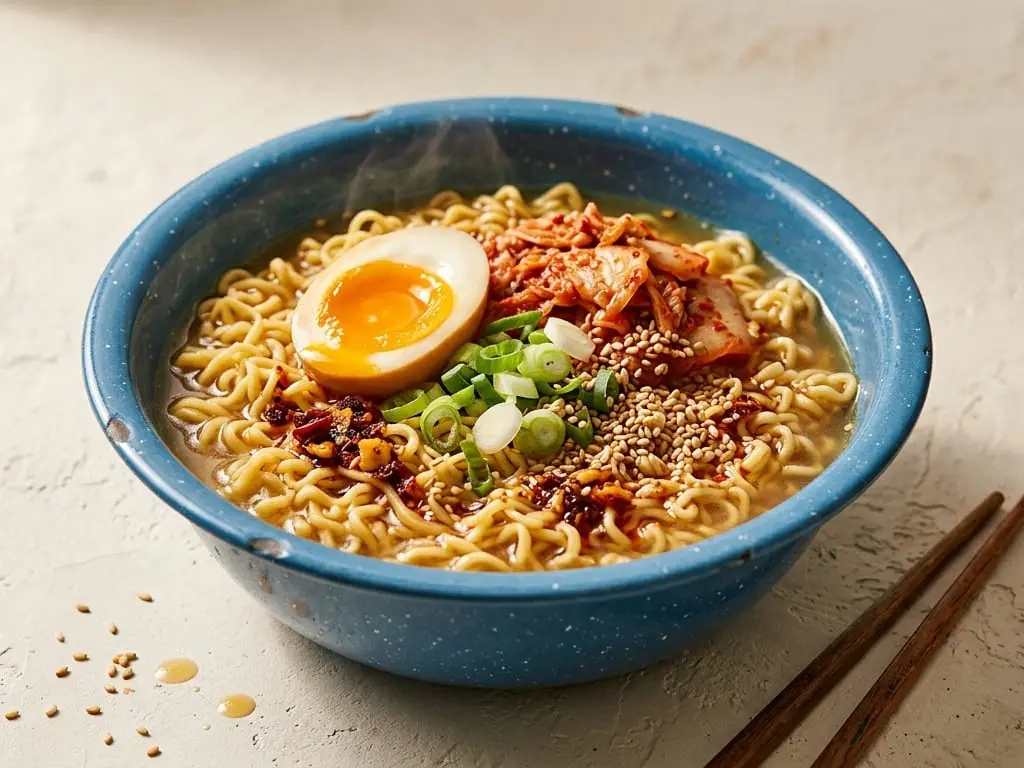
Miso Ramen
味噌
Sapporo, Hokkaido, Japan
- Hearty
- Umami
- Earthy
- Complex
- Origin
- Sapporo, Hokkaido, Japan
- Broth base
- Pork or chicken stock + fermented miso paste
- Cook time
- 3–4 hours (broth); 30 min active
- Difficulty
- Beginner–Intermediate
This page contains affiliate links. We may earn a commission at no extra cost to you. Disclosure
What is Miso Ramen?
Miso ramen is the youngest of the four major Japanese styles. It originated in Sapporo, the capital of Hokkaido, at a restaurant called Aji no Sanpei, run by Morito Omiya. Omiya opened the restaurant in 1950 and first added miso paste to pork broth in 1954, driven by a postwar belief that miso offered nutritional properties that salt and soy sauce did not. By around 1955, Aji no Sanpei had drawn national magazine coverage and the style spread across Japan. Sanyo Foods released Sapporo Ichiban instant miso ramen in 1968, which fixed Sapporo's association with the style in the American market.
The broth combines a pork or chicken base with a substantial amount of fermented miso paste — white (shiro) miso for a mild, slightly sweet result, red (aka) miso for deeper fermented funk, or a blend of both. The paste gets stirred into hot stock at the end of cooking, never boiled directly. Sustained heat kills active enzymes and dulls the fermented aroma. The finished broth is medium-thick and cloudy, with natural sweetness, umami depth, and a faint tartness that no other ramen style replicates.
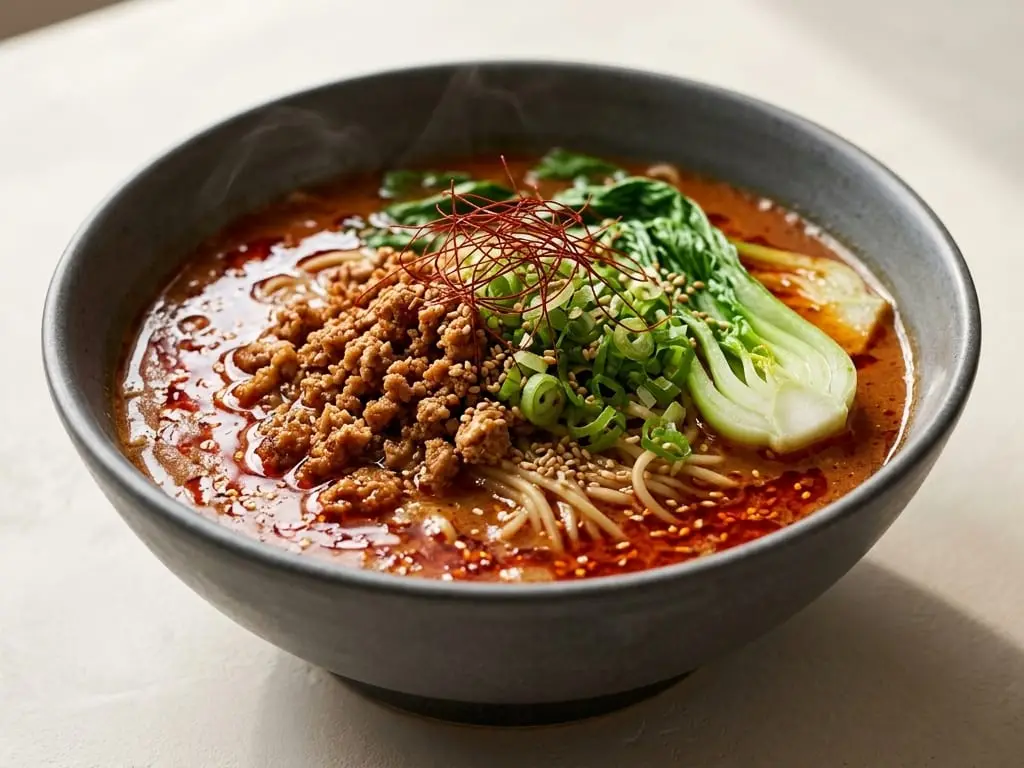
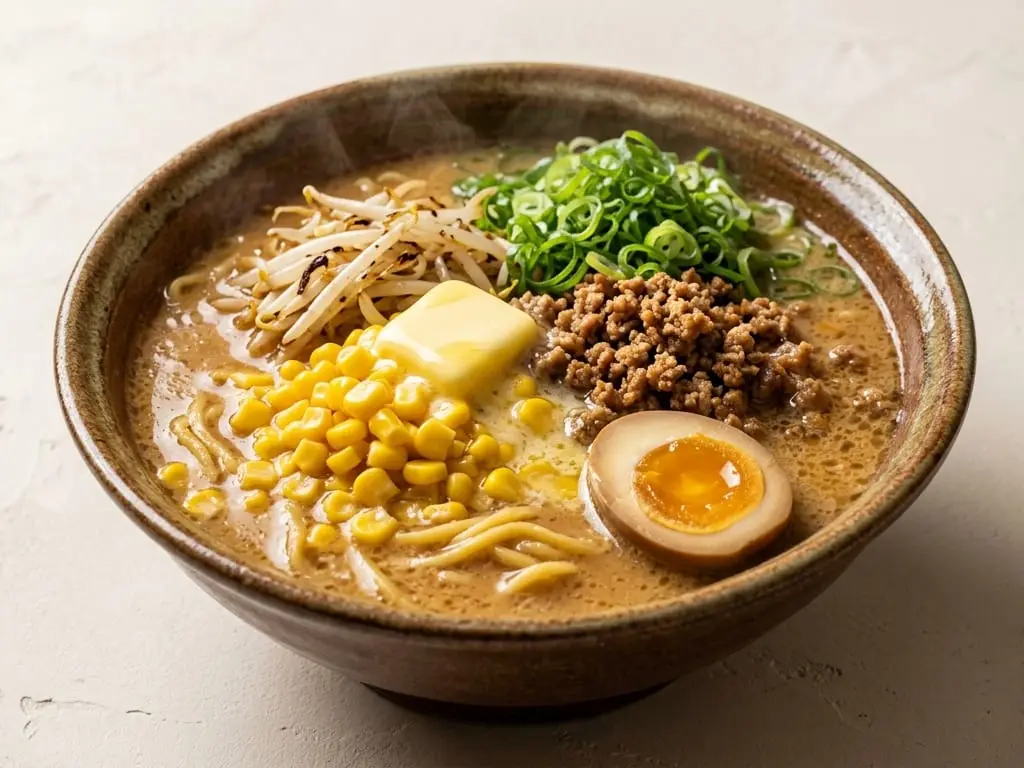
Sapporo-style preparation uses a technique called ita-mae: ground pork, garlic, ginger, and vegetables are stir-fried in a wok at high heat before the boiling stock goes directly into the pan. The wok-charred layer that results cannot be achieved by stirring miso into liquid. A spoonful of lard floated on top slows heat loss — practical in Hokkaido's sub-zero winters. Toppings of corn, butter, bean sprouts, bamboo shoots, and thick curly noodles draw on Hokkaido's agricultural produce and are easy to find in an ordinary supermarket.
Flavor Profile
How to Make Miso Ramen
- 1
Build a Pork or Chicken Stock
Blanch pork neck bones or chicken carcasses in boiling water for 5 minutes; rinse well. Simmer in fresh water with ginger, garlic, onion, and dried shiitake mushrooms for 3–4 hours over low heat. The stock should be golden and full-flavored — this is the base the miso tare will season.
- 2
Make Miso Tare
Whisk together 80g white (shiro) miso and 80g red (aka) miso with 20 ml koikuchi soy sauce, 20 ml sake, and a touch of sesame paste. Grated garlic and onion add depth. Do not cook the tare — miso's active enzymes and volatile aromatics are dulled by sustained heat. Refrigerated, the blend improves over 2–3 days.
- 3
Sauté Aromatics (Ita-Mae Technique)
In a wok or heavy skillet over high heat, fry 50g minced pork with grated garlic, ginger, and sliced onion in a tablespoon of lard or neutral oil until the pork is browned — about 2 minutes. Keep the heat high throughout. This wok-charred stage produces a roasted depth that distinguishes Sapporo style from simply stirring miso into stock.
- 4
Combine and Assemble
Add 300 ml hot stock to the wok with the stir-fried aromatics. Bring to a brief boil, then ladle into a bowl. Add 2–3 tablespoons of miso tare; stir to dissolve. Cook thick curly noodles separately and add to the bowl. Top with corn, a pat of butter, bean sprouts, menma, chashu slices, and sliced green onion. The butter melts into the broth over about 60 seconds — stir it in before eating.
Where to Buy in the US
- Asian Grocery Stores
- H Mart and 99 Ranch carry white and red miso in tubs, thick curly noodles, and kombu and niboshi for stock. Sapporo Ichiban instant miso ramen is common in Asian grocery chains.H Mart99 Ranch Market
- On Amazon
- Hikari organic red and white miso come in 17.6 oz tubs, and Marukome makes a reduced-sodium organic miso.
- Whole Foods / Specialty
- Miso Master and South River Miso make widely stocked organic miso. Lotus Foods rice ramen is a widely stocked gluten-free stand-in for wheat noodles.Whole Foods
- Japanese Online Grocers
- Weee! and Japan Centre sell Japanese miso pastes and instant miso ramen online.Weee!Japan Centre
Miso ramen to buy
This section contains affiliate links. We may earn a commission at no extra cost to you.

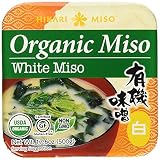
Hikari white miso
View on Amazon
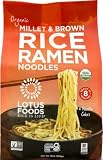
Lotus Foods rice ramen
Lotus Foods rice ramen is a widely stocked gluten-free stand-in for wheat noodles.
View on Amazon