What Is Tare? The Seasoning That Names a Ramen Bowl
· 10 min read · NoodleDex Editorial
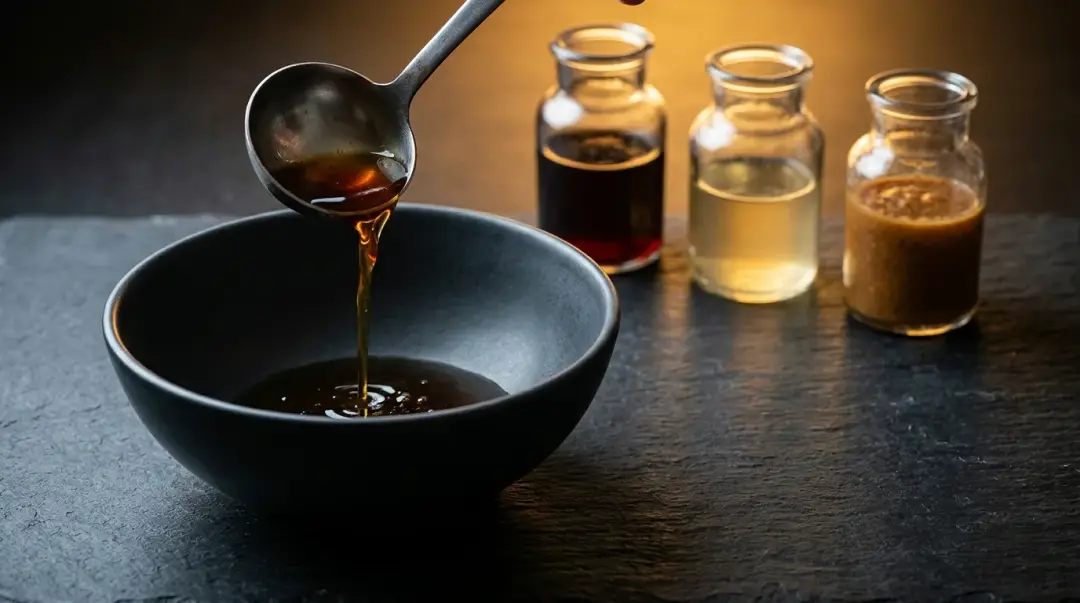
What is tare? The concentrated ramen seasoning behind shio, shoyu and miso bowls: how much goes in, how it differs from broth, and why aroma oil comes third.
This page contains affiliate links. We may earn a commission at no extra cost to you. Disclosure
Two Tablespoons in a Pint of Soup
Take a standard bowl of ramen and measure the liquid. Just One Cookbook's shio ramen uses 350 ml of broth and 2 tablespoons of shio tare, about 30 ml. The ramen guide at Life By Mike G uses 35 ml of tare per 350 ml of soup and calls it a 10% ratio. NoodleDex's own bowl-building guide lands in the same place, 2 to 3 tablespoons per 300 to 360 ml.
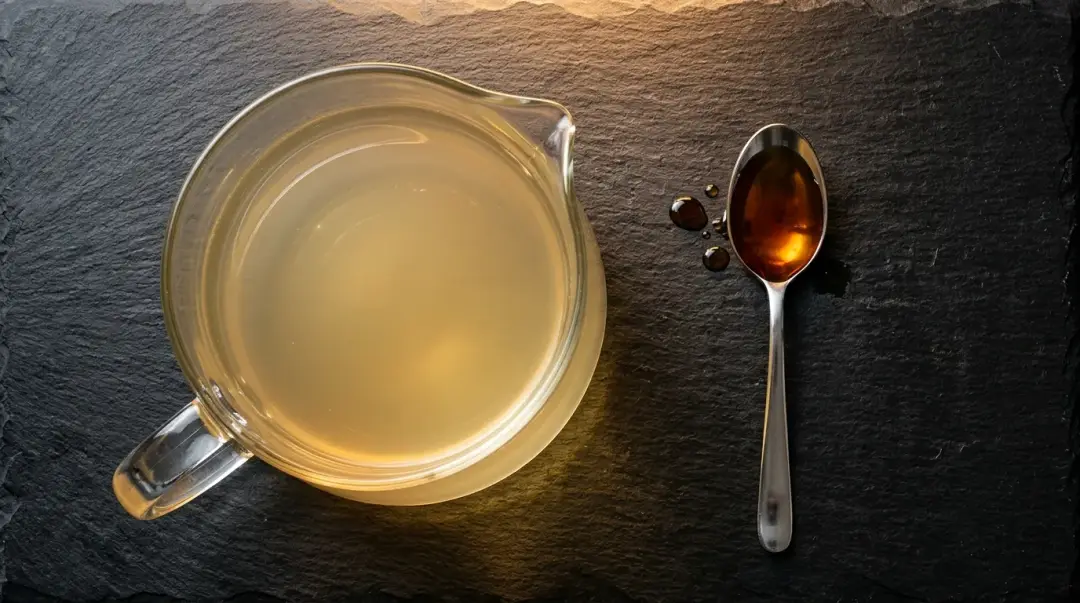
So the part of the bowl that decides whether you are eating shoyu or shio is roughly one-tenth of the liquid. Sometimes less: Ramen Kaonashi's Sapporo miso recipe uses 1 tablespoon of miso tare for 300 ml of soup, about 5%.
How much tare goes in one bowl, by recipe
| Recipe | Tare | Broth | Tare as share of liquid |
|---|---|---|---|
| Just One Cookbook, shio ramen | 2 tbsp (~30 ml) shio tare | 350 ml | ~8% |
| Life By Mike G, general guide | 35 ml | 350 ml | 10% |
| NoodleDex bowl guide, shoyu | 2–3 tbsp | 300–360 ml | ~8–15% |
| Ramen Kaonashi, Sapporo miso | 1 tbsp miso tare | 300 ml | ~5% |
The ratio is small because tare is concentrated salt. Wikipedia's ramen entry puts it plainly: the main purpose of tare is to provide salt to the broth, with umami and other flavors along for the ride. A shoyu tare built on the common 4:2:1 ratio of soy sauce, mirin and sake is more than half soy sauce, and USDA puts a single tablespoon of soy sauce at 879 mg of sodium. A few extra milliliters swing the bowl from flat to harsh, which is why cooks add tare in half-tablespoon steps and taste between them.
Where the Word Comes From
Tare (タレ) is an everyday Japanese word for a thick seasoning sauce, and ramen borrowed it. Japanese Wikipedia traces it to tare-miso: miso dissolved in water, simmered, then hung in a cloth bag so the liquid dripped out underneath. The verb tareru means "to drip." The same word covers the sweet soy glaze brushed on yakitori and the sauce that grilled eel is dipped into for kabayaki.
Ramen kitchens also use a second word, kaeshi (kah-EH-shee), for soy-based tare. It comes from soba shops, where soy sauce is heated with mirin and sugar and left to rest before it goes into dipping sauce. The French ramen reference Ramens.fr describes the split some chefs make: kaeshi is the aged version, rested in the fridge from a few days to a few weeks so the salt softens, while tare is the fresh seasoning. Other cooks use the two words interchangeably.
Some shops keep a running batch called motodare, topping up the old tare with new instead of starting over, as the NoodleDex bowl guide notes.
Shio, Shoyu and Miso Tare
Each of the three classical tares has its own salt source, and each pulls the same broth in a different direction.
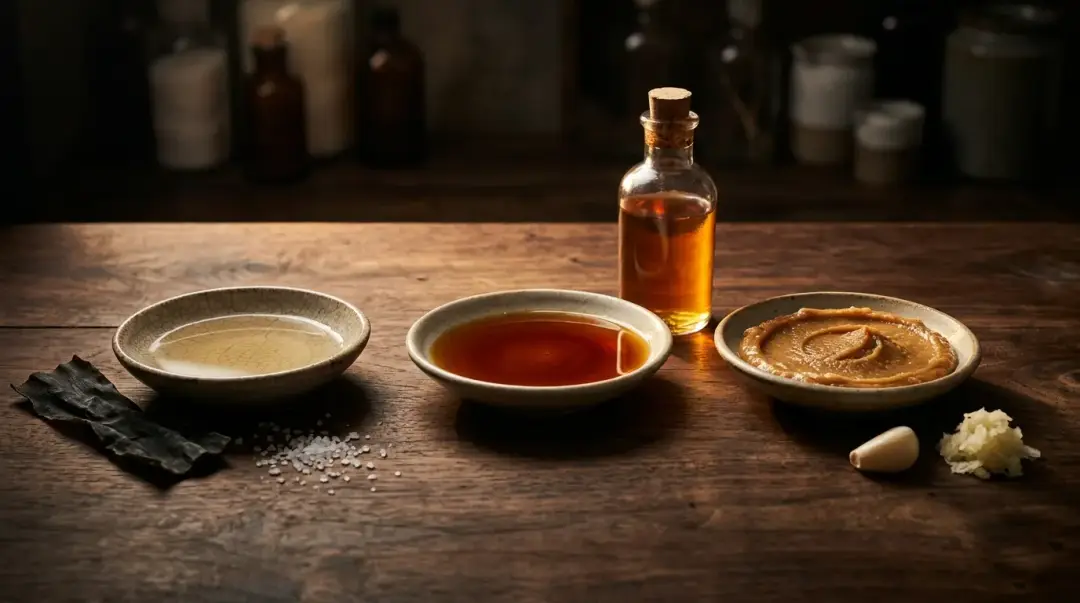
Shio tare (SHEE-oh, "salt")
Wikipedia calls shio the oldest of the four ramen types. Its tare combines salt with cooking alcohols like mirin and sake and umami sources like kombu (dried kelp), niboshi (dried baby sardines) and MSG. Many versions still include a little soy sauce, just not enough to color the broth. Just One Cookbook's recipe shows the balance: ½ cup cold-brew dashi, ½ cup sake, 2 tablespoons mirin, 2 teaspoons soy sauce, ¼ teaspoon fish sauce and ¼ cup Diamond Crystal kosher salt, steeped with bonito flakes.
Shio tare hides nothing. With no dark soy to cover a cloudy or bland stock, the broth has to taste good on its own, which is why our broth comparison rates shio as the hardest of the classical styles to do well despite the short ingredient list.
Shoyu tare (SHOW-yoo, "soy sauce")
Shoyu tare is shio tare with soy sauce at the center. Wikipedia describes it as similar to shio tare with soy sauce added, which pushes both the salt and the umami further. The widely used home ratio is 4 parts soy sauce, 2 parts mirin, 1 part sake, warmed gently. Tokyo is shoyu's home, and the tare tints the clear chicken or pork stock light brown.
This is the tare where aging matters most. A soy, mirin and sugar kaeshi that has rested for two weeks tastes rounder and less sharp than one made that afternoon, by Ramens.fr's account. Warm it gently in a small saucepan, then keep it in a squeeze bottle in the fridge, which makes adding it in half-tablespoon steps easy.
Miso tare (MEE-soh, fermented soybean paste)
Miso tare is the youngest of the three. Ramen Kaonashi credits Morito Omiya, founder of Aji no Sanpei in Sapporo, with creating miso ramen in the 1950s (sources give both 1953 and 1955), and Wikipedia says the style reached national prominence around 1965.
Miso tare is closer to a paste than a sauce. Ramen Kaonashi's version blends 80 g of white (shiro) miso with 80 g of red (aka) miso, then adds 80 g of grated onion, 10 g of grated garlic, 20 ml of sake, soy sauce and salt. Because it uses fresh onion, that batch keeps about 5 days in the fridge. Miso tare should never boil; the NoodleDex bowl guide puts the ceiling at about 170°F (77°C), above which the fermented notes fade.
The three classical ramen tares
| Shio | Shoyu | Miso | |
|---|---|---|---|
| Main salt source | Salt | Soy sauce | Miso paste |
| Typical additions | Sake, mirin, kombu, niboshi, dashi, a little soy | Mirin, sake, sometimes sugar | Garlic, onion, sake, a little soy |
| Broth color it gives | Pale, near-clear | Light to mid brown | Opaque tan |
| Regional home | Hakodate | Tokyo | Sapporo |
| Common home ratio | About 2 tbsp per 350 ml | 4:2:1 soy:mirin:sake, 2–3 tbsp per bowl | About 1 tbsp per 300 ml |
And tonkotsu?
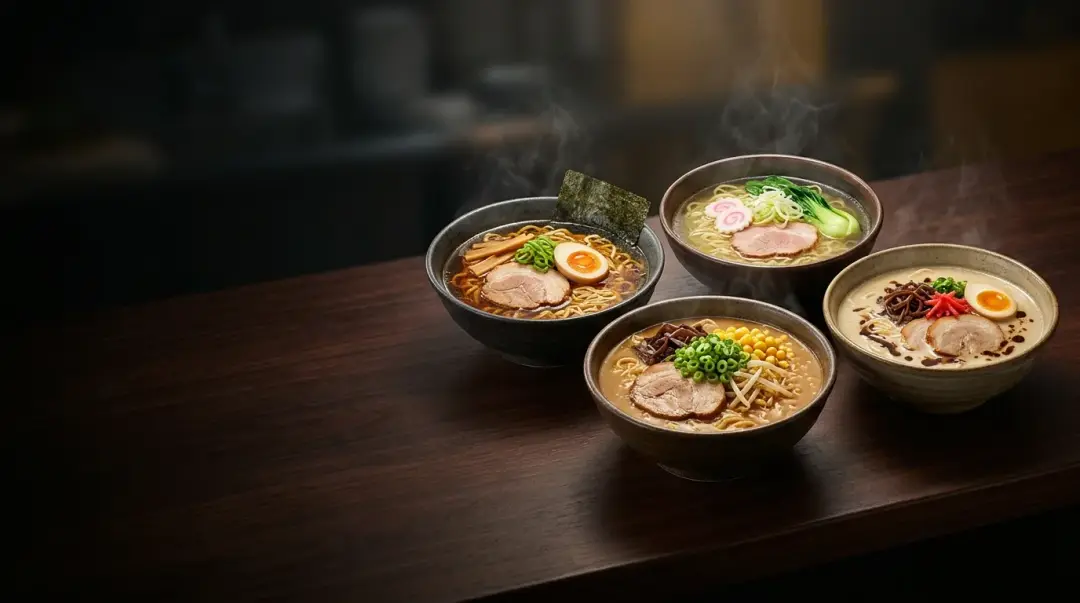
Tonkotsu is a broth, not a tare. The pork-bone stock goes over a shoyu or shio tare like any other, which is why menus list combinations such as tonkotsu-shoyu. Our guide to the four classical broths maps the regional schools behind each pairing.
How Tare Differs From Broth
Ramen splits its soup into two parts that cook on different schedules and do different jobs.
The broth is volume and body. It is chicken, pork, seafood or a blend, simmered for hours, and kept unsalted or close to it. The NoodleDex bowl guide quotes Sho Spaeth of Serious Eats: "every bowl of ramen is seasoned with a tare." The stock itself is infrastructure.
The tare is salt and identity. It is made in small batches, keeps for weeks (shoyu longest, miso shortest), and goes into the bowl one portion at a time. That separation is the reason a shop can run a shoyu bowl and a shio bowl from one pot of chicken stock. It is also why home cooks who salt the stock pot end up stuck: once the broth is seasoned, a second tare will over-salt it.
The noodle plays into the balance. Ramen noodles are made with kansui, an alkaline mineral water that gives them their chew and yellow tint. At higher concentrations kansui leaves a faint bitter, mineral note, and our kansui explainer points out that a salty, fatty tare is the counterweight most shops rely on.
| Broth | Tare | |
|---|---|---|
| Share of the bowl | ~90% of the liquid | ~5–10% of the liquid |
| Main job | Body, temperature, collagen and fat | Salt, umami, identity |
| Salted? | No, or very lightly | Heavily |
| When it's added | Poured hot over the tare | First, into the empty bowl |
| Batch life | Days | Weeks for shoyu, shorter for miso |
The Third Component: Aroma Oil
A bowl built from broth and tare alone tastes thin. The missing piece is fat, and shops add it on purpose as aroma oil, called komiabura (香味油, "flavoring oil") in Japanese.
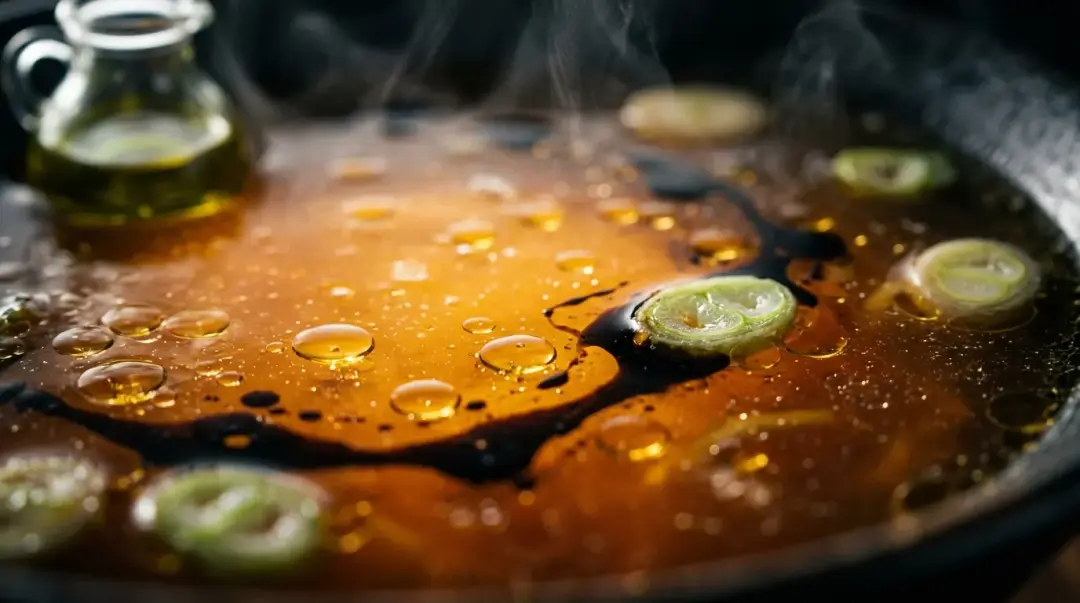
Aroma oil goes into the bowl with the tare, before the broth. It rises to the surface and floats as droplets, and it carries flavor the water-based soup cannot. The Takeout's explainer on aroma oil makes the case in chemistry terms: fat-soluble flavor compounds from garlic, onion and ginger are captured in fat, so infusing them into oil puts those aromas on the surface of every spoonful.
Quantities follow the tare's lead. Just One Cookbook pairs its 2 tablespoons of shio tare with 1 tablespoon of aroma oil per 350 ml of broth. Life By Mike G gives 10 to 15 ml per 350 ml. Either way the oil is about half the volume of the tare.
Three oils show up on most menus, and Myojo USA's guide to komiabura describes each:
Common ramen aroma oils
| Oil | What it is | Where you see it |
|---|---|---|
| Chiyu (CHEE-yoo) | Chicken fat rendered from fried chicken skin | Yokohama iekei ramen, and widely elsewhere |
| Mayu (MAH-yoo) | Garlic fried in stages in lard until black, then ground to a paste | Kumamoto ramen |
| Rayu (RAH-yoo) | Chili peppers heated in sesame oil | Tantanmen and spicy bowls |
Animal fats such as chicken fat and lard taste deeper and look duller on the surface; plain vegetable oil makes brighter droplets but adds little flavor on its own, per The Takeout. That is why vegetable-oil versions are infused hard. Just One Cookbook simmers ¼ cup neutral oil with chicken skin, scallion greens and garlic for 10 to 15 minutes. Ramen Culture's scallion and bonito oils go slower, heated gradually to 120°C over about 90 minutes.
The oil also carries calories. A tablespoon of lard-type fat is about 115 kcal, by the NoodleDex ramen calorie ledger, and asking for no aroma oil is one of that page's suggested trims.
Stocking a Tare Shelf
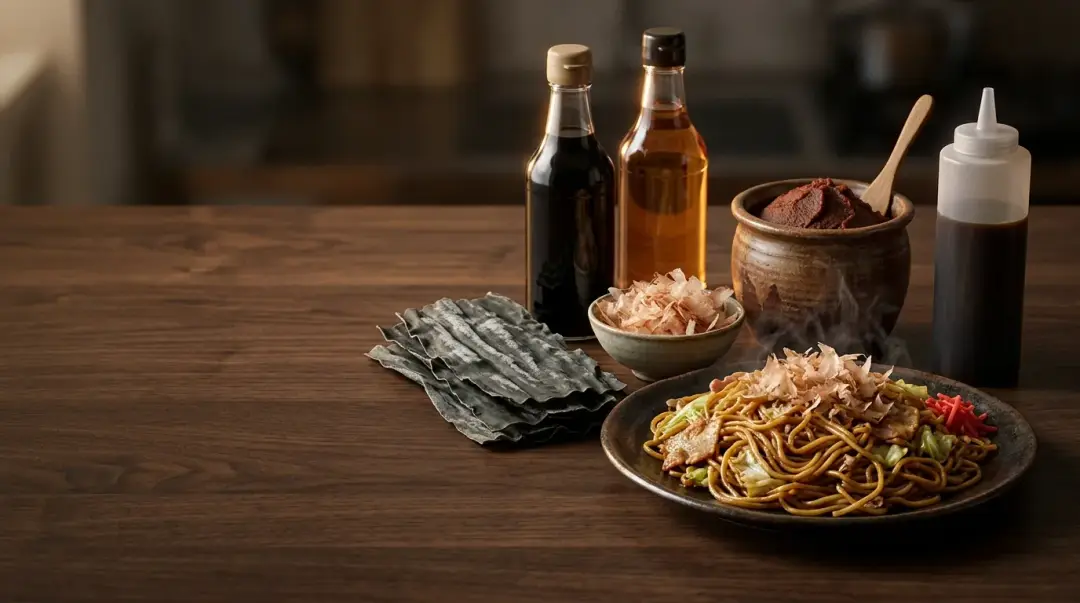
Every tare on this page starts from the same few bottles. Soy sauce, mirin and sake cover shoyu tare and most of shio. Kombu and bonito flakes cover the umami side. A tub of red miso and one of white let you blend a Sapporo-style miso tare to taste. Our Japanese pantry essentials guide picks the specific brands, including Kikkoman soy sauce and Hikari's organic red miso.
For the noodles, fresh beats dried for any of these bowls. Sun Noodle supplies many US ramen shops and sells a Shoyu Ramen Soup Mix at Whole Foods that pairs fresh noodles with a ready shoyu base; our ramen noodle picks cover the rest.
Run the Two-Bowl Test
The clearest way to understand tare is to change nothing except the tare.
Make one pot of plain, unsalted chicken stock. Store-bought works if you first simmer it with kombu, dried shiitake and ginger for 30 minutes, the fix our bowl guide recommends for flat commercial stock. Make a small jar of shoyu tare at 4:2:1 and a small jar of shio tare from salt, sake, mirin and a splash of dashi. Bring both jars to room temperature first. Cold tare drops a bowl's temperature by 10 to 15°F.
Set out two warmed bowls. Put 2 tablespoons of shoyu tare in the first and 2 tablespoons of shio tare in the second. Add 1 tablespoon of the same aroma oil to each; scallion oil is the easiest to make. Ladle 350 ml of boiling stock into each bowl, stir for a few seconds, and taste the soup before any noodles go in.
The shoyu bowl reads darker and rounder, with soy's fermented depth over the chicken. The shio bowl reads lighter and lets the chicken come forward, which is exactly why it punishes a weak stock. If either tastes flat, add tare in half-tablespoon steps until it tastes like seasoned soup and not like salted water. Note how much you added. That number, for your stock and your bowls, is your house ratio.
Then cook one portion of fresh noodles, split it between the bowls, and taste again with noodles in the mouth. The alkaline noodle changes how the salt lands, so settle on your number only after this second taste.
FAQ
What is tare in ramen?
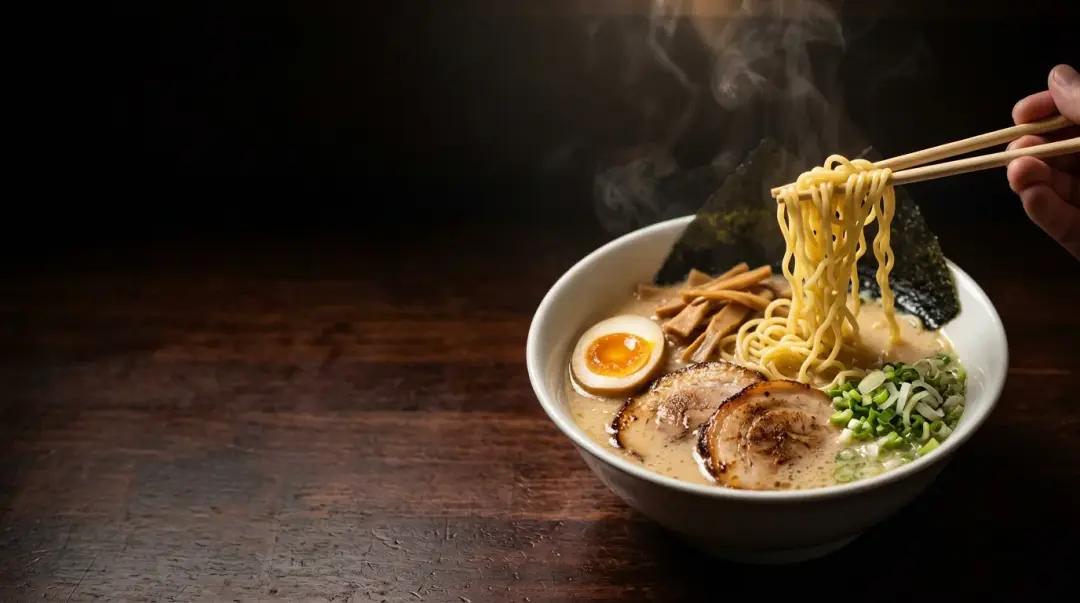
Tare is the concentrated seasoning spooned into an empty ramen bowl before the hot broth goes in. Its main job is salt, and it usually adds umami and sweetness too. The type of tare names the bowl: soy-based tare makes shoyu ramen, salt-based tare makes shio, and miso-based tare makes miso ramen.
Is tare the same as ramen broth?
No. Broth is the large volume of stock, usually chicken, pork, seafood or a blend, and it is kept unsalted or nearly so. Tare is the small, salty concentrate added per bowl. A shop can pour the same stock over different tares and serve shoyu and shio ramen from one pot.
How much tare goes in a bowl of ramen?
Usually about two tablespoons, or 30 to 35 ml, for a 350 ml bowl of broth. That is roughly 8 to 10 percent of the liquid. Miso tare recipes sometimes use less, around one tablespoon per 300 ml. Start low, taste after the broth goes in, and add more in half-tablespoon steps.
What is kaeshi?
Kaeshi is a soy-based tare term borrowed from Japanese soba shops. It refers to soy sauce heated gently with mirin and sugar, then rested in the fridge for days or weeks so the salty edge softens. Some cooks use kaeshi and shoyu tare as synonyms; others reserve kaeshi for the aged version.
Does tonkotsu ramen have tare?
Yes. Tonkotsu names the pork-bone broth, not the seasoning, so every tonkotsu bowl still gets a tare at the bottom. Most shops use a shoyu or shio tare. That is why you can find tonkotsu-shoyu bowls on menus: the name stacks the broth and the tare.
What is aroma oil in ramen?
Aroma oil, called komiabura in Japanese, is fat or oil infused with flavor and added to the bowl along with the tare. Common versions are chicken fat (chiyu), black garlic oil (mayu) and chili oil (rayu). It floats on top, carries fat-soluble aromas from garlic or scallion, and adds about a tablespoon per bowl.
Read Next
Products mentioned in this guide
This section contains affiliate links. We may earn a commission at no extra cost to you.

Kikkoman Naturally Brewed Soy Sauce, 15 oz
The base of a first shoyu tare. It makes up four of the seven parts in the standard home ratio, so a widely stocked brewed soy sauce is the right place to start.
View on Amazon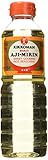
Kikkoman Manjo Aji-Mirin, 10 fl oz
Mirin rounds the salt in shoyu, shio and miso tare alike. One bottle covers several batches at two parts per seven in the shoyu ratio.
View on Amazon
Hikari Organic Miso Paste, Red, 17.6 oz
For a Sapporo-style miso tare. Red miso gives the deeper fermented note; blend it with a white miso if the bowl tastes too heavy.
View on Amazon
Sun Noodle Shoyu Ramen Soup Mix, 12.8 oz
Fresh noodles with a ready shoyu soup base, sold at Whole Foods. Useful as a control bowl before you make tare from scratch.
View on Amazon
Ciwete 2 Qt Stainless Steel Saucepan with Glass Strainer Lid
Shoyu tare is warmed gently in a small pan, and a 2-quart saucepan suits a home batch of soy, mirin and sake. This one is tri-ply stainless steel with a glass lid and works on induction.
View on Amazon
Cornucopia Brands 8 oz HDPE Squeeze Bottles with Yorker Tips (6-pack)
This page suggests adjusting tare in half-tablespoon steps, and a squeeze bottle lets you dose it and keep rested tare in the fridge. This is a six-pack of 8 fl oz HDPE bottles with narrow tips.
View on Amazon
Browse more related items
Opens Amazon · affiliate links
Buying guides for this topic
- Buying guideBest Japanese Pantry Essentials in 2026The 10 Japanese pantry items needed to cook ramen, udon, soba, and yakisoba at home. Soy, dashi, mirin, miso, and yakisoba sauce, ranked.
- Buying guideBest Ramen Noodles & Kits in 2026The best fresh and dry ramen noodles, plus premium ramen kits, available on Amazon — Sun Noodle, Hakubaku, Marusan, and Maruchan Seimen ranked.
- Buying guideBest Japanese Cookware in 2026The donabe, ramen bowls, sōmen sets, and tools you need to cook Japanese noodles at home. Real US Amazon picks across budget tiers.