Do Egg Noodles Have Wheat or Gluten? Safe Swaps
· 10 min read · NoodleDex Editorial
Yes, egg noodles contain wheat and gluten, including Reames, Pennsylvania Dutch and No Yolks. Swaps: Jovial GF tagliatelle or certified GF rice noodles.
This page contains affiliate links. We may earn a commission at no extra cost to you. Disclosure
On this page(10 sections)
- Why egg noodles contain gluten
- What "gluten-free egg noodle" products actually contain
- Gluten-free egg noodles: certified brands in the US
- For celiacs: read the label, not the marketing
- For gluten-sensitive non-celiacs: slightly more flexible
- Substitution guide — when a recipe calls for egg noodles
- What's not a good substitute
- If you only remember one thing
- FAQ
- Products mentioned in this guide
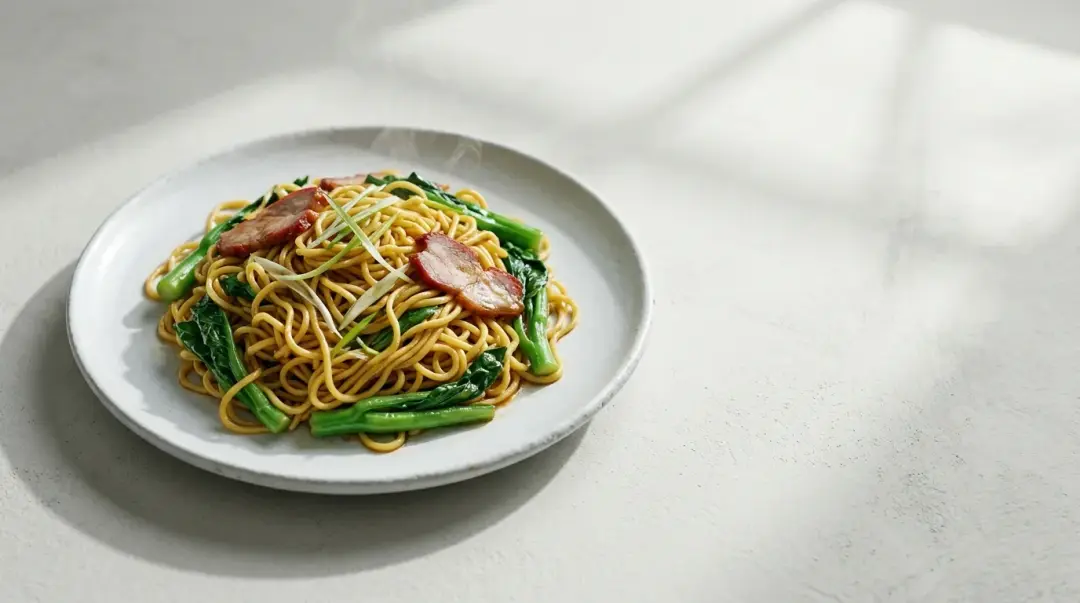
No. Traditional egg noodles are not gluten-free. They are made from wheat flour, eggs, water, and salt — and wheat flour contains gluten. Every standard egg-noodle product on a US grocery shelf — Reames, Pennsylvania Dutch, No Yolks, Hakubaku, every Chinese fresh egg noodle, every Italian pasta all'uovo — contains gluten and is not safe for celiac disease or gluten intolerance.
That's the direct answer. The rest of this page covers what is safe, what certified gluten-free egg-style pastas actually contain, and what to substitute when a recipe calls for egg noodles.
Why egg noodles contain gluten
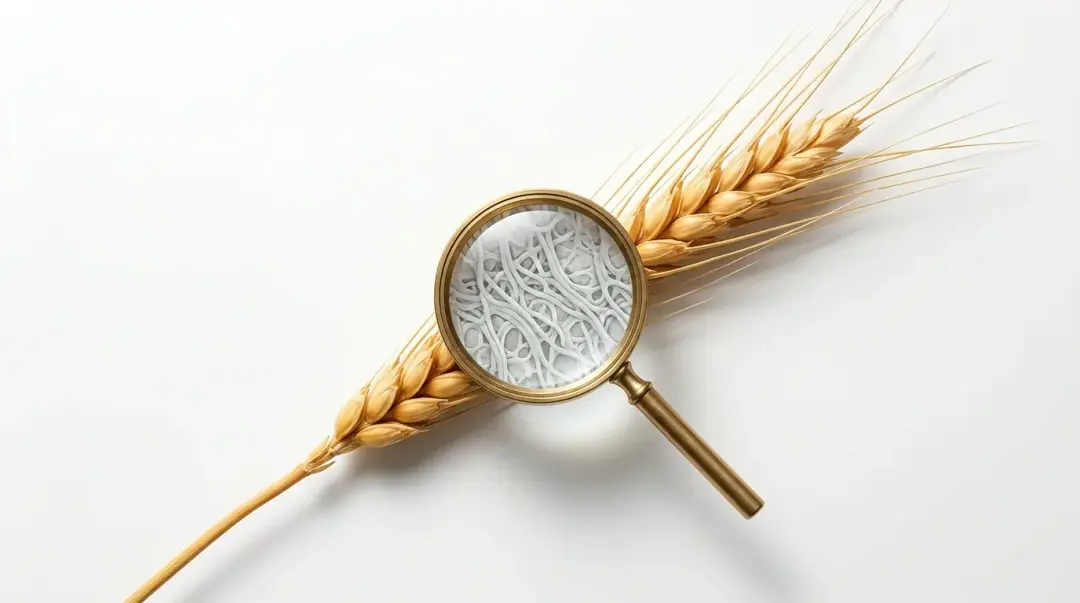
The structure of an egg noodle is built by wheat, not by egg.
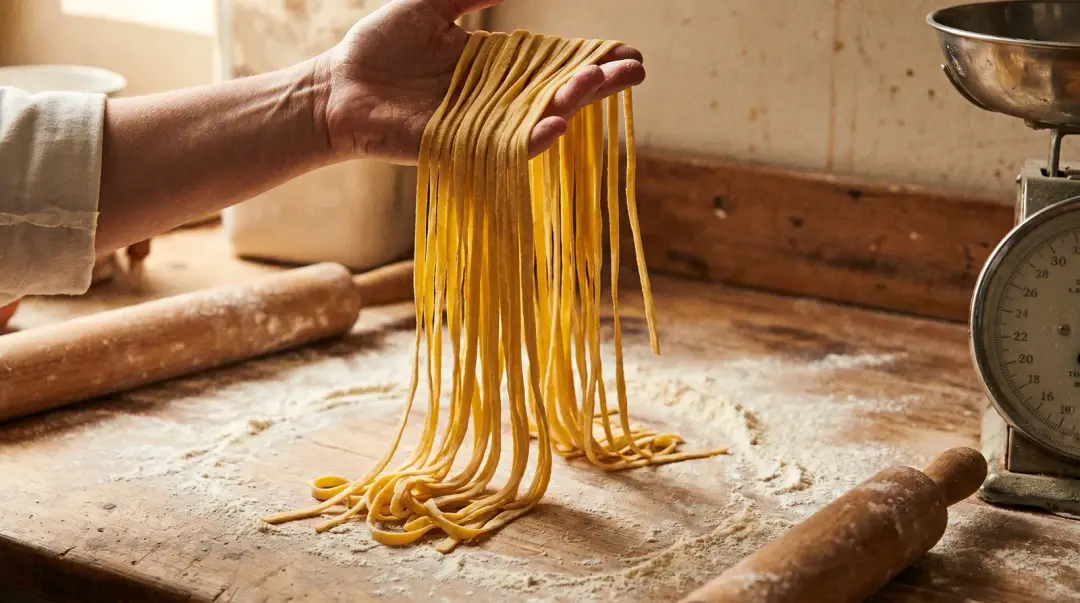
When you mix wheat flour with water, two proteins (glutenin and gliadin) bond together to form gluten — a stretchy, elastic protein network. That network is what gives noodles their chew, their ability to hold a shape, and their resistance to dissolving in hot broth. Egg adds richness, color (the yolk pigments turn the noodle pale yellow), and a small amount of additional protein and fat. But egg does not form a structural network the way gluten does. Without the wheat, the dough wouldn't hold together — it would crumble into wet crumbs the moment you tried to roll it out.
This is why "egg noodle" is a category defined by the addition of egg to a wheat-flour base, not by egg as the primary ingredient. A typical Pennsylvania Dutch–style egg noodle is roughly 75% wheat flour, 18% egg, 5% water, 2% salt by weight. The egg is the flavor signature; the wheat is the architecture.
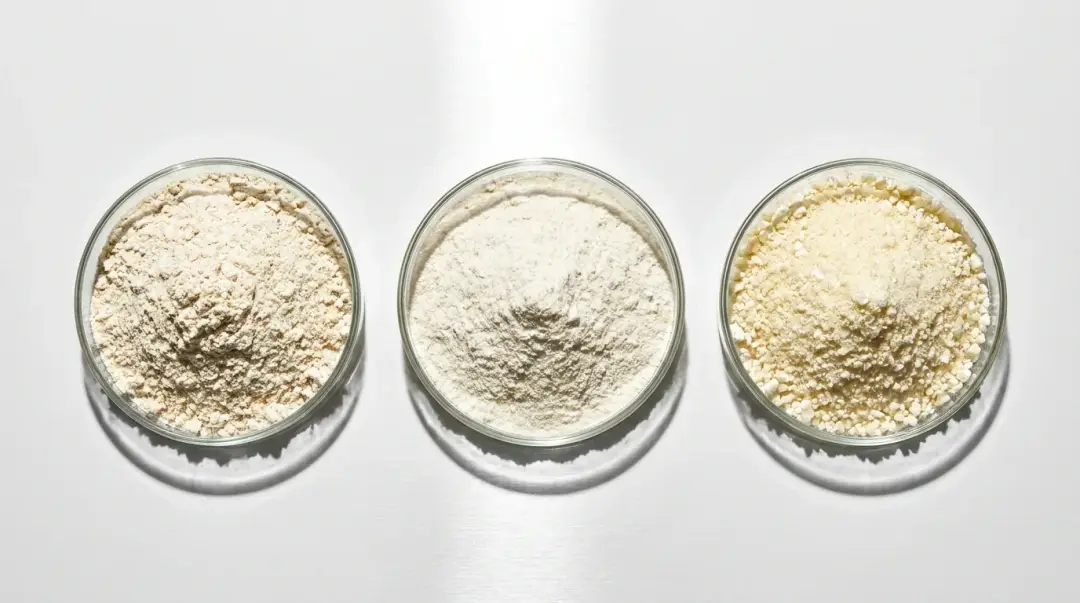
This is also why a product cannot be "egg noodles" and "gluten-free" using the exact same formulation. To make a gluten-free version, the manufacturer has to swap the entire base flour — usually for rice flour, corn flour, or cassava — and then engineer a new structural system, typically with xanthan gum or psyllium husk standing in for what gluten used to do.
What "gluten-free egg noodle" products actually contain
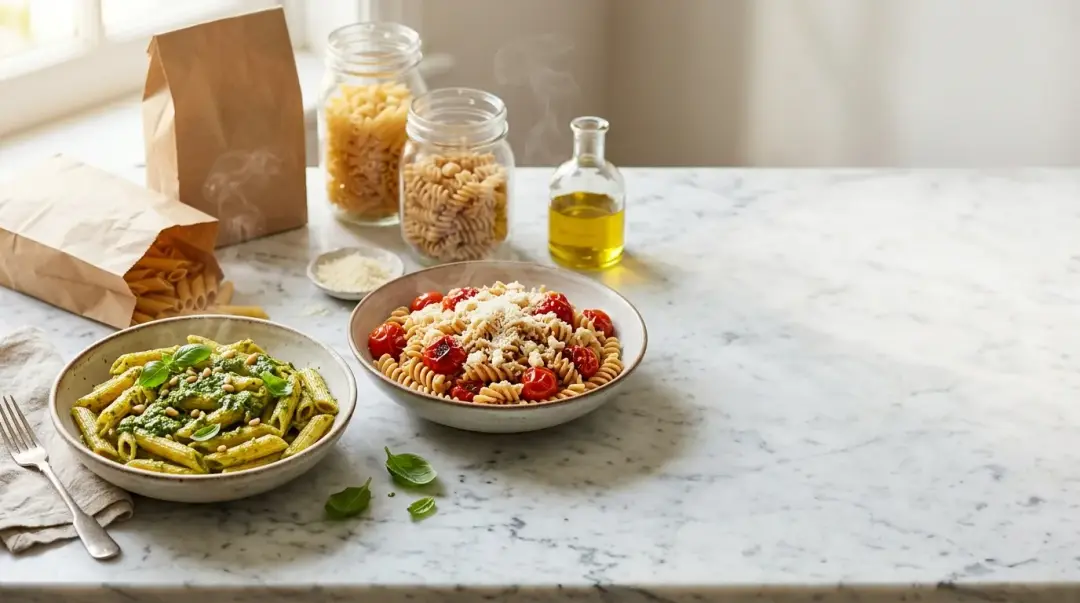
Products marketed as gluten-free egg noodles or gluten-free egg pasta do exist. They are not the same thing as traditional egg noodles. Here is what's actually inside the most common formulations on the US market.
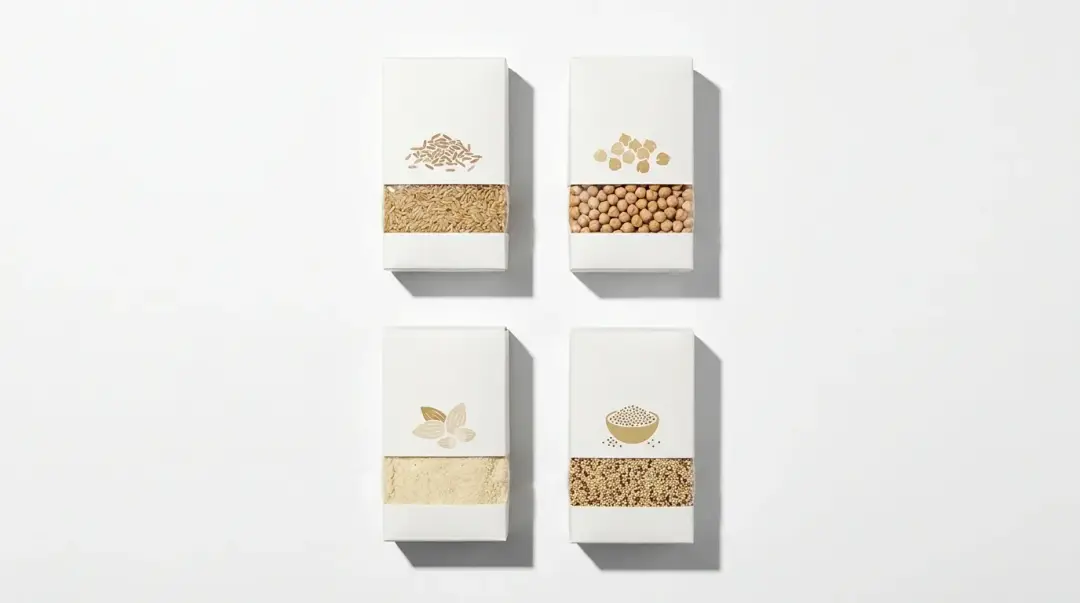
Rice flour + egg + xanthan gum. This is the Jovial Foods pattern — brown rice flour replaces semolina, whole egg provides richness, and a small amount of xanthan gum binds the dough. The resulting noodle has a similar yellow color to traditional egg pasta and approximates the bite, though it cooks slightly faster and turns to mush if overcooked.
Corn flour + rice flour + egg. This is the Schar Italian-style approach — a blend of corn and rice flours provides the structural base, with egg for color and richness. The texture is slightly grainier than Jovial's rice-only formula but holds sauce well.
Cassava (or almond) flour + egg. This is the grain-free route, used by brands like Cappello's. The base is almond flour (or sometimes cassava), and these products are typically sold frozen because they don't shelf-stabilize as easily as rice-flour pasta. The texture is the closest match to fresh wheat egg pasta of any gluten-free option.
Chickpea flour + egg. Banza's egg-style line uses chickpea flour as the base. This produces a higher-protein, denser noodle with a noticeably beany finish that some eaters love and some don't. It's gluten-free but tastes distinctly different from wheat egg noodles — it's more its own category than a substitute.
Across all four formulations, the takeaway is the same: the "egg noodle" character (yellow color, slightly rich flavor, soft chewy bite) is approximated, but the wheat-gluten texture isn't reproduced. The closest match is Cappello's frozen; the most accessible is Jovial.
Gluten-free egg noodles: certified brands in the US
The label gluten-free egg noodles is a niche search term — most products in this category are labeled gluten-free egg pasta or fresh pasta with eggs instead. Here are the brands actually stocked in US grocery and online as of 2026.
Jovial Foods Gluten-Free Egg Tagliatelle. Brown rice flour plus whole egg. Certified gluten-free by GFCO (the Gluten-Free Certification Organization, 10 ppm threshold — stricter than the FDA's 20 ppm). Made in a dedicated gluten-free facility in Italy. Available at Whole Foods, Sprouts, Wegmans, and Amazon. This is the standard reference product — if you only buy one gluten-free egg pasta, buy this one.
Cappello's Fresh Pasta with Eggs. Almond flour plus egg, sold frozen. Grain-free, paleo-friendly. The texture comes closest to fresh wheat egg pasta of any gluten-free option, but it requires freezer space and a different cooking approach (don't overcook — almond flour pasta breaks down fast).
Banza Chickpea Pasta. Chickpea flour base. Egg is not the dominant note here, but the protein-rich denseness of chickpea pasta makes it a workable substitute for egg noodles in heartier applications (beef stroganoff, casseroles). Certified gluten-free, dedicated facility.
Schar Gluten-Free Pasta. Corn-and-rice flour blends, egg in some SKUs. European brand widely stocked at US grocers. Reliable, certified gluten-free, made in a dedicated facility.
King Soba Buckwheat & Rice Noodles. Not strictly an egg-noodle replacement, but worth knowing — King Soba's 100% buckwheat (not blended with wheat) noodles are certified gluten-free and can substitute in Asian noodle applications where egg noodles are typical.
What you won't find: a Reames-style, dense-chewy frozen gluten-free egg noodle. That product category essentially doesn't exist in 2026. The closest analog is Cappello's frozen fresh pasta, which is a different product entirely.
For celiacs: read the label, not the marketing
Celiac disease is an autoimmune condition. Even trace gluten exposure — measured in parts per million — can damage the small intestine. For celiac shoppers, the question is not "does this say gluten-free on the front" but "is this product certified, and where was it made?"
Three rules that matter.
Look for the GFCO logo (a stylized "GF" inside a circle) on the package. GFCO certification requires testing at 10 ppm or below, which is half the FDA's gluten-free threshold (20 ppm). For sensitive celiacs, that difference matters.
Check for dedicated-facility language. The packaging will often say something like "made in a dedicated gluten-free facility" or "made in a facility that does not process wheat." If a product is labeled gluten-free but is made in a shared facility, the cross-contact risk is real even when the testing comes back at sub-20 ppm.
Standard egg noodles are not safe for celiacs even in trace amounts. Pennsylvania Dutch, Reames, No Yolks, Hakubaku egg noodles, and every brand of fresh Chinese egg noodle have wheat as the primary ingredient — not a trace contaminant. There is no "small amount" of these products that is safe. Don't let a family member talk you into "just a few noodles in the soup."
The three brands that meet the dedicated-facility bar are Jovial (Italy), Banza (US), and Cappello's (US). If you're shopping for a celiac, those three are the safest defaults.
For gluten-sensitive non-celiacs: slightly more flexible
Non-celiac gluten sensitivity (NCGS) is a separate condition — the immune reaction is different, the diagnostic criteria are looser, and individual tolerance varies a lot. Some NCGS eaters tolerate small amounts of wheat without symptoms; others react to trace exposure the way celiacs do.
An observation, not a recommendation: some NCGS eaters tolerate egg-rich noodles slightly better than dense pasta because the egg content reduces the total wheat per gram (a 75% wheat noodle delivers less gluten per serving than 100% wheat semolina pasta). This is anecdotal pattern-recognition from NCGS communities, not clinical guidance. Your tolerance is your own.
For celiac disease, no version of this flexibility applies. Wheat is wheat.
Substitution guide — when a recipe calls for egg noodles
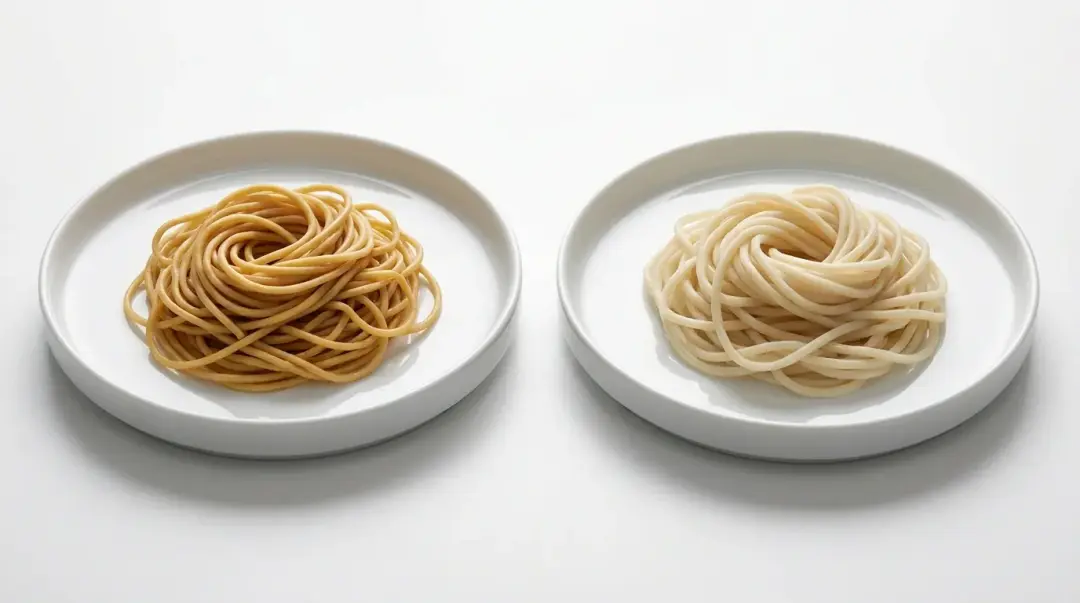
The substitute depends on the dish. Whatever you pick, cook it in a roomy pot and drain it in a colander kept for gluten-free use, since egg noodles contain wheat and a shared colander can carry it over.
For beef stroganoff or buttered noodles (the classic American egg-noodle applications): use Jovial Gluten-Free Egg Tagliatelle. Same shape, same yellow color, holds butter and cream sauces correctly. Cook one minute less than the package says — GF pasta turns to mush faster than wheat.
For chicken noodle soup or Pennsylvania Dutch–style soup noodles: use Jovial Egg Tagliatelle broken into shorter pieces, or Banza small shapes if you want more protein. Avoid pure rice noodles in soup — they absorb broth aggressively and turn pasty.
For Chinese-style lo mein or chow mein (which traditionally uses fresh wheat egg noodles): use rice noodles (banh pho or pad thai noodles, depending on thickness preferred), not gluten-free wheat-style pasta. Rice noodles are the actual culturally-correct substitute — many Southern Chinese noodle dishes use them by tradition. For the egg-richness, finish with a small pat of butter or a beaten egg stirred in at the end of cooking.
For Italian pasta all'uovo dishes (fettuccine Alfredo, carbonara, tagliatelle Bolognese): use Cappello's frozen fresh pasta if you can find it, or Jovial GF egg tagliatelle as the everyday option. Cappello's is the closest texture match; Jovial is the more widely available.
For Eastern European haluski or kugel: Jovial GF egg tagliatelle, cut to shorter lengths. The dense bake-and-fry applications are the hardest to substitute for — almond-flour pastas like Cappello's can scorch under high oven heat.
What's not a good substitute
A few categories regularly get suggested as egg-noodle substitutes and shouldn't be.
Pure rice vermicelli is too thin and delicate to work as an egg-noodle stand-in for Western applications. It dissolves in soup and breaks under sauce weight. Fine for Vietnamese and Thai dishes — wrong for stroganoff.
Shirataki konjac noodles alone are too rubbery and water-heavy to mimic egg-noodle texture. Some keto-focused egg-noodle substitute recipes call for shirataki — the result is chewable but the texture is genuinely off. If you want to use shirataki, blend it 50/50 with a rice-flour GF pasta for better balance.
Standard wheat-style gluten-free pasta (Barilla GF, Ronzoni GF) works fine for spaghetti shapes but tends to cook to mush in egg-noodle applications. Egg noodles are typically served in dishes with long simmer times (chicken soup, casseroles) where they need to hold structure for 15+ minutes after cooking. Most GF wheat-mimicking pastas fail that test. Jovial's egg pasta line is engineered specifically to hold up to longer cooking; Barilla's standard GF line is not.
Cauliflower or vegetable "noodles" (spiralized zucchini, hearts of palm noodles) are a different category — they're not noodles, they're vegetables shaped like noodles. They release water, change the dish's consistency, and don't behave like pasta. Good food, not a substitute.
If you only remember one thing
Standard egg noodles contain wheat. They are not gluten-free, and there is no clever interpretation under which they are. If you need a gluten-free egg-noodle replacement, Jovial Foods Gluten-Free Egg Tagliatelle is the standard answer — certified GF, dedicated facility, available at most major US grocers, and close enough in texture to swap into nearly any egg-noodle recipe with one minute less cook time.
For deeper context on the traditional category, see Egg Noodles Explained. For the full buying guide on GF pasta across all shapes, see Best Gluten-Free Pasta. For the traditional (wheat-based) egg-noodle buying guide, see Best Egg Noodles.
FAQ
Are Pennsylvania Dutch egg noodles gluten-free?
No. They list semolina (durum wheat) and enriched wheat flour as the first ingredients. Not celiac-safe.
Is Reames egg noodles gluten-free?
No. Reames is built on durum wheat flour. The frozen texture that defines the product is a wheat-gluten texture. No GF SKU exists.
What about Hakubaku organic egg noodles?
Also no — the Hakubaku egg-noodle line uses organic wheat flour. Hakubaku does make a separate 100% buckwheat soba that is gluten-free, but it's a different product.
Can celiacs eat Italian egg pasta?
Not standard pasta all'uovo, no — it's made with durum wheat semolina. The exception is certified gluten-free Italian egg pasta from brands like Jovial, made with brown rice flour.
What's the closest gluten-free substitute for egg noodles?
Jovial Foods Gluten-Free Egg Tagliatelle is the standard answer. For grain-free, Cappello's frozen fresh pasta is the closest texture match.
Is there cross-contamination risk with gluten-free egg noodles?
Yes, unless the product carries a GFCO certification mark and is made in a dedicated gluten-free facility. Jovial, Banza, and Cappello's all meet that bar.
Do egg noodles have wheat?
Yes. Standard egg noodles are made from wheat flour (often durum semolina), eggs, water and salt, with wheat as the first ingredient. That includes Reames, Pennsylvania Dutch, No Yolks and most Chinese egg noodles. Only products labeled gluten-free, such as Jovial's brown rice egg tagliatelle, replace the wheat.
Are Chinese egg noodles gluten-free?
No. Chinese egg noodles, including lo mein, wonton and chow mein noodles, are wheat flour and egg, often with alkaline salts added. For a gluten-free Chinese-style dish, use rice noodles instead and check the pack for a dedicated gluten-free facility.
Are No Yolks noodles gluten-free?
No. No Yolks replaces the yolk with egg whites to cut cholesterol, but the noodle is still made from wheat flour, so it contains gluten.
Where can you buy gluten-free egg noodles?
Look for certified gluten-free brands such as Jovial, whose egg tagliatelle is made from brown rice flour and egg in a dedicated gluten-free facility. They are sold at natural-food grocers and on Amazon. The certified brand list above covers the current US options.
Do egg noodles have gluten in them?
Yes. Egg noodles are made from wheat flour, so they contain gluten. The egg adds richness and color but does not replace the wheat. Only products labeled gluten-free, such as Jovial's brown rice egg tagliatelle, are made without it.
Are egg noodles safe for celiacs?
No. Standard egg noodles contain wheat and are not safe for celiac disease. Choose a certified gluten-free egg pasta such as Jovial's, or rice noodles for Chinese-style dishes.
Read Next
Products mentioned in this guide
This section contains affiliate links. We may earn a commission at no extra cost to you.

Jovial Gluten-Free Egg Tagliatelle
The swap this page keeps pointing to: brown rice flour and whole egg, GFCO certified. Cook it a minute under the package time for stroganoff or buttered noodles.
View on Amazon
Banza Chickpea Pasta Variety Pack, 8 oz (Pack of 6)
Denser and higher in protein than egg noodles, which suits casseroles and chicken soup. Expect a light bean finish.
View on Amazon
Three Ladies Brand Rice Stick Pad Thai Noodle (14 oz, 3-pack)
For gluten-free lo mein or chow mein, rice noodles are the better stand-in than wheat-style GF pasta. Check the pack for a dedicated-facility claim if you cook for a celiac.
View on Amazon
DLD Stainless Steel Micro-Perforated 5-Quart Colander
Egg noodles contain wheat, so a separate colander for gluten-free pasta keeps wheat residue out of a mixed kitchen. This listing is a 5-quart stainless steel colander with micro-perforations, a wide base and an easy-grasp handle.
View on Amazon
Cook N Home 8 Quart Stainless Steel Pasta Pot with Strainer Lid
Gluten-free pasta turns to mush faster than wheat, and a big pot of water gives a swap room to cook evenly without sticking. This listing is an 8-quart stainless steel pot with a strainer insert, a steamer insert and a tempered glass lid.
View on Amazon
Browse more related items
Opens Amazon · affiliate links
Buying guides for this topic
- Buying guideBest Gluten-Free Pasta in 2026Banza, Jovial, Tinkyada, Barilla GF — the best gluten-free pasta brands on US Amazon, ranked by texture and use case.
- Buying guideBest Egg Noodles: Reames to Pennsylvania DutchReames, Pennsylvania Dutch, No Yolks and Hakubaku: the four US egg noodle brands worth buying, ranked for stroganoff, soup and stir-fry.