Fresh vs Dried Noodles: Cook Times, Storage & Taste
· 9 min read · NoodleDex Editorial
Fresh vs dried noodles compared: cook times, moisture, shelf life and sauce pairings for pasta, ramen and udon, plus when frozen noodles beat both of them.
This page contains affiliate links. We may earn a commission at no extra cost to you. Disclosure
Three Pots, One Timer: The Kitchen Test
Put three pots of water on to boil, one for pasta, one for ramen, one for udon, and lay out two versions of each noodle: a fresh or frozen pack and a dried one. Every time below comes from the package or the maker's published instructions, so you can repeat the test at home.
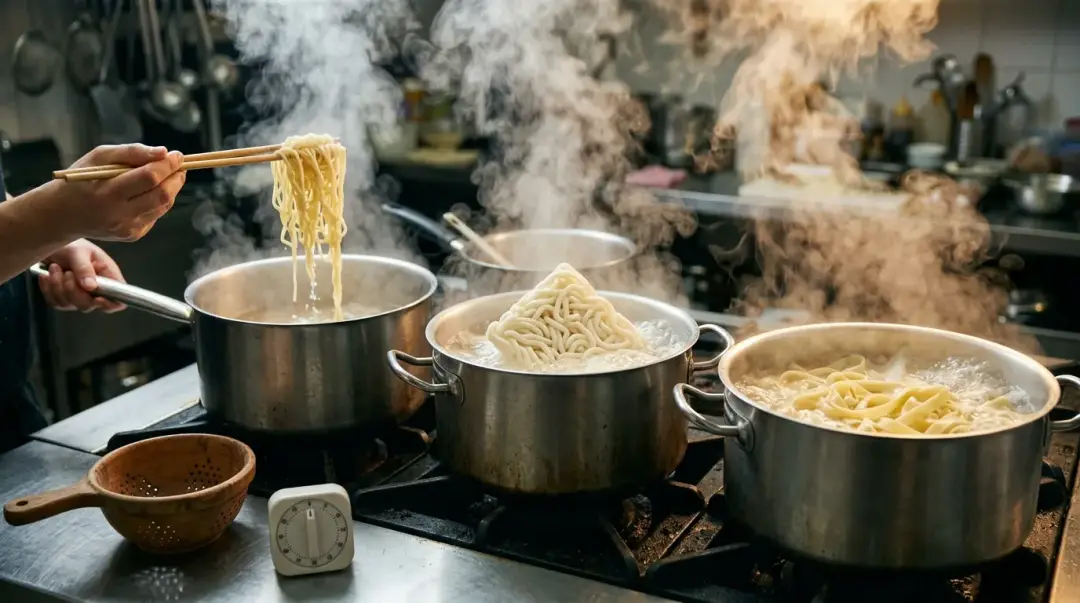
Minutes from water-in to drained, same dish, fresh vs dried
| Noodle | Fresh or frozen | Cook time | Dried | Cook time |
|---|---|---|---|---|
| Fettuccine | Rana fresh (refrigerated) | 2 min | Barilla dried | 12 min |
| Ramen | Sun Noodle fresh | 1 min 30 sec | Hakubaku organic (dried, non-fried) | 4 min |
| Udon | Frozen Sanuki-style block | 1 to 1.5 min | Hakubaku dried udon | 10 min |
Minute 1. The frozen udon block hits the water and loosens almost at once. Shirakiku's bag says one minute; TableMark's frozen Sanuki udon says a minute and a half. These blocks are already cooked, so the pot is only reheating them.
Minute 1:30. Sun Noodle's fresh ramen comes out. The strands are pale yellow and glossy from kansui (alkaline mineral water), and they spring back when you lift them with chopsticks.
Minute 2. Rana's fresh fettuccine is done. The ribbons are soft, slightly translucent at the edges, and they swell visibly in the colander as the surface keeps drinking water.
Minute 4. The dried Hakubaku ramen is ready. It tastes like ramen but eats a little denser and less bouncy than the fresh pot.
Minute 10. The dried udon finishes, a full nine minutes behind the frozen block, and noticeably softer at the center.
Minute 12. Barilla's dried fettuccine finally reaches al dente. It is firmer from edge to core, with a faint resistance in the middle that the fresh ribbon never had.
With fresh noodles done in under three minutes, a large pot with a strainer insert lets you lift them out on the dot instead of fishing them from the water. The general pattern holds outside these brands. Safeway's cooking guide puts dried spaghetti at 9 to 10 minutes and dried fettuccine at 10 to 12, fresh egg pasta at 1 to 3, and refrigerated store-bought fresh pasta somewhere around 4 to 5.
Why the Clock Runs So Differently
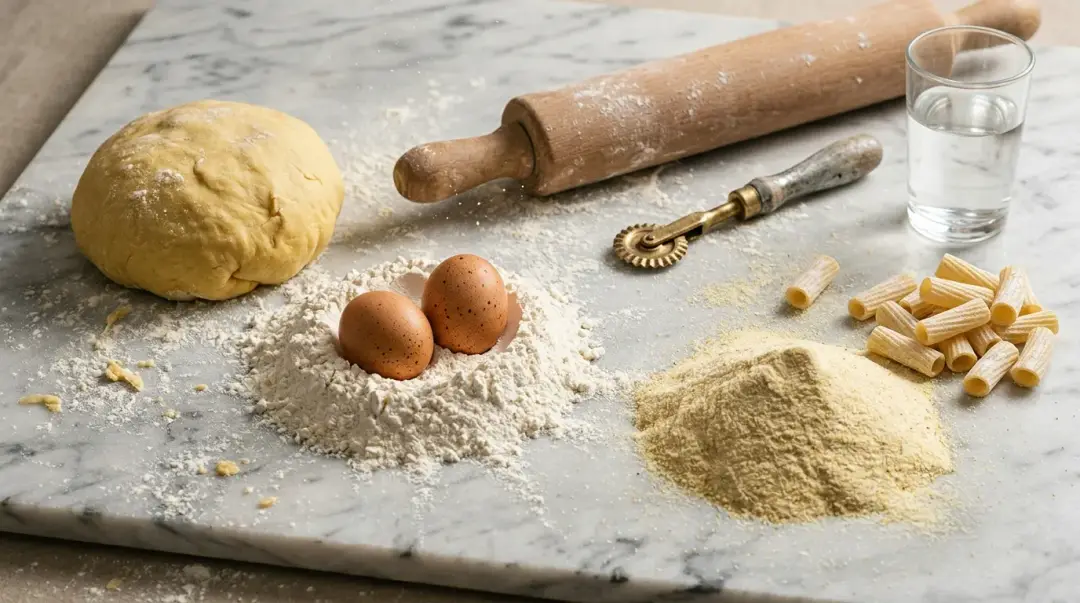
Water content
Italy's pasta law (DPR 187 of 2001) spells it out. Packaged fresh pasta must hold at least 24% moisture and has to be heat-treated to at least pasteurization level, then kept at 4°C (39°F) or colder. Dried pasta can hold no more than 12.5%. Freshly mixed pasta dough sits around 30% water before drying, according to the trade outlet Italian Food Tech, and factories bring it down to about 12%.
That gap is the whole cook-time story. A dried strand has to pull water back into a dense, glassy starch network before the starch can gelatinize (swell and soften). A fresh strand is already hydrated. The heat only has to set it.
Egg vs semolina
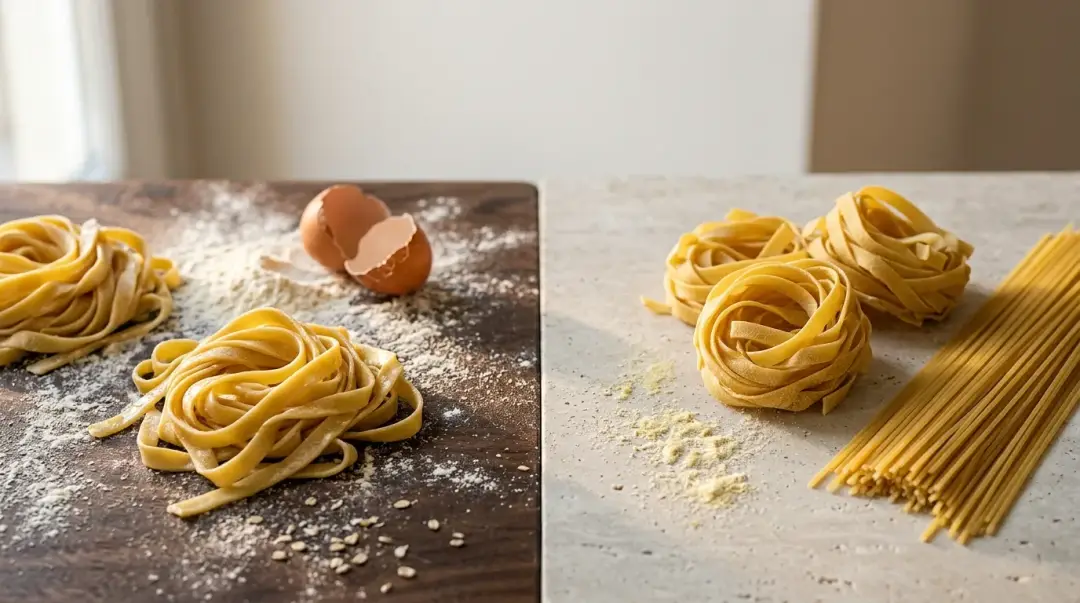
The flour usually changes too. Barilla's fettuccine is one ingredient: durum wheat semolina, a coarse, high-protein flour that gives dried pasta its firm, almost springy bite. Rana's fresh fettuccine contains egg, and Italian pasta all'uovo (egg pasta) often runs one whole egg per 100 g of flour. Egg fat keeps the cooked strand tender, and egg protein lets a soft-flour dough hold together without the long drying that semolina pasta gets. Our egg noodles vs pasta guide goes deeper on that split.
Ramen follows its own rules. Fresh and dried ramen are both wheat plus alkaline salts (Sun Noodle lists potassium and sodium carbonate, Hakubaku lists mineral salts E500 and E501), so the fresh-vs-dried difference there comes down to water and processing. The kansui explainer covers why those salts make ramen yellow and bouncy.
How it was dried
Drying is a manufacturing step with its own trade-offs. Italian Food Tech describes some producers drying at 80 to 85°C over longer cycles, and others running high-intensity ventilation at more extreme conditions for faster turnover. Pull water out too suddenly and the pasta cracks. Those cracks are why a cheap box sometimes sheds broken strands and cloudy starch into the pot.
Packaged fresh pasta in Italy must hold at least 24% water. Dried pasta can hold no more than 12.5%, and the cook-time gap follows from that.
Storage and Shelf Life
Dried noodles win this round by a margin of years.
How long each format keeps, by the published numbers
| Format | Where | How long | Source |
|---|---|---|---|
| Dried pasta (no egg), unopened | Pantry | 2 years | USDA FoodKeeper |
| Dried pasta, opened | Pantry | 1 year | USDA FoodKeeper |
| Fresh pasta | Fridge | Package use-by date, or 1 to 2 days | USDA FoodKeeper |
| Fresh pasta | Freezer | 2 months | USDA FoodKeeper |
| Sun Noodle uncooked foodservice noodles | Fridge | Up to 14 days | Sun Noodle |
| Sun Noodle frozen noodles | Freezer | Up to 1 year, best within 6 months | Sun Noodle |
| Cooked pasta | Fridge / freezer | 3 to 5 days / 1 to 2 months | USDA FoodKeeper |
How to store fresh noodles: leave sealed packs sealed and go by the use-by date. Italian law requires packaged fresh pasta to be pasteurized and held at 4°C or colder, which is why a sealed pack outlasts a homemade batch. Once opened, use it within a day or two. Homemade noodles skip that pasteurization step, so cook them the same day or freeze them.
How to freeze: dust nests of fresh pasta or ramen lightly with flour or cornstarch, freeze them flat on a tray until firm, then bag them. Cook straight from frozen and add about 30 seconds. A thawed nest goes tacky and clumps in the pot.
How to store dried: an airtight container away from the stove. Moisture and pantry moths will ruin a box long before the date does, so decant opened packs into airtight glass canisters.
Which Sauces Want Which Noodle
Fresh egg pasta is soft and porous, so it absorbs fat and liquid quickly. That makes it ideal for butter, cream, cheese and silky meat sauces that cling. Fettuccine Alfredo, tagliatelle with ragù, and ravioli in brown butter are all built around a fresh noodle. A heavy, chunky or very oily sauce can overwhelm it, and fresh pasta goes limp in a casserole.
Dried semolina pasta has the opposite temperament. It stays firm under olive-oil sauces, tomato sauces with chunks, seafood, and anything baked. Spaghetti aglio e olio, rigatoni with sausage, and baked ziti all lean on dried pasta's structure. The firm surface also holds up to the final minute of tossing in the pan, when the pasta finishes cooking in its sauce.
Sauce matching at a glance
| Dish style | Best noodle | Why |
|---|---|---|
| Butter, cream, cheese sauces | Fresh egg pasta | Absorbs fat, stays silky |
| Olive oil, garlic, chili | Dried semolina pasta | Firm bite survives the pan toss |
| Chunky tomato, sausage, baked | Dried semolina pasta | Holds shape under weight and heat |
| Heavy ramen broth (tonkotsu, miso) | Fresh or frozen ramen | Springy chew, slurps cleanly |
| Light broth or quick weeknight bowl | Dried non-fried ramen | Good enough, keeps for months |
| Udon in hot dashi or with egg | Frozen udon | Keeps koshi (firm, elastic chew) |
For Asian noodles, the broth decides. A heavy pork-bone or miso broth can make a dried ramen noodle taste flat by comparison; that is where a fresh pack earns its place. Our roundup of the best fresh ramen noodles covers which brands hold up in heavy soup.
Cost Per Serving, in Tiers
Prices move with region and store, so here is the pattern rather than a receipt.
Rough cost per serving, cheapest to priciest
| Tier | Format | Notes |
|---|---|---|
| $ | Dried semolina pasta, dried ramen and udon bundles | One box makes 4 or more servings; keeps up to 2 years |
| $ | Homemade fresh pasta | Flour and eggs cost little; you pay in time and a pasta roller |
| $$ | Frozen udon blocks | Multipacks of 5 single-serving blocks at Asian grocers |
| $$ | Store-bought fresh pasta | 2 to 3 servings per refrigerated pack |
| $$$ | Fresh ramen kits with soup base | Usually 2 servings per pack, with seasoning included |
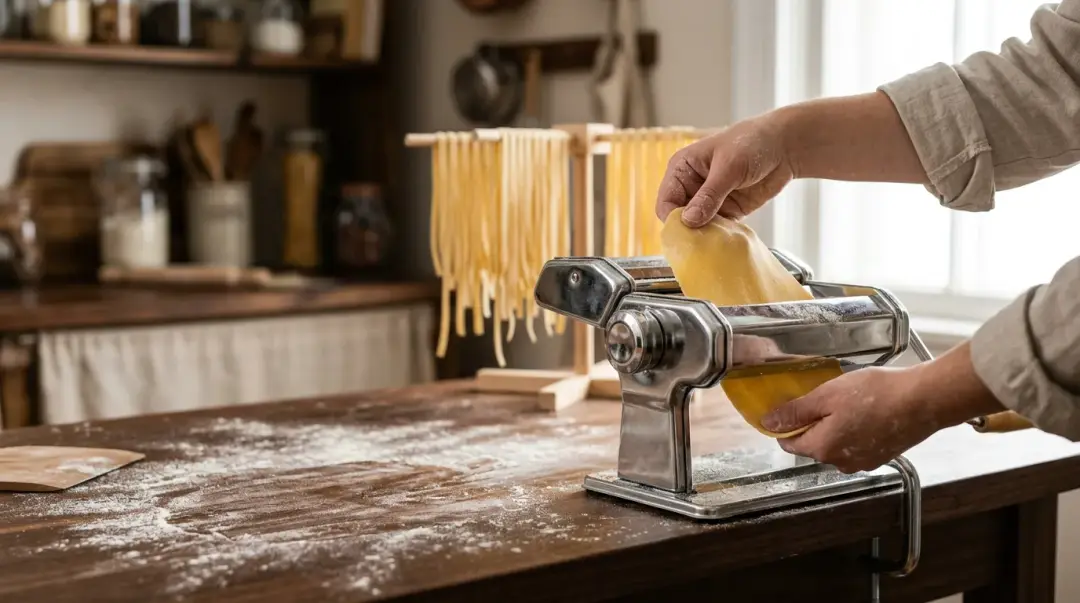
The homemade line is the one that surprises people. Fresh egg pasta is two cheap ingredients and a rolling pin, or a hand-crank roller if you make it more than twice a year. Our best pasta maker picks start with manual rollers that clamp to a counter.
When Frozen Beats Fresh
For some noodles, the freezer case is the better buy. Udon is the clearest case. Supermarket udon comes three ways: dried bundles, vacuum-packed shelf-stable "fresh" pouches, and frozen blocks. Just One Cookbook writes that dried udon "won't give you the chewy bite" and sends readers to the freezer case for Sanuki-style blocks instead. Frozen blocks are sold already boiled, which is why the bag asks for only a minute or so in the pot, and freezing holds the firm, elastic chew Japanese cooks call koshi (KOH-shee). Japanese frozen-food maker TableMark pitches freezing as the best way to keep udon, ahead of dried, chilled or instant.
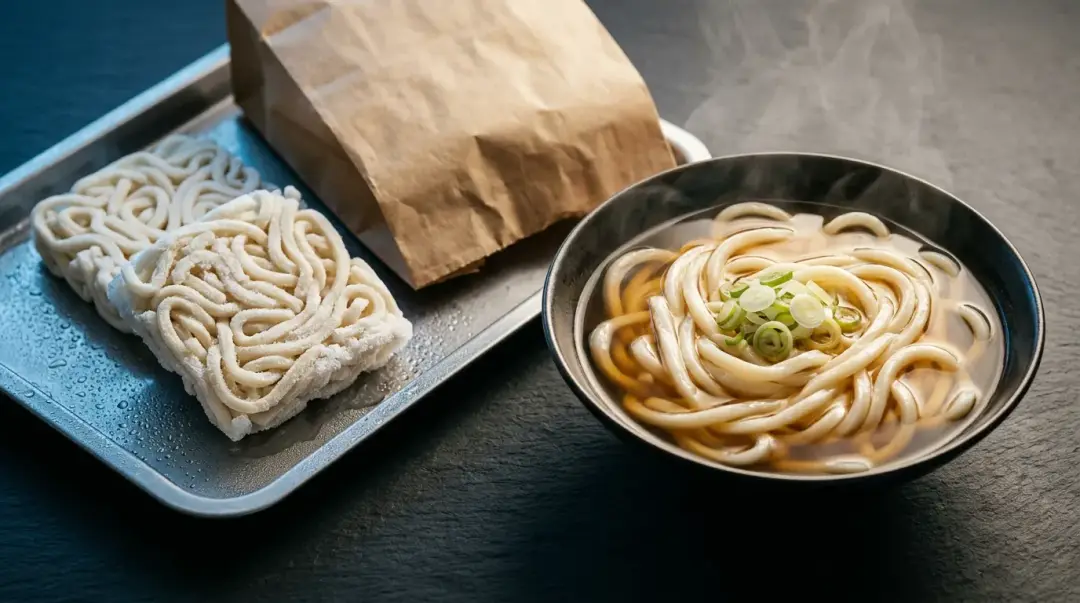
Ramen is closer to a tie. Sun Noodle, sold in more than 700 US stores, says its noodles can be frozen and rates them for up to a year in the freezer, best inside six months. Buy a few packs when you see them and freeze what you won't cook this week.
For pasta, frozen is mainly a storage method. USDA gives fresh pasta about two months in the freezer, and Rana says its fresh pasta can be frozen. A freezer-burned nest of fettuccine past that window eats worse than a box of good dried, so if the choice is old fresh or new dried, take the dried.
For the full rundown of udon formats and brands, see our best udon guide.
The Pantry Plan
Stock the three formats on purpose and you will never stand at the stove waiting 12 minutes for a noodle that should take two.
Keep dried
Two or three shapes of good semolina pasta: one long (spaghetti or linguine), one tube (rigatoni or penne), one ribbon (dried egg fettuccine or pappardelle for weeknights). Add a bundle of dried non-fried ramen and a bundle of soba. All of it keeps for a year or more and covers any olive-oil, tomato, baked or quick-broth dinner. Our best Italian pasta picks cover which boxes are worth the shelf space.
Keep fresh, for this week only
Buy fresh egg pasta or fresh ramen for a specific dinner in the next few days, not as a stockpile. Fresh fettuccine is for the night you're making a butter or cream sauce. Fresh ramen is for the night you've made, or bought, a real broth. Check the use-by date before you put either in the cart.
Keep frozen
A bag of Sanuki-style udon blocks, a couple of packs of fresh ramen you froze on the day you bought them, and, if you make pasta at home, flat-frozen nests of your own fettuccine. Frozen udon alone covers a ten-minute dinner of noodles in hot dashi (Japanese stock), or kamatama (kah-mah-TAH-mah) udon tossed with a raw egg and soy.
FAQ
Are fresh noodles better than dried?
Neither is better across the board. Fresh egg pasta and fresh ramen are softer and silkier and cook in one to three minutes, which suits butter, cream and broth. Dried semolina pasta holds a firmer bite and stands up to oily, chunky and baked sauces. For udon, frozen blocks usually beat both fresh supermarket packs and dried bundles on chew.
What is the difference between fresh and dried pasta?
Water and, usually, egg. Italian law requires packaged fresh pasta to hold at least 24 percent moisture, while dried pasta must come in at 12.5 percent or less. Most fresh pasta is soft wheat flour and egg; most dried pasta is durum wheat semolina and water. That is why fresh cooks in about 2 minutes and dried takes 9 to 12.
How long do fresh noodles last in the fridge?
Go by the use-by date on the package. USDA's FoodKeeper lists fresh pasta at the package date or 1 to 2 days, and about 2 months in the freezer. Sun Noodle says its uncooked foodservice noodles keep up to 14 days refrigerated and up to a year frozen, best within six months. Homemade noodles have no preservation step, so use them quickly.
Can you freeze fresh noodles?
Yes. Freeze them raw in portion-size nests and cook straight from frozen; thawing first makes the strands sticky. Rana says its fresh pasta can be frozen, USDA's FoodKeeper gives fresh pasta about 2 months in the freezer, and Sun Noodle rates its frozen ramen for up to a year, with the best texture inside six months.
Is fresh ramen better than instant or dried ramen?
For texture, usually yes. Fresh ramen such as Sun Noodle cooks in about 90 seconds and has the springy, slippery bite of a ramen-shop noodle because it was never fried or fully dried. Dried non-fried ramen like Hakubaku takes about 4 minutes and comes out a little denser. Most instant ramen is fried, which changes both texture and fat content.
How do you convert dried pasta to fresh in a recipe?
Fresh pasta is heavier because it carries more water, so you need more of it by weight to make the same number of plates. Weigh by the cooked portion you want rather than swapping ounce for ounce, start tasting fresh pasta at one minute, and save a cup of cooking water, since fresh noodles drink sauce faster than dried.
Read Next
Products mentioned in this guide
This section contains affiliate links. We may earn a commission at no extra cost to you.

SUN NOODLE Kaedama Ramen Noodles, 10 oz
The fresh ramen from the kitchen test: about 90 seconds in the pot and a ramen-shop spring. Freeze extra packs the day you buy them.
View on Amazon
Hakubaku Organic Ramen Noodles, 9.5 oz
Dried, non-fried ramen that takes about 4 minutes and keeps for months. Good for light broths and quick weeknight bowls.
View on Amazon
Shirakiku Yude Sanuki Udon Noodles with Soup Base, 22 oz
Pre-boiled frozen udon blocks that loosen in about a minute and keep their koshi, which is why frozen beats dried for udon.
View on Amazon
Marcato Atlas 150 Classic Manual Pasta Maker
A clamp-on hand-crank roller for homemade fresh fettuccine, the cheapest way to fresh egg pasta if you make it more than twice a year.
View on Amazon
KMwares Set of 3 Clear Glass Food Canisters with Airtight Acacia Wood Lids
Dried pasta and ramen keep for a year or more, and an airtight jar keeps moisture and pantry moths out of an opened box. This listing is a set of three clear glass canisters with airtight-seal acacia wood lids.
View on Amazon
Browse more related items
Opens Amazon · affiliate links
Buying guides for this topic
- Buying guideBest Ramen Noodles & Kits in 2026The best fresh and dry ramen noodles, plus premium ramen kits, available on Amazon — Sun Noodle, Hakubaku, Marusan, and Maruchan Seimen ranked.
- Buying guideBest Udon Noodles in 2026The best dry, frozen, and fresh udon noodles available on US Amazon — Hakubaku, Maruchan Seimen, Sanuki, and Inaniwa ranked.
- Buying guideBest Italian Pasta Brands in 2026De Cecco, Rummo, Garofalo, and premium bronze-die pasta brands ranked. The pasta upgrade worth making.
- Buying guideBest Pasta Maker, Extruder and Drying Rack in 2026Pasta makers compared: Marcato and Imperia hand-crank rollers, KitchenAid attachments, electric noodle machines, pasta extruders and drying racks.