How to Make Buldak Less Spicy: 6 Ways That Work
· 7 min read · NoodleDex Editorial
Make Buldak less spicy with dairy, egg, fat, sweetness, starch, less sauce or a milder flavor. Why each works, and what to skip when the heat hits.
This page contains affiliate links. We may earn a commission at no extra cost to you. Disclosure
This page is practical handling. It covers what to add, why it works and what to skip. For the recall and health facts, read our Buldak safety guide. NoodleDex publishes no recipes, so this explains techniques, not quantities.
Why these fixes work
Buldak's heat comes from capsaicin, the compound in chili peppers that triggers pain receptors in your mouth. Capsaicin is lipophilic, meaning it mixes with fats, and the Merck Index lists it as practically insoluble in cold water. That one fact explains most of what follows.
Fat gives capsaicin somewhere else to go. Dairy adds fat and casein (the main milk protein), and researchers have tested milk against other drinks for easing oral burn. In a Penn State study by Nolden, Lenart and Hayes in Physiology & Behavior (2019), seven common beverages were compared for reducing capsaicin burn, and milk did best. Skim milk worked as well as whole milk, which the authors say suggests protein may matter more than fat. They also say the mechanism is still unclear. The popular explanation, casein pulling capsaicin away from receptors, is common in food writing, but treat it as a hypothesis, not a proven fact.
Samyang, the maker, says the same thing in plainer terms. Its US guide to cooling Buldak recommends dairy, egg and mayonnaise. The food site The Takeout covers similar ground. Both are brand and food-media sources, not clinical ones. The core idea holds across them: these additions soften the sensation. The capsaicin is still in the bowl.
1. Dairy: milk and cheese
Dairy is the first thing most people reach for, and the one Samyang leads with. There are two routes, and they work differently.
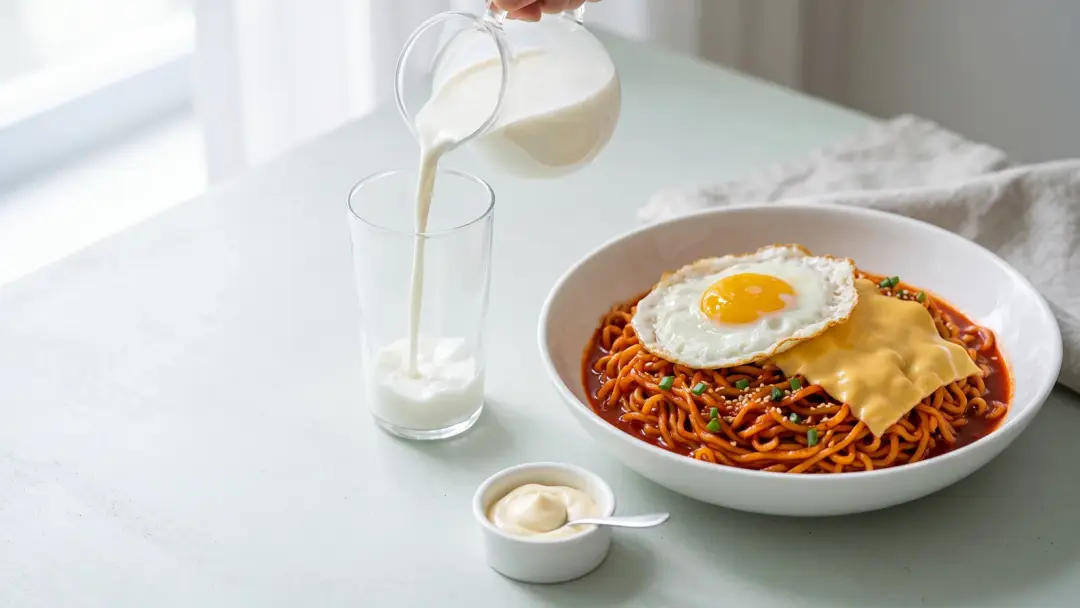
Milk in place of some of the water builds a creamy sauce around the noodles. The fat and casein coat the sauce, and the liquid thins its concentration. Samyang suggests swapping the cooking water for milk, with sharp cheddar and mozzarella on top.
Cheese on top melts into the sauce and adds fat and salt-rich creaminess. Mozzarella gives stretch and mild flavor. Cheddar is sharper and holds its own against the chili. Carbonara, a creamy flavor, sits at the gentle end of the Buldak line on Samyang's own heat guide. Our cheesy and creamy ramen guide covers the cheese-family flavors and how to make any pack creamier.
If cheese is not in the kitchen, a cheese powder gives a similar creamy edge. We found no source that compares it with fresh cheese for heat, so treat it as a flavor add rather than a proven cooler.
2. Egg and a fat such as mayonnaise
An egg brings fat and protein. Samyang suggests stirring a raw egg into the hot noodles over low heat so it cooks into the sauce and turns it silky. A fried or soft-boiled egg on top is a gentler version: you break the yolk into the sauce as you eat. Either way the yolk is the part doing the work, because it carries most of the egg's fat.
Mayonnaise is fat and egg yolk in a ready-made form. Samyang suggests adding it off the heat, because high heat can split it. The sauce turns lighter in color and rounder in flavor. Samyang also suggests peanut butter. Other fats, such as a pat of butter, are sometimes suggested too, though the milk study above hints that protein may matter more than fat, so expect less from fat alone.
3. Sweetness
Sugar does not neutralize capsaicin, but it can change how the mouth reads a sauce. Samyang suggests a pinch of sugar or honey to balance the savory-spicy notes, and calls sweetness a sensory distraction that competes with the spice signal. The Penn State researchers saw something similar: a sweet drink, cherry Kool-Aid, did better than most of the other drinks, and they think it overwhelms the burn with sweetness rather than removing the capsaicin. Treat sweetness as a seasoning adjustment, not a heat control.
Honey, a little sugar, sweet corn and sweetened condensed milk are the usual candidates. Add them in small steps, because it is easy to push Buldak's already sweet-and-savory sauce into cloying.
4. Starch: more to eat, less heat per bite
Starch dilutes the sauce on a per-bite basis. Plain rice, extra plain noodles, a rice cake or potato spreads the same sauce over more food. Samyang names rice cakes and boiled potatoes for this. It will not reduce capsaicin the way fat does, but each mouthful carries less of it.
Plain rice served beside the bowl is also a practical reset between bites. A glass of milk nearby helps for the same reason; it was the best performer in the study above.
5. Use less sauce, but not half
The most direct fix is using less of the sauce packet. Heat comes mostly from that sauce, so less sauce means less heat. The catch is flavor: Samyang warns that cutting the sauce in half loses the Buldak flavor.
The better method is gradual. Drain the noodles, add part of the packet, stir, taste, and add more only if the heat is comfortable. This leaves unused sauce you can save, and you stay in control. It also works with the other fixes here: a partial packet plus an egg is gentler than either alone.
6. Mix with a milder flavor or swap noodles
Blending two Buldak flavors is the most reliable way to keep the Buldak taste while lowering heat. Mix the sauce from a hotter flavor such as Original with part of a milder one such as Carbonara or Cheese, and the creamy sauce softens the red one. Samyang's flavor guide puts Carbonara in its mild tier, Cheese at medium, Original at strong and 2x Spicy at extreme, a ladder you can use for planning blends.
Our Buldak flavors guide explains every flavor and its heat. If you want a full swap rather than a blend, our guide to milder Korean noodles covers brands like Ottogi Jin Ramen Mild. For a heat-ranked view across brands, see the spiciest noodles ranked and the instant noodle Scoville chart. Our best spicy instant noodles page sorts packs by heat tier.
| Fix | What it adds | Best for |
|---|---|---|
| Milk or cheese | Fat and casein | Sauce that is too sharp |
| Egg | Fat and protein | Rounding out the sauce |
| Mayonnaise | Fat and egg yolk | A quick, light fix |
| Sweetness | Sugar | Taking the edge off |
| Rice or plain noodles | Starch | Lowering heat per bite |
| Less sauce, added gradually | Control | Heat you can adjust as you go |
| Milder flavor mixed in | Cream and cheese | Keeping Buldak flavor with less heat |
What not to do
Do not rely on water. In the Penn State study every drink tested, plain water included, eased the burn somewhat, but milk did best. Capsaicin is practically insoluble in cold water, so water does little to carry it away.
Do not use alcohol as a rescue. Capsaicin dissolves in alcohol, but one of the Penn State researchers said an alcoholic beer would have done worse than the non-alcoholic one they tested, because ethanol amplifies the burn. Alcohol is also unwelcome for children and anyone avoiding it.
Do not trust viral "hack" pages. Many scraped listicles claim capsaicin is alkaline or that a pinch of baking soda neutralizes it. We found no food-science source behind those claims, and we do not use those pages as sources. If a tip is not backed by a brand or food-science source, treat it as folklore.
Do not mistake dulling for safe. These fixes change how hot the bowl feels, not how much capsaicin is in it. If you have reflux, a sensitive stomach or another condition, ask a doctor. Our Buldak safety guide covers what regulators have said.
For the whole brand, see the Buldak brand page. To check which stores stock the milder flavors, see spicy instant noodles at US supermarkets.
FAQ
What do you add to Buldak to make it less spicy?
Add something fatty or creamy: milk stirred in with the sauce, cheese melted on top, an egg, or a spoon of mayonnaise. Samyang's own guide suggests dairy, egg and mayo. They dull the heat you feel, they do not remove it.
Does milk help with spicy ramen?
Yes, usually. A 2019 Penn State study of common drinks found milk did best at easing the burn of capsaicin, the compound that makes chili hot. Skim worked as well as whole, so protein may matter more than fat, though the mechanism is still unclear. Milk is a dampener, not an off switch.
Which Buldak is the least spicy?
Samyang's US flavor guide names Swicy as its mildest, puts Carbonara in the next tier, Cheese at medium and Original at strong. Jjajang (black bean) has the lowest published Scoville figure in the family. Our Buldak flavors guide lists every flavor with a heat figure where one exists.
Is it okay to use half the sauce packet?
It works for heat, but Samyang warns that using less sauce also cuts flavor. A better route is adding the sauce a little at a time and stopping when the heat suits you.
Should I eat Buldak if I have a sensitive stomach?
That is a question for a doctor, and this page gives no medical advice. Our Buldak safety guide lists what regulators have said and which groups the Danish agency flagged.
Products mentioned in this guide
This section contains affiliate links. We may earn a commission at no extra cost to you.

Samyang Buldak Carbonara Hot Chicken Flavor Ramen
The creamy, milder end of the Buldak line. Cook it alone, or use it as the gentle half when you mix flavors.
View on Amazon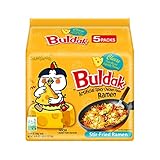
Samyang Buldak Cheese Hot Chicken Stir-Fried Noodles, 5-pack
A cheese-seasoned Buldak that sits near Carbonara on the heat ladder. A second mild flavor to blend with Original.
View on Amazon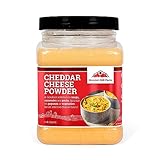
Hoosier Hill Farm Cheddar Cheese Powder
A generic dehydrated cheddar powder for readers who want a dairy element without fresh cheese. The listing does not mention ramen, so treat it as a pantry item.
View on Amazon